English
한국어
English
Español
中文
हिंदी
Home
News
Community
Dictionary
English
한국어
English
Español
中文
हिंदी
View list
Almond Amygdalus
Prunus amygdalus
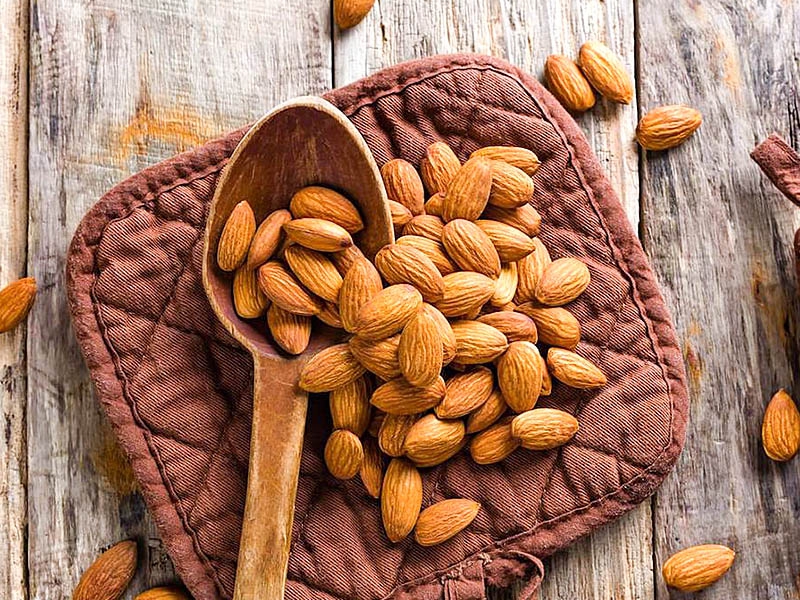
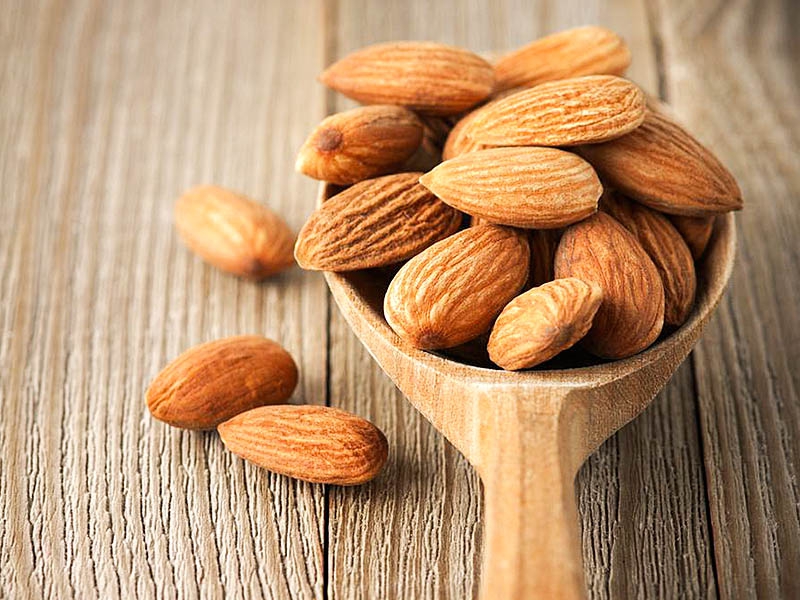
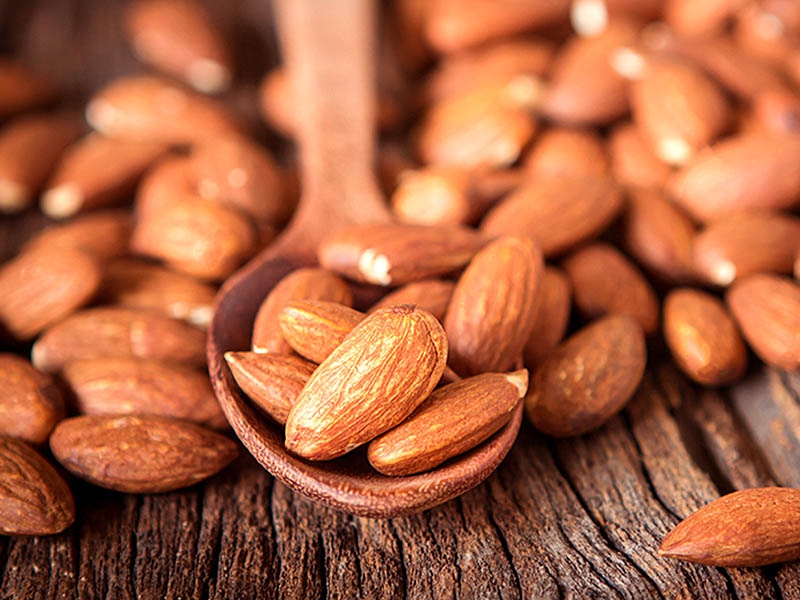
Prunus amygdalus is known as a tree that thrives primarily in warm climates. The following is a summary of the growth characteristics, propagation methods, cultivation methods, garden uses, and major pests and diseases, as well as control methods. Growth Characteristics - Climate: Almonds prefer warm and dry climates. Since they require some cold in winter to form flower buds, regions with mild winters are suitable. - Soil: They grow well in well-drained, slightly acidic to neutral soils. While they tolerate poor soil relatively well, they show better growth in fertile soil. - Sunlight: Since they require plenty of sunlight to grow well, they should be planted in locations that provide at least 6 hours of sunlight per day. Propagation Methods - Seed Propagation: Almonds can be propagated from seeds, but it is difficult to maintain the desired varietal characteristics due to the occurrence of genetic mutations. - Grafting: Grafting is a widely used propagation method to maintain the desired varietal characteristics. Grafting is primarily performed in the spring and autumn. Cultivation Methods - Planting: Although it varies by variety, trees are generally planted at intervals of 5 to 7 meters. This provides the necessary space for the trees as they grow. - Watering: Regular watering is important during the early growth stages, and adequate water supply is crucial during the fruit formation period. - Fertilization: Providing compound fertilizers containing nitrogen, phosphorus, and potassium can promote healthy growth. Fertilizing annually in the spring or early autumn is effective. Garden Uses - Almond trees are also excellent ornamental trees. They bloom beautifully, especially in the spring, adding a decorative element to the garden. - Due to their large size, they are suitable for medium to large gardens and create a good combination when interplanted with other plants. Major Pests and Control Methods - Diseases: Diseases such as brown spot and gray mold may occur. To control these diseases, it is important to use appropriate pesticides and improve ventilation to reduce moisture. - Pests: Pests that can affect almonds include aphids and moths. It is important to observe the trees regularly and use appropriate pesticides if pests are detected. When growing almonds, it is important to select cultivation methods suited to the local climate and environment. Additionally, you can maintain healthy trees through regular care and pest control.
Plant Type
Plant Family
Rosaceae
Height
3~8m
Spread
3~4.5m
Colors
pink
Bloom Period
March to April
Water Needs
commonly
Exposure
Sunny
Freezing Resistance
-15°C
Mountain honeysuckle
Prunella vulgaris
King cherry tree
Prunus × yedoensis