English
한국어
English
Español
中文
हिंदी
Home
News
Community
Dictionary
English
한국어
English
Español
中文
हिंदी
View list
Siberian apricot
Prunus sibirica
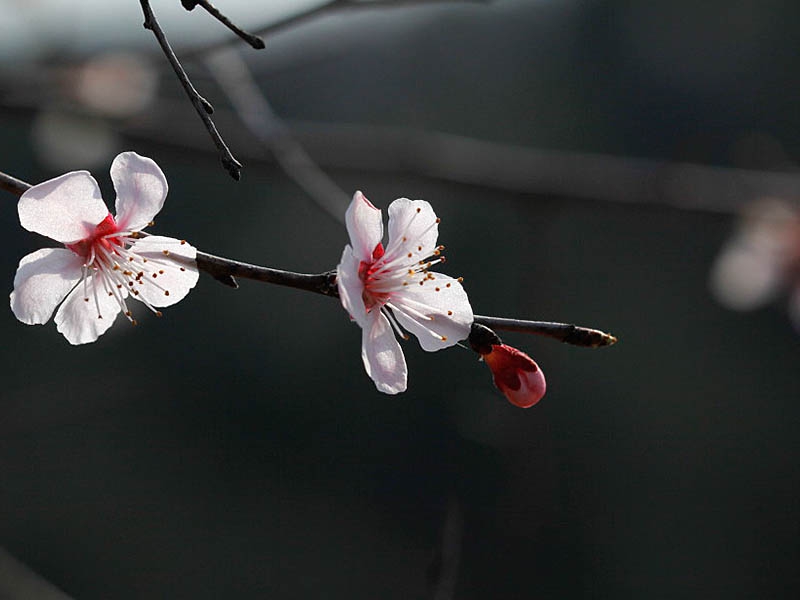
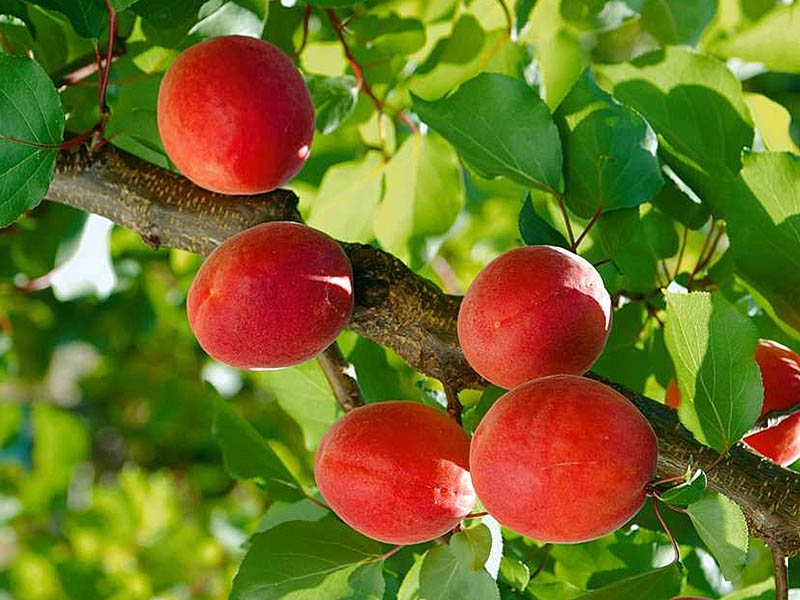
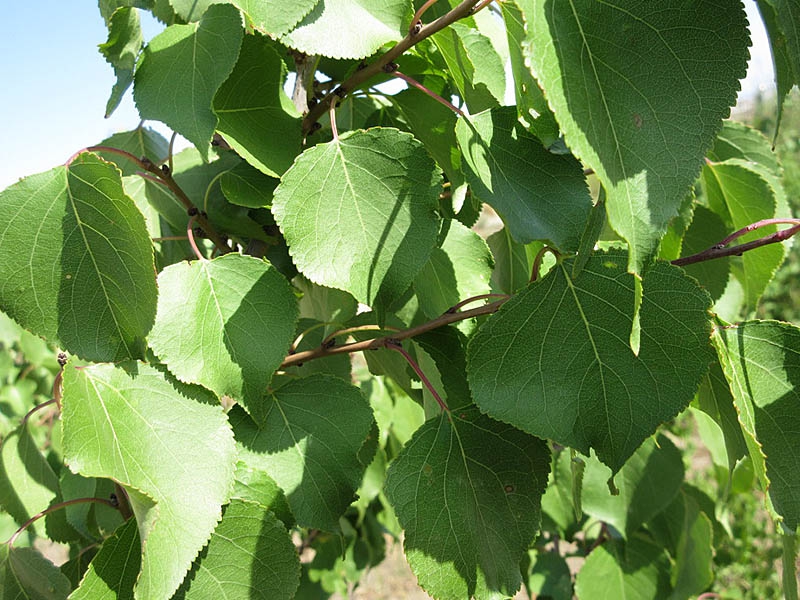
The Siberian Apricot (Prunus sibirica) is a plant native to regions such as Russia, China, and Mongolia, characterized by its resistance to cold. Primarily used as an ornamental tree, it possesses the following growth characteristics and cultivation methods: Growth Characteristics - Climate: It thrives even in cold climates and can withstand sub-zero temperatures. - Soil: It prefers well-drained soil, with slightly acidic to neutral soil being suitable. - Light Conditions: As a plant that loves sunlight, it grows well in sunny locations. Propagation Methods - Seeds: Propagation is possible via seeds, and germination is promoted after passing through a cold winter. - Grafting: It can also be propagated through transplanting and grafting, which are typically performed in spring or autumn. Cultivation Methods - Planting: When planting seedlings, dig a wide hole to allow the roots to spread sufficiently. - Care: Avoid overwatering, but manage the plant in a balanced manner to prevent it from drying out. - Pruning: Pruning should be performed in late winter or early spring to shape the tree and improve ventilation. Uses in the Garden - Siberian apricots produce beautiful flowers and fruit, making them excellent ornamental trees for garden planting. They can also be used as boundary trees. Important Pests and Diseases & Control Methods - Diseases: Mold may develop on leaves or branches. To prevent this, ensure good ventilation and use fungicides if necessary. - Pests: Pests such as aphids may occur. Natural or chemical insecticides can be used to control them. Additionally, if pest infestations are severe, installing insect netting is a good solution. Siberian apricots are cold-hardy and beautiful, making them an attractive plant that can be cultivated in various environments. Care is required to ensure they grow healthily through proper management and pest control methods.
Plant Type
Plant Family
Rosaceae
Height
2~5m
Spread
Colors
white, pink
Bloom Period
April~May
Water Needs
commonly
Exposure
Sunny
Freezing Resistance
-40°C
cherry tree
Prunus tomentosa
cherry
Prunus serrulata var. spontanea