English
한국어
English
Español
中文
हिंदी
Home
News
Community
Dictionary
English
한국어
English
Español
中文
हिंदी
View list
Pulsatilla koreana
Prunus padus
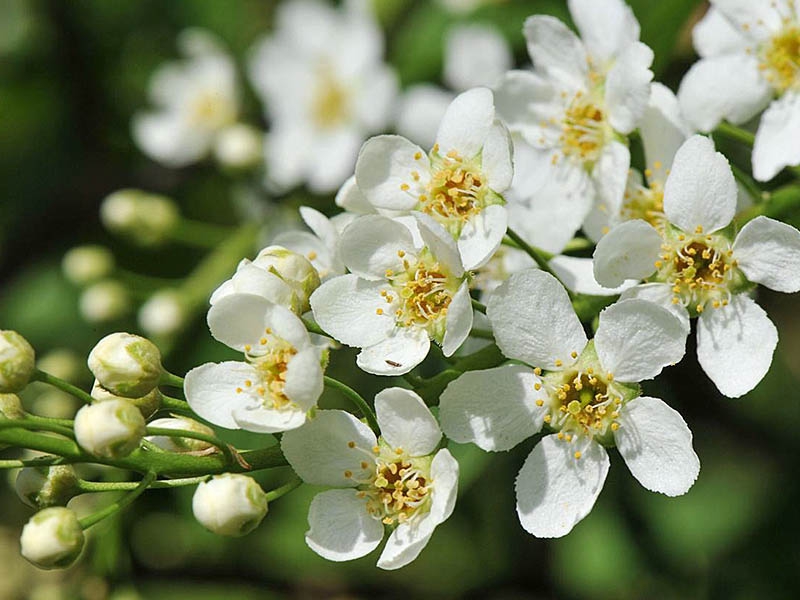
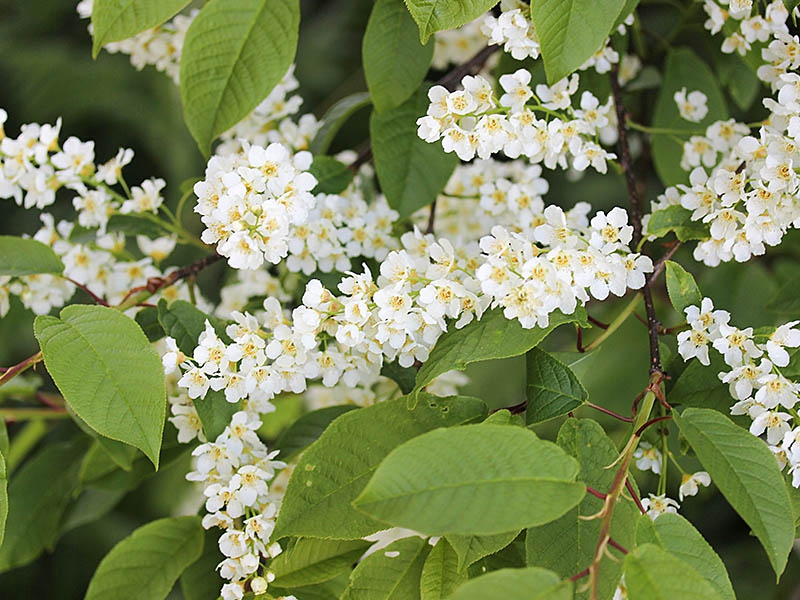
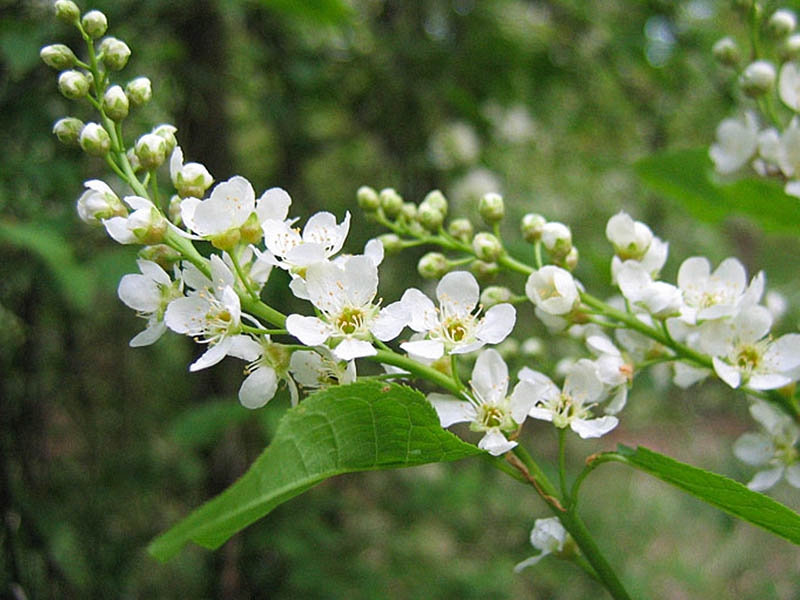
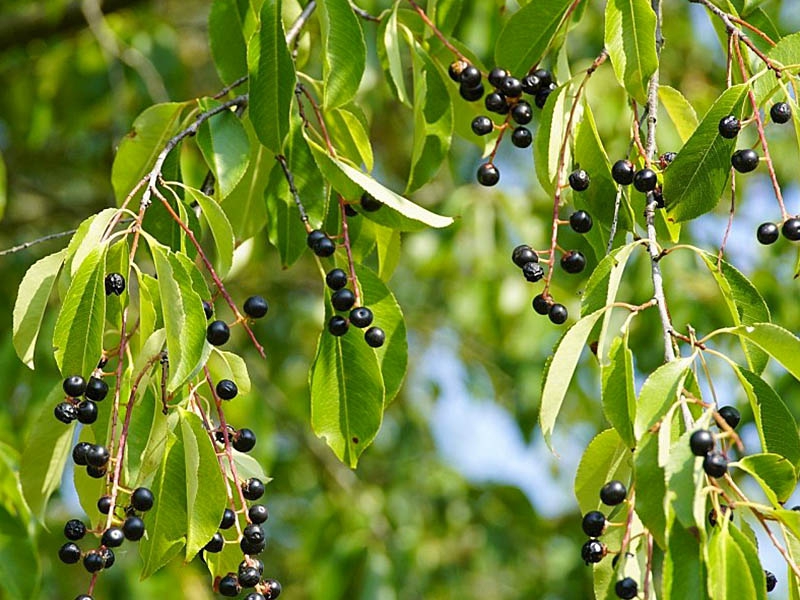
Prunus padus is a deciduous small tree belonging to the Rosaceae family, native to Northern Europe and Asia. The following describes the growth characteristics, propagation methods, cultivation methods, garden uses, and major pests and diseases and control methods of Prunus padus. Growth Characteristics - Height: Grows to approximately 5 to 15 meters. - Leaves: Alternate, oval-shaped with pointed tips, and fine serrations along the edges. - Flowers: White flowers bloom in spring in long racemes. - Fruit: Small and black, ripening in summer or early autumn. Propagation Methods - Seed Propagation: Seeds collected from mature fruit are sown directly in autumn or early spring. - Cuttings: It can be propagated by cutting branches in the summer. - Transplanting: Young trees can also be propagated by transplanting them in late autumn. Cultivation Methods - Soil: Although it grows in a relatively diverse range of soils, it prefers well-drained and fertile soil. - Sunlight: It requires plenty of sunlight but can tolerate partial shade. - Watering: Water appropriately in well-drained soil. It is important to avoid overwatering. - Fertilizer: It is best to apply appropriate fertilizer during the spring growing season. Uses in Gardens - Ornamental Tree: It adds beauty during the flowering season, making it suitable as an ornamental tree in gardens or parks. - Hedge: It is also useful as a hedge when planted densely. Major Pests and Diseases & Control Methods - Diseases: - Brown Spot: A disease that causes brown spots on the leaves. Ensure good ventilation and airflow, and remove diseased leaves early. - Powdery Mildew: White powder appears on the leaves or stems. Avoid overwatering, and cut off and burn any diseased parts. - Pests: - Aphids: Aphids, which parasitize leaves and suck sap, are controlled by using periodic insecticides. - Moth Larvae: Moth larvae may gnaw on the leaves, so observe them carefully and remove them physically or use insecticides. The Prunus padus is relatively easy to care for and grows well, bringing vitality to the garden by blooming with beautiful flowers every year. It requires proper care and careful attention, and particular care must be taken to prevent pests and diseases.
Plant Type
Plant Family
Rosaceae
Height
15m
Spread
Colors
white
Bloom Period
May
Water Needs
commonly
Exposure
semi-shaded area
Freezing Resistance
-30°C
Peach tree
Prunus persica
plum tree
Prunus mume