English
한국어
English
Español
中文
हिंदी
Home
News
Community
Dictionary
English
한국어
English
Español
中文
हिंदी
View list
wild cherry tree
Prunus maximowiczii
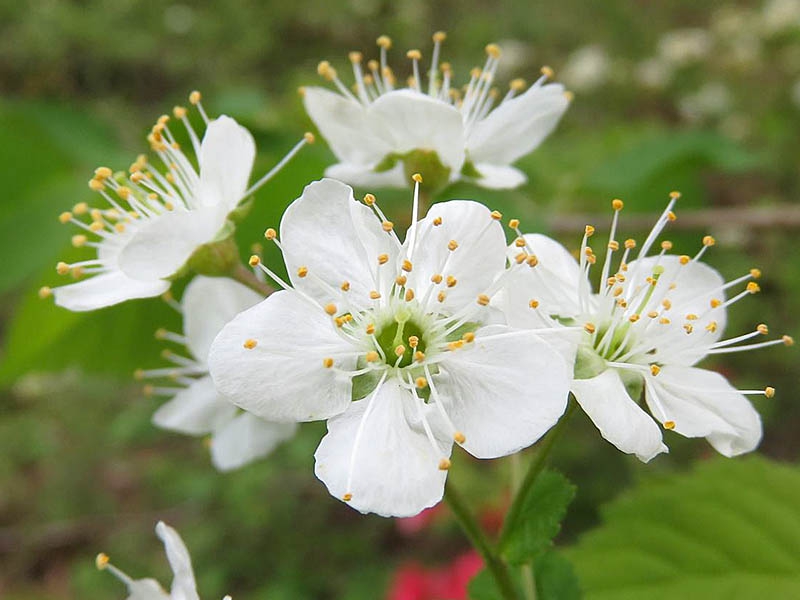
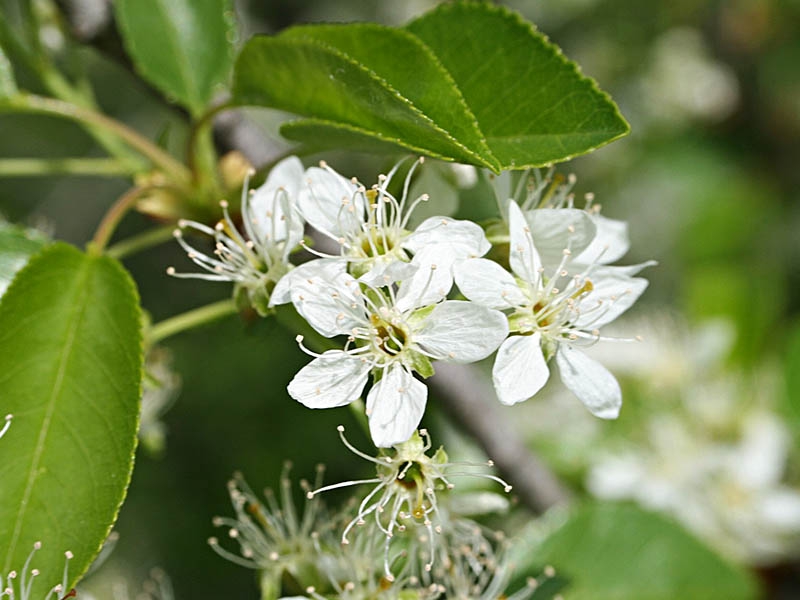
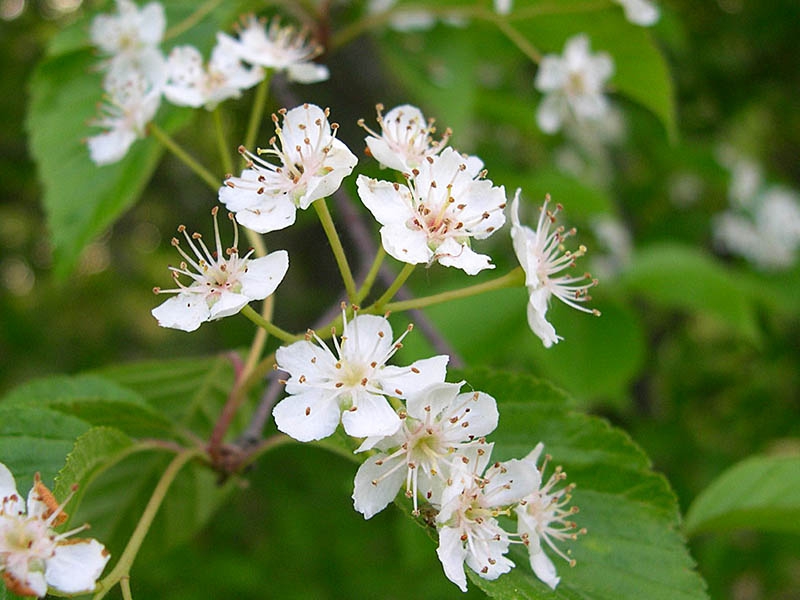
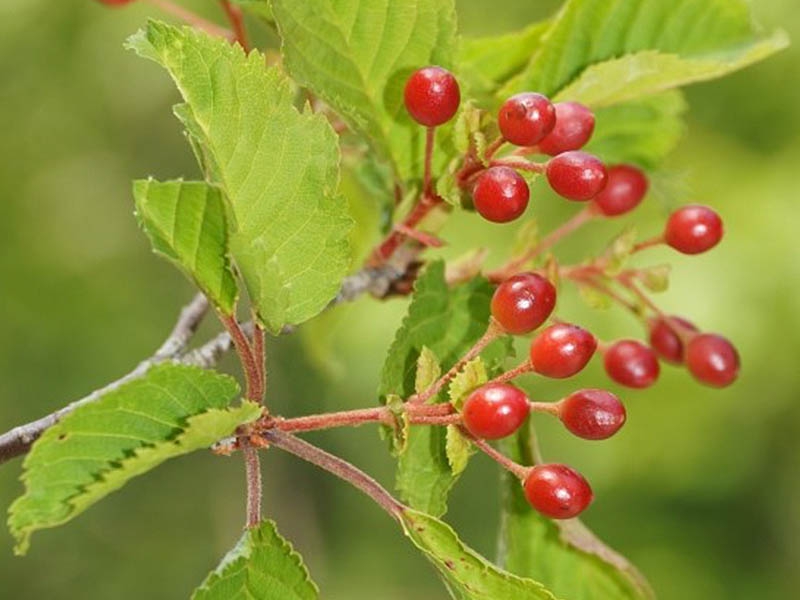
Prunus maximowiczii, a deciduous tree belonging to the Rosaceae family, is native primarily to Korea, northern China, and Japan. The following describes the tree's growth characteristics, propagation methods, cultivation practices, garden uses, major pests and diseases, and control methods. Growth Characteristics - Environmental Conditions: Prunus maximowiczii thrives in well-drained soil and sunny locations. While it can grow in partial shade, it grows healthier with more sunlight. - Size: Mature trees typically grow to a height of 6–9 meters. Flowers bloom around April or May, and the fruit ripens in the autumn. - Cold Hardiness: It tolerates cold regions well and possesses strong cold tolerance. Propagation Methods - Seed Propagation: It can be propagated by sowing seeds. Seeds are collected in the autumn, sown in the spring after overwintering. - Cuttings: A relatively easy method; propagate by division using branch cuttings in spring or early summer. Cultivation Methods - Planting: It is best to plant in well-drained, fertile soil. When planting, ensure the roots spread out sufficiently, and water thoroughly after planting. - Watering: Water sufficiently during the early growing season, but mature trees are relatively drought-tolerant and do not require much additional water. - Fertilizer: Applying appropriate fertilizer in the spring can promote growth. Uses in GardensThe Korean cherry tree is widely used as a landscaping tree due to its beautiful showy spring flowers and autumn foliage. It is suitable for improving the landscape in various locations such as gardens, parks, and schools. Important Pests and Control Methods - Diseases: Fungal diseases may occur. To prevent this, plant in a well-ventilated area and ensure good drainage. - Pests: Aphids and moths may appear; if they occur, respond immediately using pesticides. - Control Methods: During the winter, it is important to improve ventilation by pruning to remove dense branches, and to conduct regular inspections to quickly detect diseases and pests in their early stages. Since the Korean cherry tree provides beautiful scenery and is relatively easy to care for, it can be effectively utilized in various environments.
Plant Type
Plant Family
Rosaceae
Height
15m
Spread
Colors
white
Bloom Period
April~May
Water Needs
commonly
Exposure
Sunny
Freezing Resistance
-30°C
plum tree
Prunus mume
hairy cherry tree
Prunus serrulata var. pubescens