English
한국어
English
Español
中文
हिंदी
Home
News
Community
Dictionary
English
한국어
English
Español
中文
हिंदी
View list
hairy cherry tree
Prunus serrulata
var.
pubescens
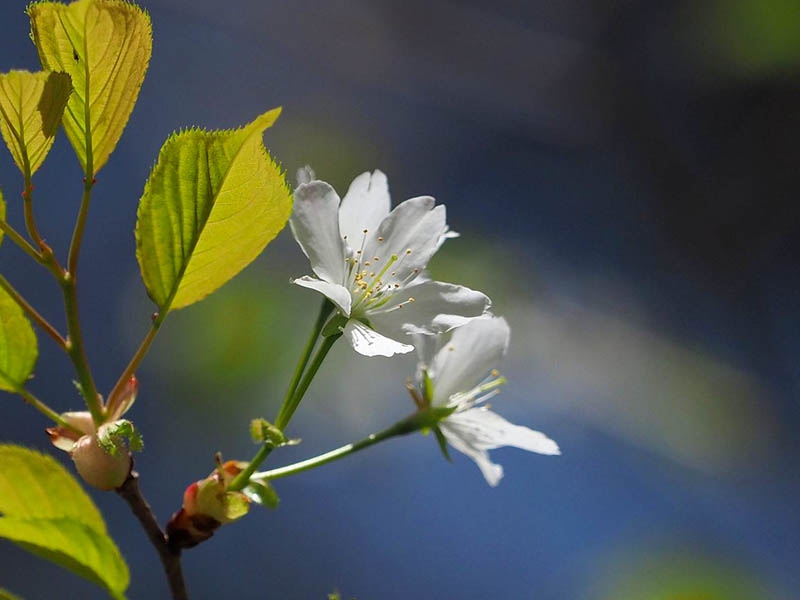
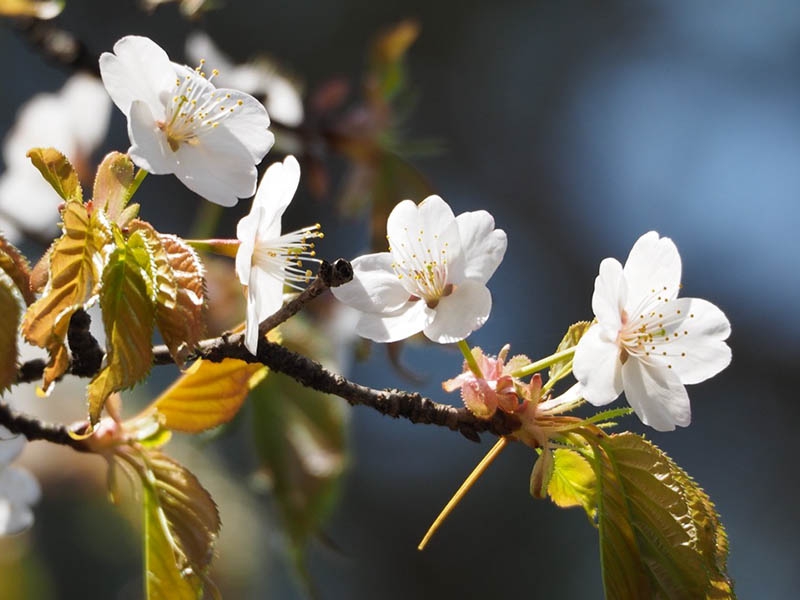
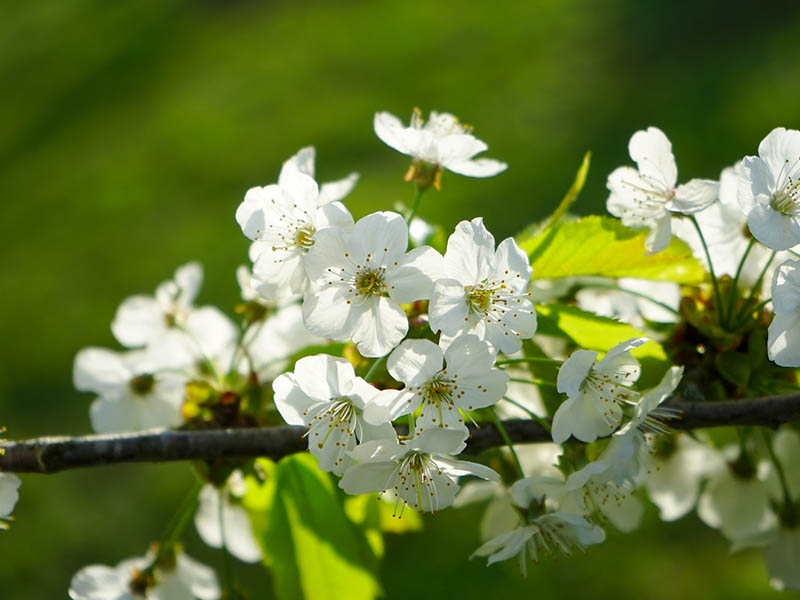
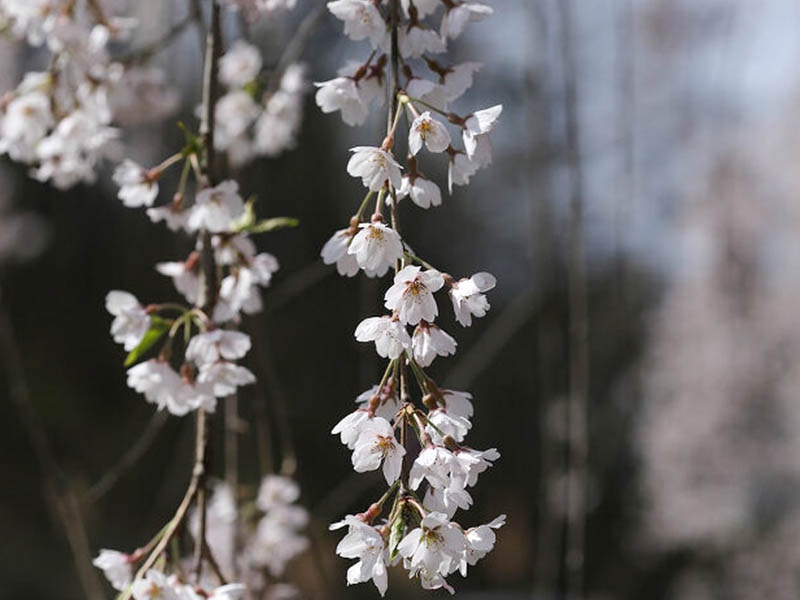
I will explain the growth characteristics, propagation methods, cultivation methods, garden uses, and major pests and diseases and control methods of the Japanese pubescens. Growth Characteristics The Japanese pubescens (Prunus serrulata var. pubescens) is a deciduous broad-leaved tree that grows primarily in temperate regions and is characterized by its beautiful flowers blooming in the spring. It prefers fertile soil that is slightly moist and thrives in sunny locations. The tree can grow to a height of approximately 10 to 15 meters, and its leaves have a serrated shape. Propagation MethodsThe Japanese pubescens is primarily propagated by seeds. Seeds can be collected from mature fruits in the autumn and planted immediately, or dried and stored for germination the following spring. It can also be propagated through cuttings or grafting. Cultivation Methods The Japanese pubescens thrives in well-ventilated and well-drained soil. It requires regular watering, and sufficient moisture must be supplied, especially during dry periods. Fertilization is primarily applied in spring and autumn, and it is recommended to apply nitrogen fertilizer before flowering to promote growth. Uses in GardensPrunus serrulata is widely used as a garden tree due to its beautiful flowers and tree form. Its showy spring blossoms breathe life into gardens, and it is frequently planted as a street tree or in parks. Furthermore, it contributes to enhancing the aesthetic value of the garden by creating a landscape that harmonizes with other plants. Important Pests and Diseases and Control MethodsPrunus serrulata can be susceptible to diseases such as leaf blight and bacterial black spot, as well as pests like aphids and moths. Leaf blight and bacterial black spot can be controlled by periodically pruning branches to improve ventilation and using fungicides. Pests can be managed using eco-friendly methods in the early stages of infestation, or by using registered pesticides in severe cases. Regular maintenance and preventive measures are crucial. This concludes the information provided on Prunus serrulata. Before planting in a garden, it is important to provide an appropriate environment by carefully considering the local climate and soil conditions.
Plant Type
Plant Family
Rosaceae
Height
15~20m
Spread
Colors
white, red
Bloom Period
april
Water Needs
commonly
Exposure
Sunny
Freezing Resistance
-25°C
wild cherry tree
Prunus maximowiczii
Israji
Prunus japonica var. nakaii