English
한국어
English
Español
中文
हिंदी
Home
News
Community
Dictionary
English
한국어
English
Español
中文
हिंदी
View list
Viola Labradorica
Viola labradorica
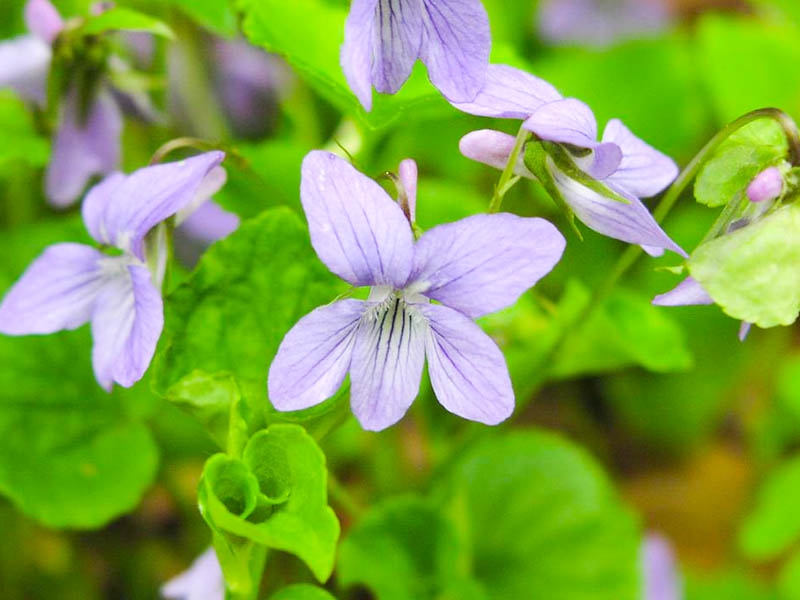
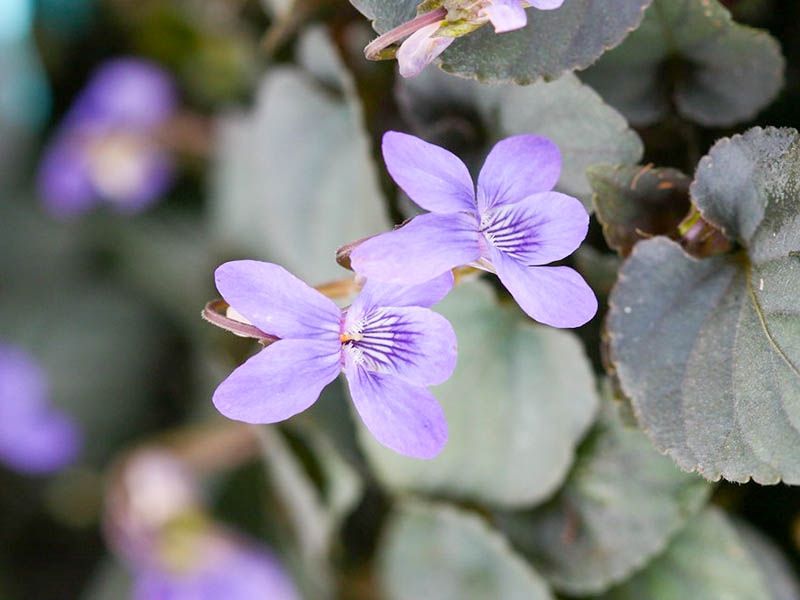
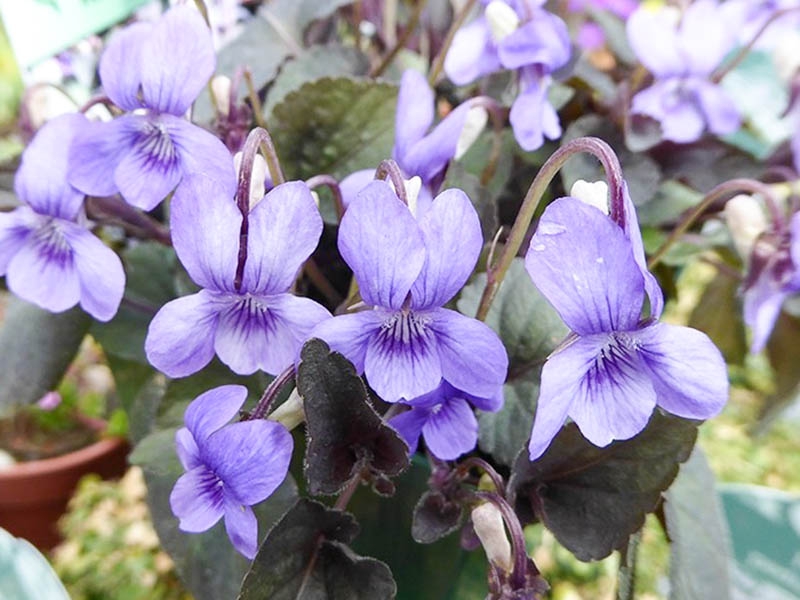
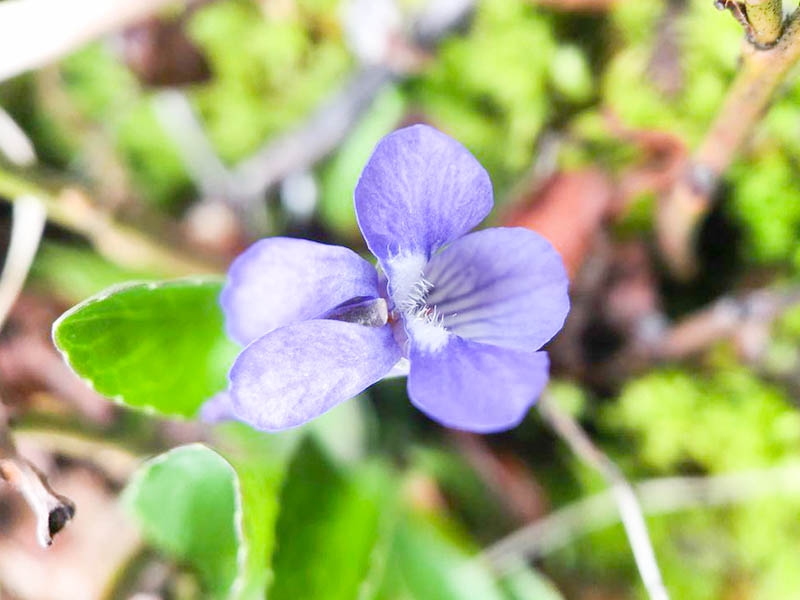
Growth Characteristics of Viola Labradorica Viola Labradorica is a perennial plant with small purple flowers. It prefers cool, humid environments and thrives in partial shade or partial sun. The leaves are round or broadly oval, pale green in color, and have a slight sheen. Propagation Methods Viola Labradorica is primarily propagated by seeds or division. Seeds can be sown in spring or autumn and germinate within 2 to 3 weeks. For division, root clumps are separated and planted in spring or autumn. Cultivation Methods Viola Labradorica grows well in well-drained soil and thrives even more in soil rich in organic matter. It requires regular watering, and care must be taken to prevent dryness, especially during the summer. Fertilizer should be applied in appropriate amounts in spring and autumn, but excessive fertilization should be avoided. Use in the Garden Viola labradorica is primarily used as ground cover due to its beautiful flowers and foliage. It also thrives on stone walls, sloped gardens, and shady flowerbeds, blending in with surrounding plants to create a natural look. Important Pests and Control Methods Viola labradorica is generally resistant to pests and diseases, but fungal diseases can occur if the soil is overwatered or ventilation is poor. To prevent this, avoid overwatering and maintain proper spacing between plants to ensure good ventilation. Aphids may occur as pests and can be controlled using natural predators or soapy water. It is important to observe the plants regularly to detect early signs and take prompt action.
Plant Type
Plant Family
Violet family
Height
7~15cm
Spread
7~15cm
Colors
purple
Bloom Period
April to June
Water Needs
commonly
Exposure
Sunny
Freezing Resistance
-30°C
Viola Langsdorff
Viola langsdorffii
Viola canadensis
Viola canadensis