English
한국어
English
Español
中文
हिंदी
Home
News
Community
Dictionary
English
한국어
English
Español
中文
हिंदी
View list
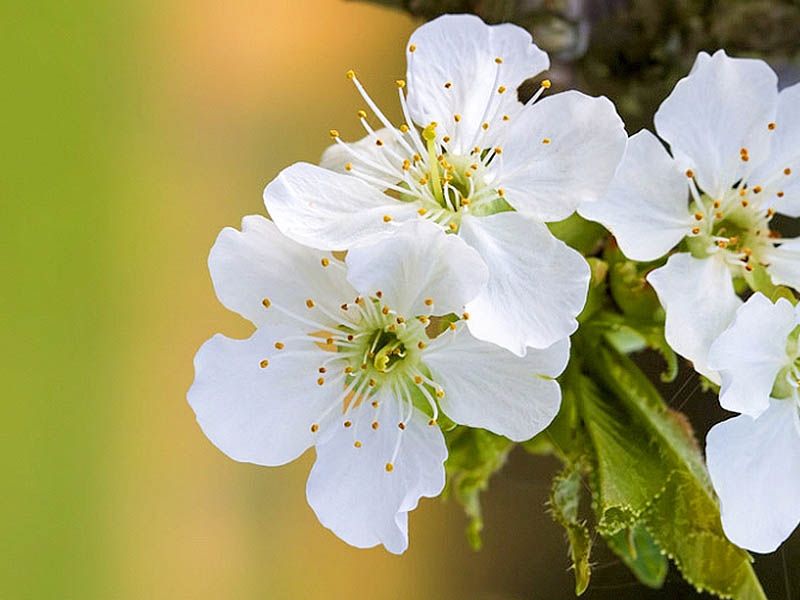
Western cherry tree
Prunus avium
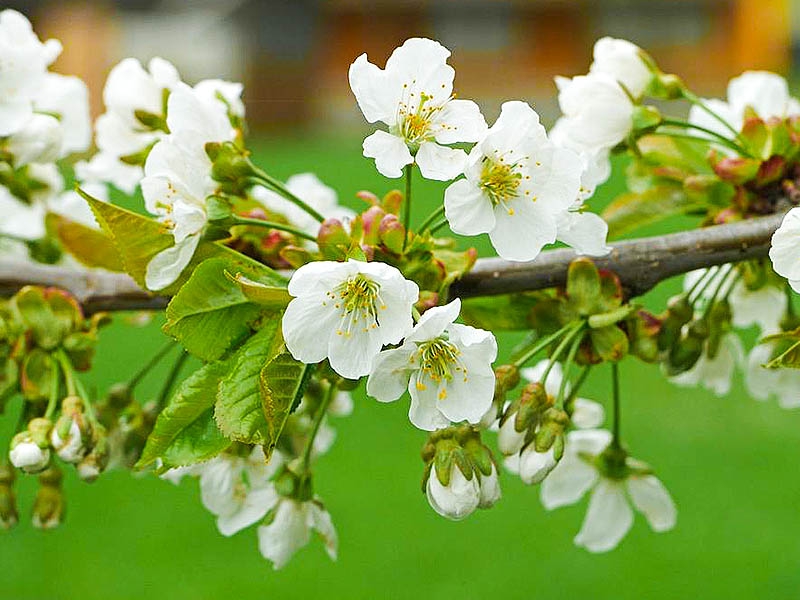
Prunus avium, commonly known as the wild cherry tree, possesses the following growth characteristics and management methods. Growth Characteristics: - Environment: The sweet cherry tree thrives in temperate climates. It prefers sunny locations and thrives in fertile, well-drained soil. - Growth: This tree grows rapidly, and mature trees can reach heights of 15 to 30 meters. Its leaves are broad and oval-shaped, and it produces white flowers in the spring. It bears red cherry fruit in the autumn. Propagation Methods: - Seeds: It can be propagated by seeds, but germination is slow and management is difficult because it must withstand a cold winter. - Grafting: Propagation is generally performed using grafting or cuttings. Grafting allows for the maintenance of superior varieties. - Cuttings: It can be propagated using cuttings taken during the summer. Cultivation Method: - Planting: Ensure sufficient space before planting and adjust the planting spacing considering the tree's growth. - Maintenance: Regular watering and fertilization are necessary. In particular, sufficient water and nutrients must be supplied during the growing season. Uses in Gardens: - Sweet cherry trees are popular as ornamental plants in gardens. The beautiful flowers that bloom in spring and the fruit that ripens in autumn enhance the aesthetic value of the garden. - Since they grow into large trees, they can provide cool shade, making them ideal for creating resting spaces. Major Pests and Diseases and Control Methods: - Diseases: Representative diseases include red spot disease and fire blight. Prevent diseases through regular pruning and management to ensure good ventilation. - Pests: Aphids and moths are major pests. These can generally be controlled using chemical insecticides, or through environmentally friendly methods utilizing natural enemies. - Control: Regularly inspect the condition of the tree as a preventive measure and respond quickly if pests or diseases occur. In particular, pest control measures are intensified before and after flowering. The Japanese quince (Prunus avium) is a tree that can provide beauty and abundant fruit in the garden through proper care and pest control.
Plant Type
Plant Family
Rosaceae
Height
10m
Spread
Colors
white
Bloom Period
May
Water Needs
commonly
Exposure
Sunny
Freezing Resistance
-30°C
Island cherry tree
Prunus buergeriana
Damson plum
Prunus domestica subsp. insititia