English
한국어
English
Español
中文
हिंदी
Home
News
Community
Dictionary
English
한국어
English
Español
中文
हिंदी
View list
Damson plum
Prunus domestica
subsp.
insititia
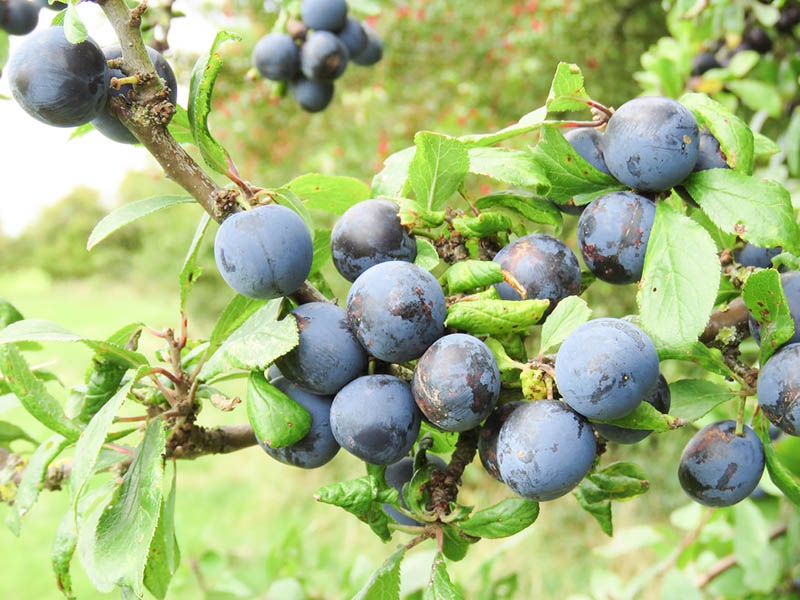
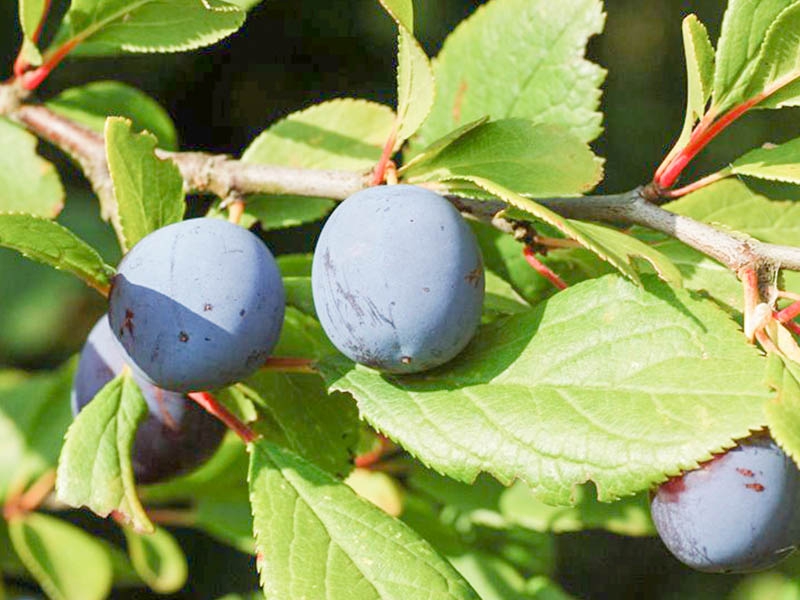
The Damseon plum (Prunus domestica subsp. insititia) is known as a medium-sized deciduous fruit tree. This tree thrives in temperate climates and grows healthiest in sunny locations. The following is information regarding the growth characteristics, propagation methods, cultivation methods, garden uses, and major pests and diseases and control methods of the Damseon plum tree. - Growth Characteristics: - It grows to a height of 3 to 6 meters, and its leaves are alternate and ovate in shape. - White or light pink flowers bloom in spring, and small, round fruits resembling plums ripen from summer to autumn. - It has high soil adaptability but prefers well-drained soil. - Propagation Methods: - Generally, it can be propagated by seeds, grafting, or layering. - Since seeds require a cold winter to germinate well, it is recommended to plant them in the autumn and wait for natural frost damage. - Grafting is the same Layering is performed using scions, while layering is a method of gently bending a tree branch and burying it in the ground. - Cultivation Methods: - It is important to plant in a location with plenty of sunlight and good ventilation. - It thrives in well-drained soil and requires regular watering and a small amount of fertilizer for the first few years after planting. - Pruning should be done in winter to shape the tree and ensure good ventilation. - Uses in the Garden: - It adds a natural touch to home gardens and has high decorative value due to its spring flowers and autumn fruit. - In addition to being used for ornamental purposes, the ripened fruit can be made into jam or jelly. - Major Pests and Diseases and Control Methods: - Major pests and diseases include the leaf roller moth, peach aphid, and brown spot disease. - For control, it is recommended to detect pests early through regular observation and use appropriate pesticides when necessary. - For environmentally friendly methods, using natural enemies or parasitic insects for control is also worth considering. In addition, the occurrence of pests and diseases can be reduced through pruning and tree shape management. The Japanese quince is a relatively easy tree to care for, and with the right location and method, it can bring both beauty and utility to the garden.
Plant Type
Plant Family
Rosaceae
Height
3.6~4.5m
Spread
3.6~4.5m
Colors
white
Bloom Period
April to August
Water Needs
commonly
Exposure
Sunny
Freezing Resistance
-30°C
Western cherry tree
Prunus avium
Holly cherry tree
Prunus ilicifolia