English
한국어
English
Español
中文
हिंदी
Home
News
Community
Dictionary
English
한국어
English
Español
中文
हिंदी
View list
Holly cherry tree
Prunus ilicifolia
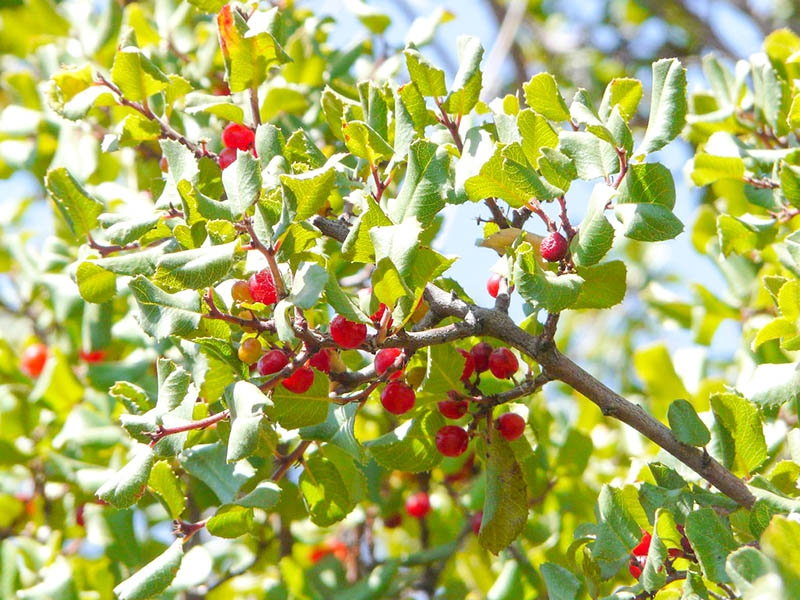
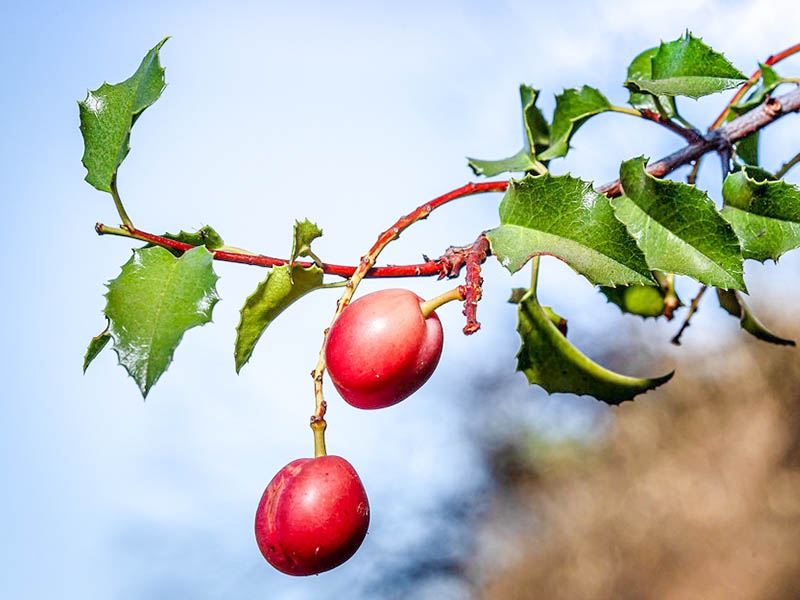
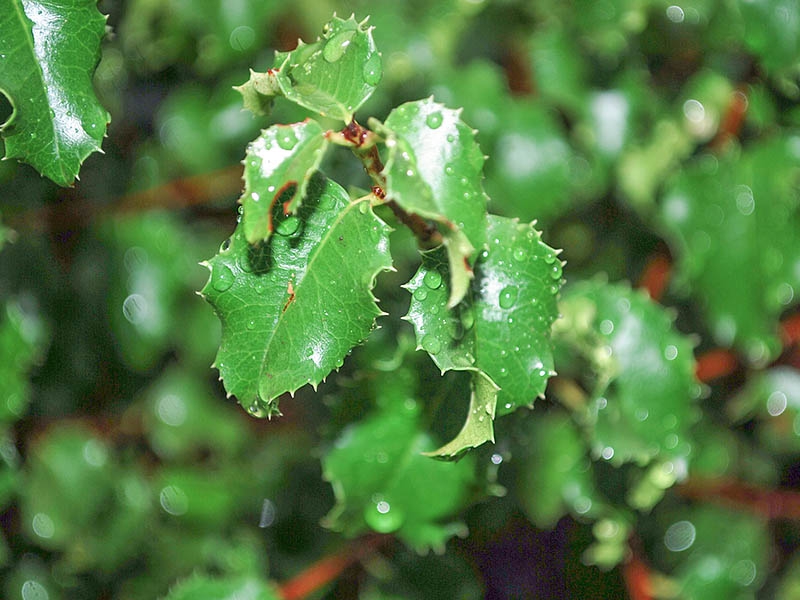
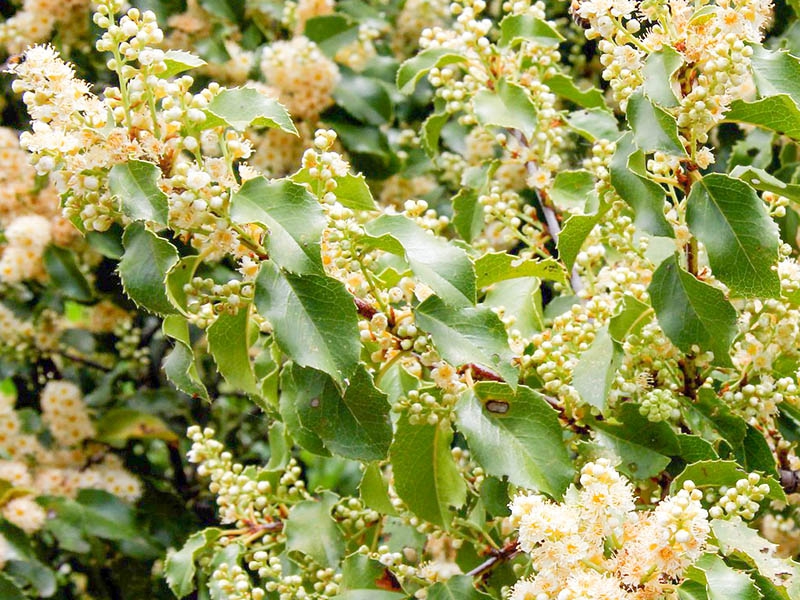
Prunus ilicifolia, commonly known as the Hollyleaf Cherry, is an evergreen shrub or small tree native to California and Mexico. The following describes the plant's key growth characteristics, propagation methods, cultivation practices, garden uses, and major pests and diseases and their control methods. Growth Characteristics - Ecological Characteristics: It thrives in dry, sunny environments and prefers well-drained soil over fertile soil. - Shape and Size: Upon maturity, it can grow into a shrub-like form reaching 2 to 10 meters in height and possesses dense, abundant green foliage. - Flowers and Fruit: It blooms with small white flowers between May and July, followed by the production of small, cherry-shaped fruits that ripen from red to black. Propagation Methods - Seed Propagation: In its natural state, it primarily propagates via seeds. It is recommended to cool the seeds for a certain period before planting to increase germination rates. - Cuttings: Branch cuttings are possible, but the success rate may be lower than that of seed propagation. Cultivation Method - Location: It is best to plant in a sunny location, but it can grow to some extent in partial shade. - Soil: It prefers slightly acidic to neutral soil and grows best in well-drained soil. - Watering: Consistent watering is necessary during the initial establishment phase, but it thrives even in dry conditions once it has adapted. Uses in the Garden - Landscaping: It is used as a hedge or windbreak, and is effective for providing shade or blocking wind. - Ecological Value: It has a positive impact on the ecosystem by providing fruit and habitat to local wildlife. Major Pests and Control Methods - Pests: Prunus ilikifolia is relatively resistant to pests and diseases, but tapeworms or aphids may rarely occur. - Control Methods: Environmentally friendly methods include removing pests by hand or using natural predators. Appropriate insecticides may also be used if necessary. - Diseases: Fungal diseases may occur due to excessive moisture or inadequate drainage. - Prevention and Management: Fungal diseases can be prevented by maintaining healthy ventilation and drainage. Fungicides may be used if necessary. By taking these characteristics into account and utilizing the Prunus ilikifolia effectively, it is possible to create a beautiful and sustainable garden.
Plant Type
Plant Family
Rosaceae
Height
3~9m
Spread
3~7.5m
Colors
white
Bloom Period
March to August
Water Needs
commonly
Exposure
Sunny
Freezing Resistance
-10°C
Damson plum
Prunus domestica subsp. insititia
Carolina pagoda tree
Prunus caroliniana