English
한국어
English
Español
中文
हिंदी
Home
News
Community
Dictionary
English
한국어
English
Español
中文
हिंदी
View list
Tibetan cherry tree
Prunus serrula
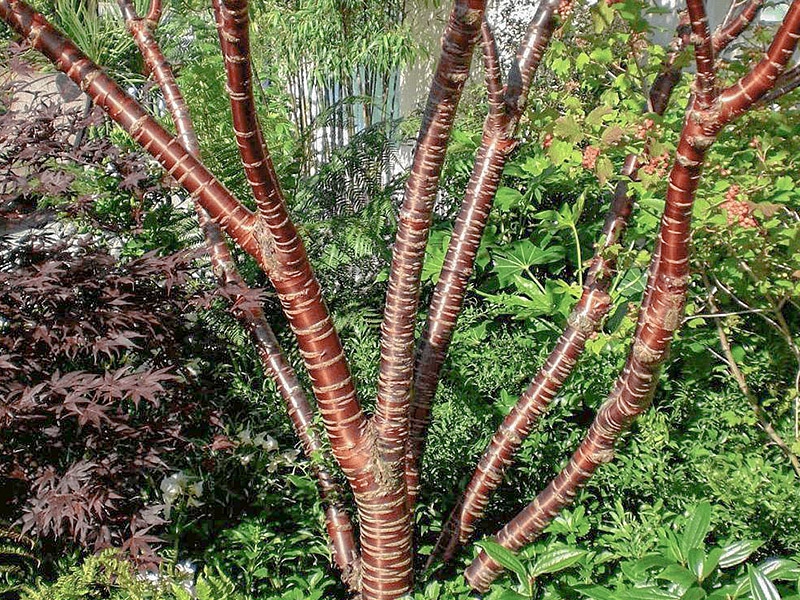
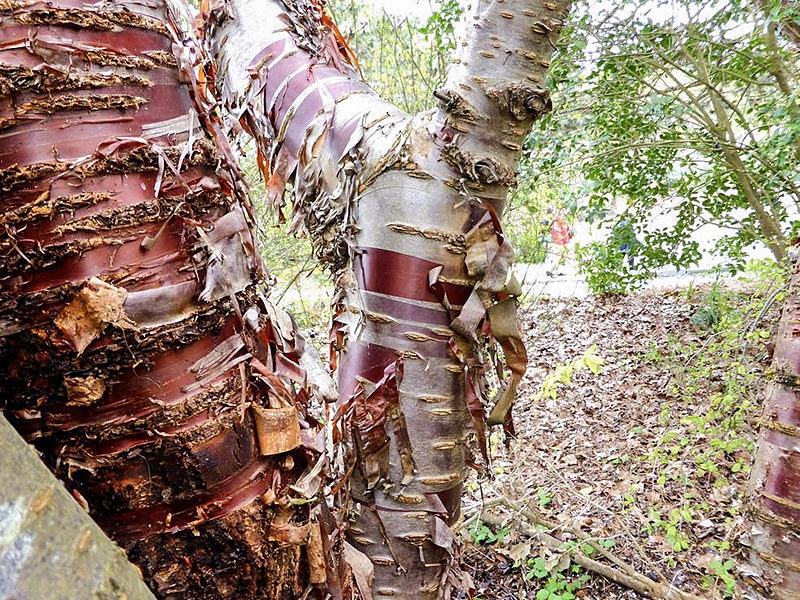
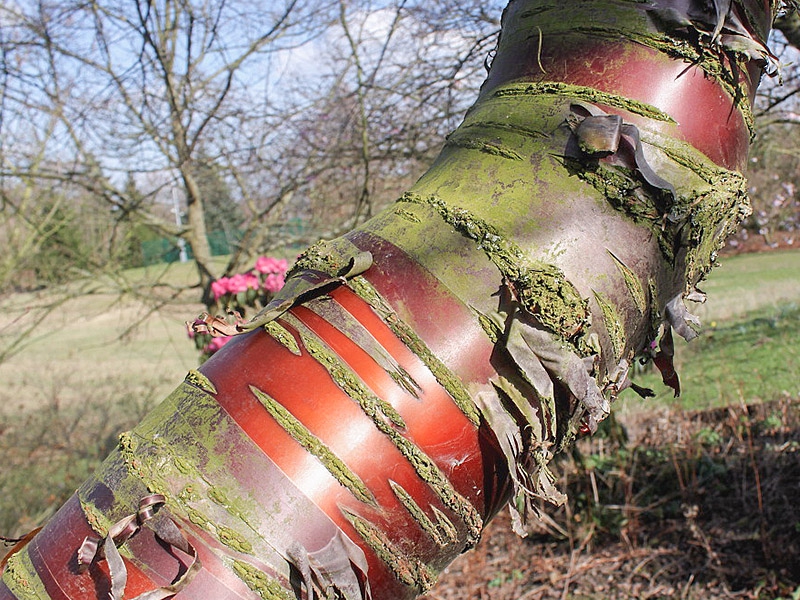
Characteristics and Cultivation Information of Prunus serrula #Growth Characteristics Prunus serrula is primarily a medium-sized deciduous broad-leaved tree that can grow to a height of approximately 8 to 12 meters. This tree is characterized by its smooth, reddish-brown bark, which maintains its ornamental value even during the winter. Flowers bloom mainly in the spring, producing small white or pale pink blossoms. Small green fruits develop during the summer, but they are generally not suitable for consumption. #Propagation Methods Prunus serrula is mainly propagated by seeds, grafting, or cuttings. Seed propagation takes a long time and may result in low germination rates. Therefore, propagation via grafting is generally common. Grafting helps the tree grow healthier and faster by combining it with another tree of the same genus. #Cultivation Methods Prunus serrula thrives in well-drained soil and prefers sunny locations. It is important to create nutrient-rich soil by mixing in sufficient compost before planting. After planting, proper watering is necessary, and extra care must be taken, especially during dry seasons. During the winter, it is recommended to protect the roots with thick mulch. #Uses in the Garden The Cerula cherry tree is highly popular as a garden tree due to its distinctively beautiful bark and spring flowers. In particular, planting it alone or in small groups can maximize its landscape effect. It also harmonizes well with other trees and adds a natural atmosphere to the garden. #Important Pests and Control Methods The Cerula cherry tree can be susceptible to pests such as leaf blight, the Cerula serrata moth, and aphids. - Leaf Blight: If the disease occurs, remove the affected leaves and control it using an appropriate fungicide. - Cerula serrata moth: Since the moth larvae feed on the leaves, it is important to spray pesticides early if damage is detected. - Aphids: They can be removed using soapy water or specialized insecticides. Utilizing natural predators such as ladybugs is also a good method. Regular observation and quick response are effective in preventing pests and diseases.
Plant Type
Plant Family
Rosaceae
Height
6~9m
Spread
6~9m
Colors
pink
Bloom Period
March to August
Water Needs
commonly
Exposure
Sunny
Freezing Resistance
-30°C
Cherry tree 'Okame'
Prunus × incam 'Okame'
wild cherry tree
Prunus sargentii