English
한국어
English
Español
中文
हिंदी
Home
News
Community
Dictionary
English
한국어
English
Español
中文
हिंदी
View list
wild cherry tree
Prunus sargentii
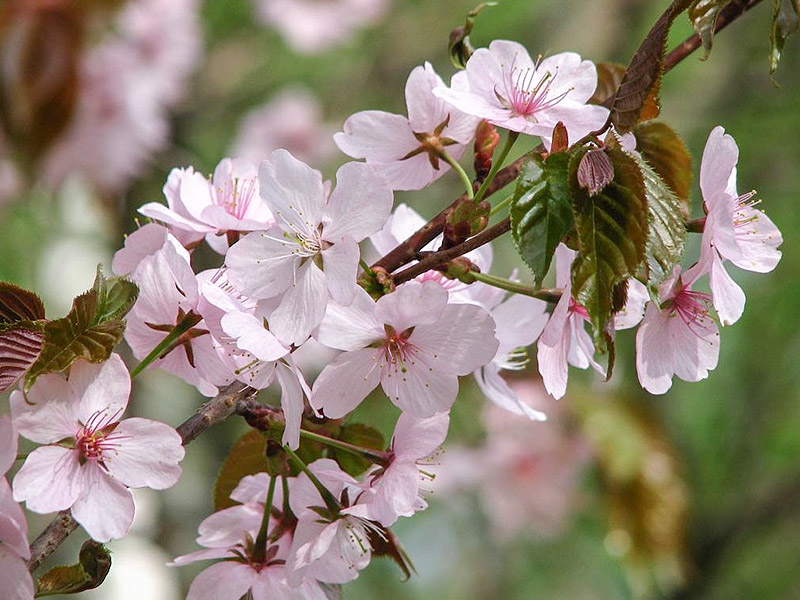
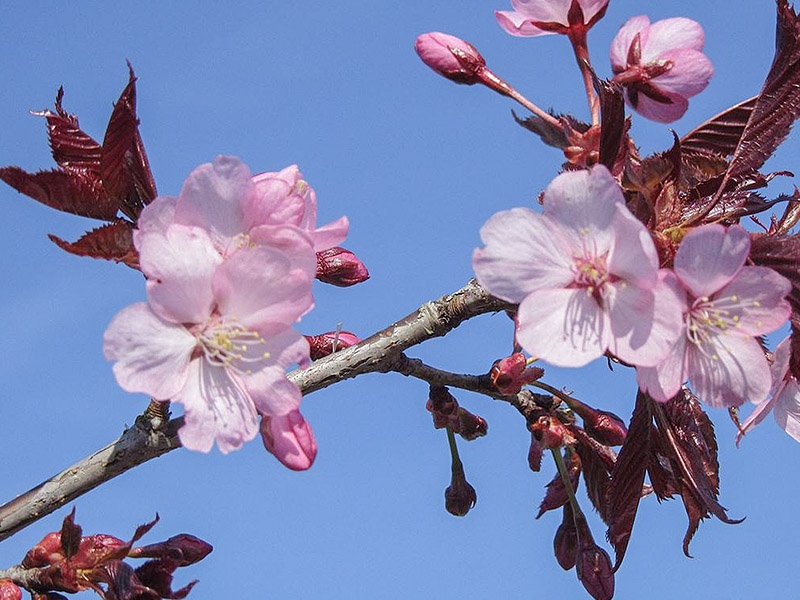
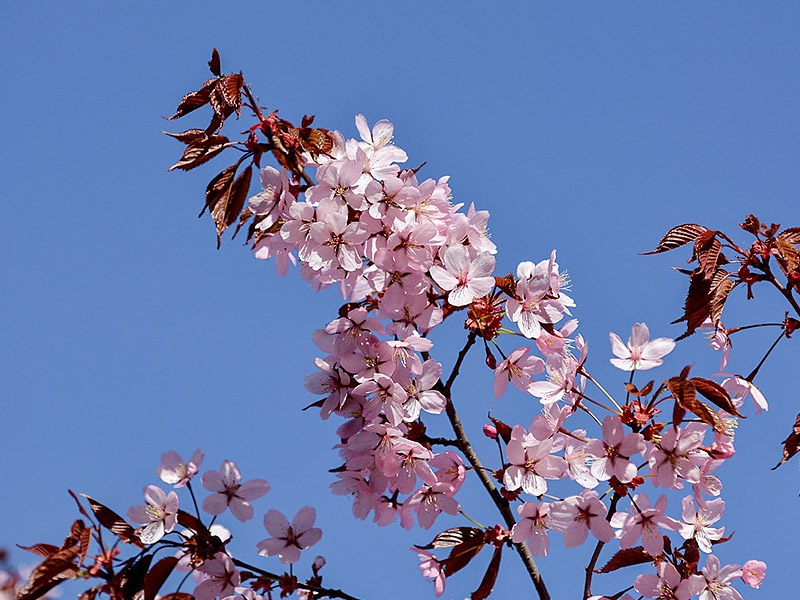
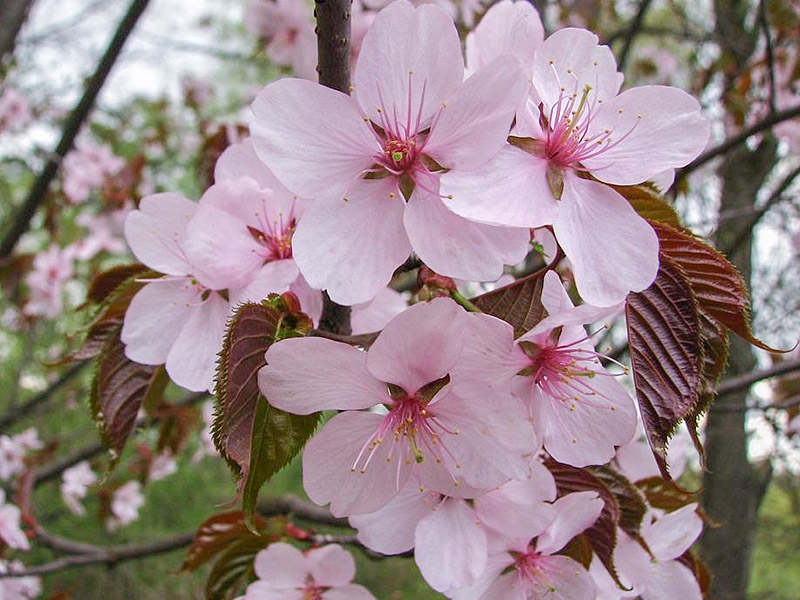
The growth characteristics, propagation methods, cultivation methods, garden uses, major pests and diseases, and control methods for Prunus sargentii are as follows: Growth Characteristics: Prunus sargentii is a deciduous tree that thrives in temperate climates, typically growing up to 6 to 10 meters tall. It primarily grows in sunny locations such as mountainous areas and foothills, preferring well-drained soil. It is attractive for its pink flowers that bloom profusely in the spring and its leaves that turn red in the autumn. Propagation Methods: Prunus sargentii is primarily propagated by seeds or grafting. Due to the low germination rate of seeds, mature fruits are generally collected in the autumn, hulled, and either planted immediately or stored for a period before sowing in early spring. Grafting involves grafting onto seedlings or immature trees. Cultivation Methods: Prunus sargentii is a plant that requires adequate sunlight and ventilation, so avoid planting them too densely. Before planting, a sufficient amount of organic fertilizer should be mixed into the soil, and it is recommended to provide additional fertilizer in early spring. Watering should be regulated appropriately to prevent overwatering, and excessive drought should be avoided. Uses in Gardens: Wild cherry trees are used as ornamental trees due to their beautiful flowers and autumn foliage. They are widely planted in parks, gardens, and for street landscaping, and are used as part of cherry blossom festivals in the spring. Important Pests and Control Methods: Wild cherry trees can be susceptible to various pests and diseases. Common problems include leaf blight, bacterial spot, and aphids. Diseased parts should be removed immediately, and professional fungicides or insecticides should be used if necessary. Additionally, it is important to clean the area around the tree to prevent the proliferation of pests. Through these comprehensive management methods, you can cultivate healthy wild cherry trees.
Plant Type
Plant Family
Rosaceae
Height
6~9m
Spread
6~9m
Colors
pink
Bloom Period
March to August
Water Needs
commonly
Exposure
Sunny
Freezing Resistance
-30°C
Tibetan cherry tree
Prunus serrula
Early cherry tree 'Rosea'
Prunus pendula f. ascendens 'Rosea'