English
한국어
English
Español
中文
हिंदी
Home
News
Community
Dictionary
English
한국어
English
Español
中文
हिंदी
View list
Apricot tree 'Tilton'
Prunus armeniac
'Tilton'
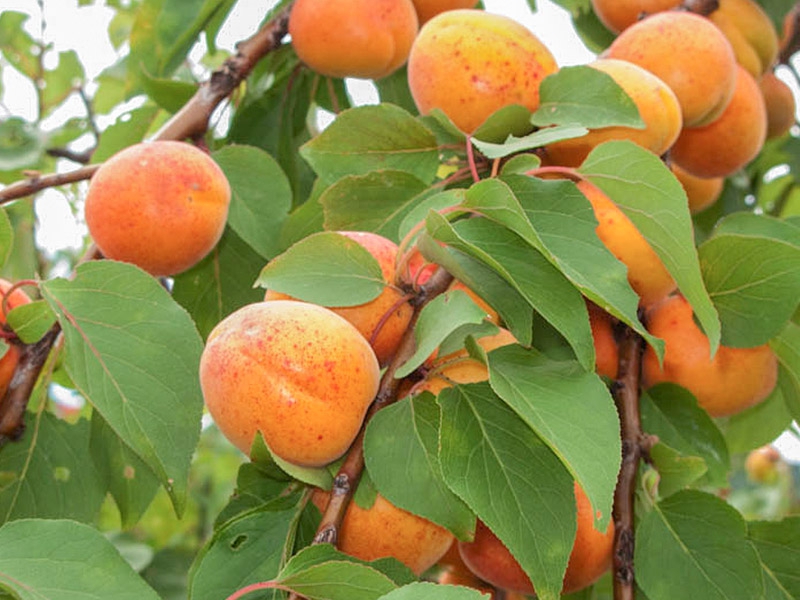
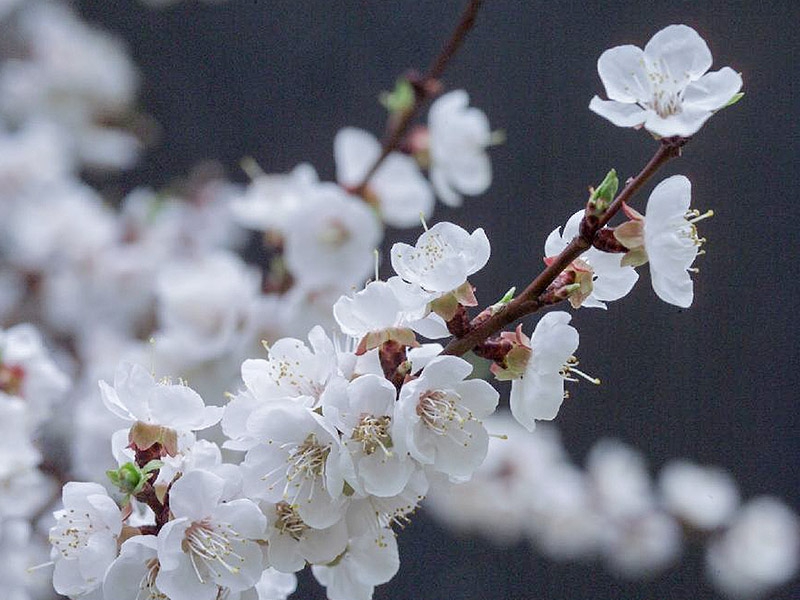
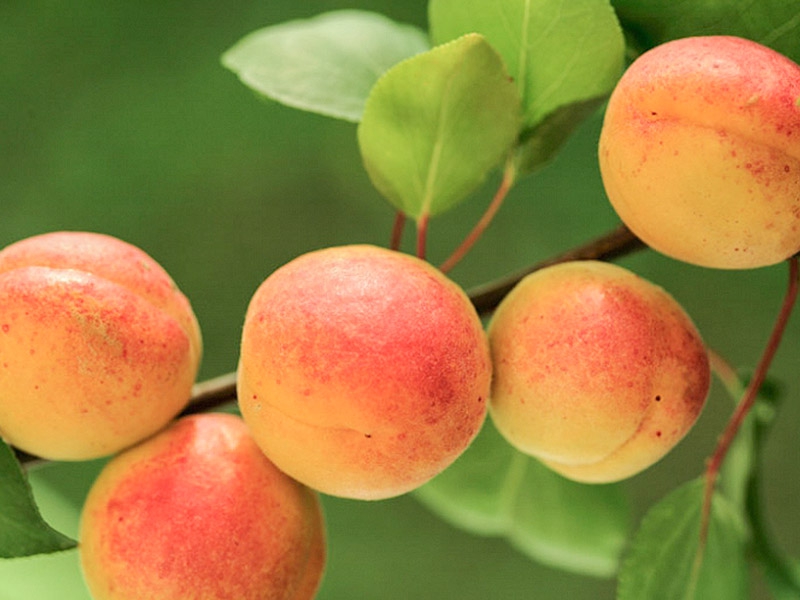
Growth Characteristics of the 'Tilton' Apricot Tree Tilton is a variety of apricot tree that is relatively resistant to cold and thrives in various climatic conditions. It is vigorous and can grow up to 3 to 4 meters tall. This tree produces medium to large-sized fruit, with flesh that is intensely sweet and rich in juice. Flowers bloom in March and April; while self-pollination is possible, the fruit set rate is higher when grown alongside other varieties. Propagation Methods Tilton apricot trees are primarily propagated by grafting. Peach or wild pear trees can be used as rootstocks, and grafting is best performed during the winter. Seed propagation is also possible, but it is difficult to maintain desired characteristics due to the potential for genetic mutation. Cultivation Methods - Soil: Well-drained sandy loam is suitable, and it grows well within a pH range of 6.0 to 7.5. - Sunlight: The more sunlight it receives, the better; it requires at least 6 hours of sunlight per day. 3. Watering: Excessive moisture can cause root rot, so water at regular intervals while ensuring proper drainage. - Fertilization: Apply nitrogen fertilizer during the early growth stage, and fertilizer fortified with phosphorus and potassium during the flowering and fruiting stages. - Pruning: Thin out branches and shape the tree during the winter. Uses in the Garden The Tilton apricot tree is highly popular as a garden tree due to its beautiful flowers and delicious fruit. It offers both ornamental and practical value, as its showy blossoms decorate the garden in spring and its fruit can be harvested in summer. When planting in the garden, maintain an appropriate distance from other fruit trees to ensure proper ventilation and sunlight. Important Pests and Control Methods - Brown Spot: This primarily affects leaves and branches; spray lime sulfur mixture in the spring for control. - Stink Bugs: These pests appear in the spring and can be controlled using fruit tree sealants. 3. Fruit Rot: Occurs under conditions of high moisture or humidity; the use of fruit bags or proper drainage management is required. Regular pruning and thorough hygiene management can minimize the occurrence of pests and diseases, and appropriate control agents can be used as needed to prevent disease.
Plant Type
Plant Family
Rosaceae
Height
4.5~7.5m
Spread
4.5~7.5m
Colors
white
Bloom Period
April to July
Water Needs
commonly
Exposure
Sunny
Freezing Resistance
-30°C
Purple-leaf plum 'Nigra'
Prunus cerasifera 'Nigra'
Apricot tree 'Moorpark'
Prunus armeniaca 'Moorpark'