English
한국어
English
Español
中文
हिंदी
Home
News
Community
Dictionary
English
한국어
English
Español
中文
हिंदी
View list
Virginia cranberry
Prunus virginiana
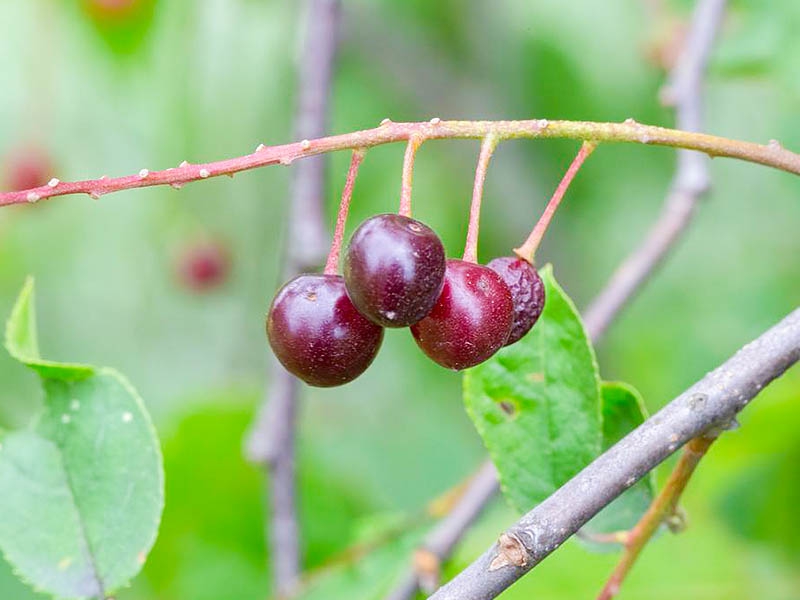
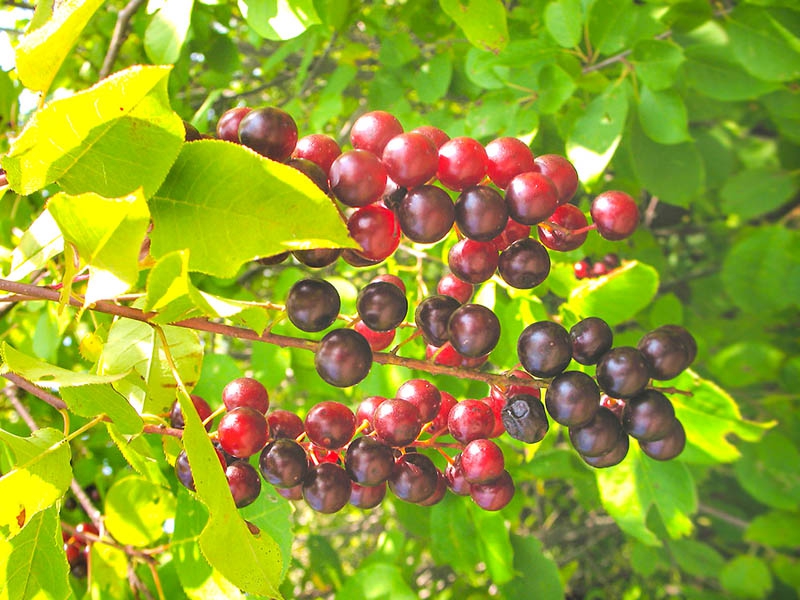
The Virginia Prunus (Prunus virginiana) is a deciduous shrub or small tree native to North America, featuring attractive flowers and fruit. This tree grows in a variety of environments and is widely used in gardens and landscaping. The following outlines the growth characteristics, propagation methods, cultivation techniques, garden uses, and major pests and control methods of the Virginia Prunus. Growth Characteristics - Habitat: It thrives in environments ranging from full sun to partial shade. It adapts well to various soil conditions, particularly preferring well-drained soil. - Growth Rate: It exhibits a relatively fast growth rate. - Size: It generally grows up to a maximum height of approximately 5 to 10 meters. - Flowers and Fruit: White flowers bloom in the spring, and fruit develops in the summer, changing from red to black. The fruit serves as food for birds and wildlife. Propagation Methods - Seed Propagation: Seeds can be collected from the fruit in the autumn and sown the following spring. - Cuttings: It can be propagated by cutting soft branches during the summer. - Grafting: It can also be propagated through grafting in the spring. Cultivation Methods - Planting: Plant in well-drained soil in a location that receives sufficient sunlight. - Watering: It is important to water consistently until the plant is established. Afterward, it is relatively drought-tolerant. - Pruning: Pruning is best done in winter to promote growth and remove overcrowded branches. Uses in Gardens - Landscaping: It is suitable for creating natural landscapes by planting in clusters in gardens or parks. - Ecological Value: The fruit serves as food for birds, supporting the ecosystem. Major Pests and Control Methods - Aphids: Aphids may appear on the leaves; use an appropriate insecticide to prevent this. - Blight: Symptoms may appear on branches or leaves; ensure good ventilation and plant at appropriate intervals to reduce the occurrence of the disease. - Cutworm: Since moth larvae can damage leaves, control them by using insecticides or natural pests if necessary. The Virginia Prunus possesses unique beauty and ecological value, making it suitable for various uses. It is important to manage it properly to grow it in a healthy state.
Plant Type
Plant Family
Rosaceae
Height
6~9m
Spread
4.5~6m
Colors
white
Bloom Period
April to August
Water Needs
commonly
Exposure
Sunny
Freezing Resistance
-40°C
Cherry tree 'Acolade'
Prunus 'Accolade'
Serotina cherry tree
Prunus serotina