English
한국어
English
Español
中文
हिंदी
Home
News
Community
Dictionary
English
한국어
English
Español
中文
हिंदी
View list
Adunka the Violet
Viola adunca
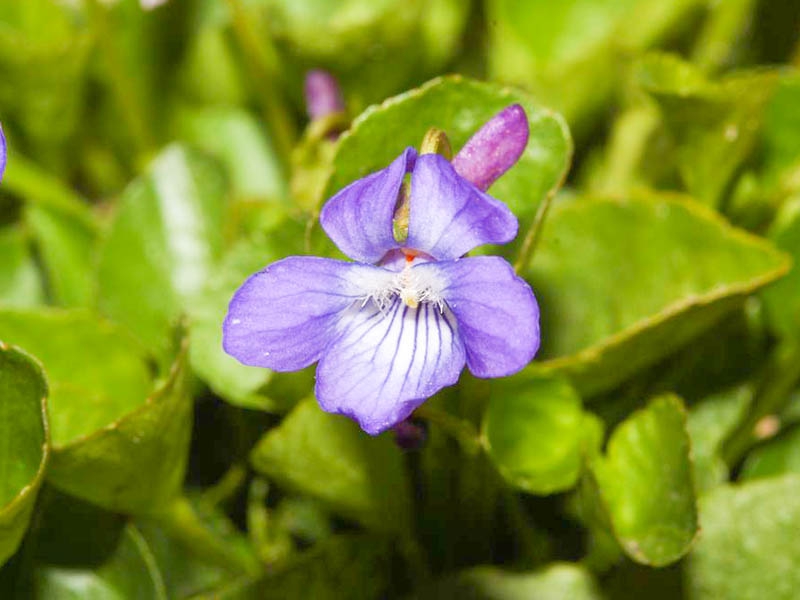
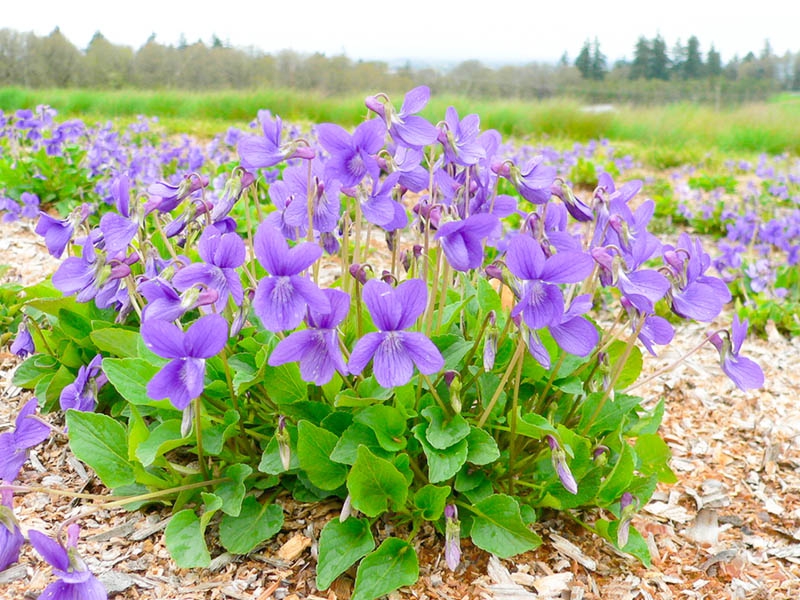
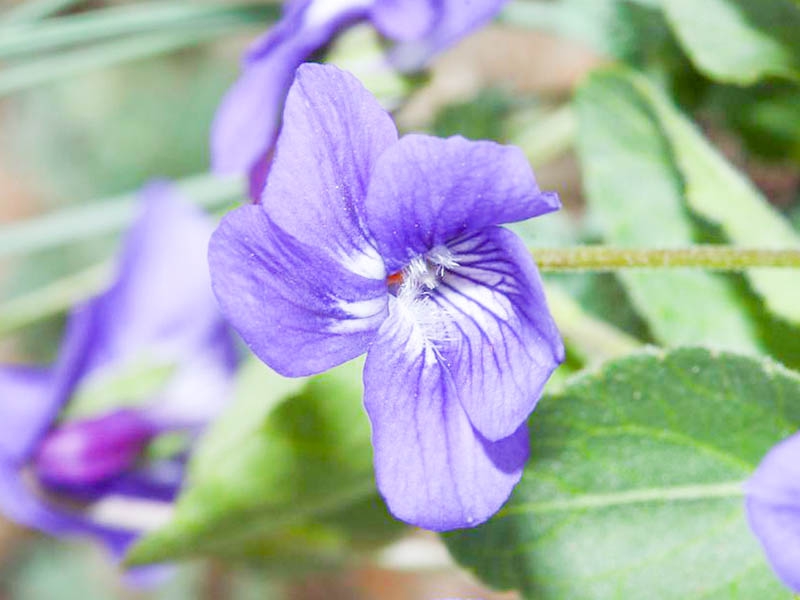
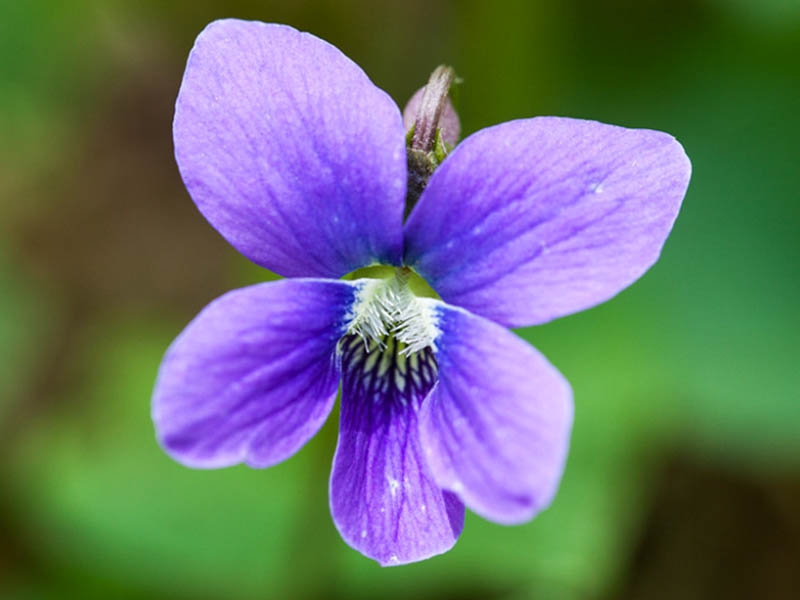
Growth Characteristics of Viola adunca Viola adunca is a perennial herbaceous plant native primarily to North America. It grows to a height of approximately 10–15 cm, and its leaves are heart-shaped with slightly serrated edges. The flowers range from purple to blue and bloom between April and June. It thrives in partial shade and prefers moderate humidity. Well-drained soil is preferred. Propagation Methods Viola adunca is primarily propagated by seeds and root division. Seeds can be harvested in the summer after flowering and can be planted immediately in the fall or sown the following spring. Root division is best performed in early spring or autumn. Cultivation Methods - Soil Preparation: Select well-draining soil and mix in organic fertilizer. - Planting: Plant in the spring or fall, and water thoroughly immediately after planting. - Watering: Water periodically during dry periods, but avoid overwatering. 4. Light Management: Since it prefers partial shade, avoid strong direct sunlight. Uses in the Garden Violet Adunca can be used in the garden as a ground cover plant. It is particularly suitable for planting along garden edges or flower borders in areas with partial shade. It blends well with various other garden plants and is suitable for natural garden designs. Important Pests and Control Methods Major pests include aphids, snails, and scale insects. Fungal diseases may also occur. - Aphids: Remove using soapy water or insecticides. - Snails: Remove manually or use special snail attractants. - Scale Insects: Wipe with cotton soaked in alcohol or use insecticides. - Fungal Diseases: Improve ventilation and use fungicides for control. With proper care, Violet Adunca grows beautifully in the garden, and its small flowers add a unique charm to the space.
Plant Type
Plant Family
Violet family
Height
7~15cm
Spread
Colors
purple
Bloom Period
April to August
Water Needs
commonly
Exposure
Sunny
Freezing Resistance
-40°C
Violet Aphinis
Viola affinis
Viola 'Heartthrob'
Viola cornuta 'Heartthrob'