English
한국어
English
Español
中文
हिंदी
Home
News
Community
Dictionary
English
한국어
English
Español
中文
हिंदी
View list
Money transfer
Pseudolarix amabilis
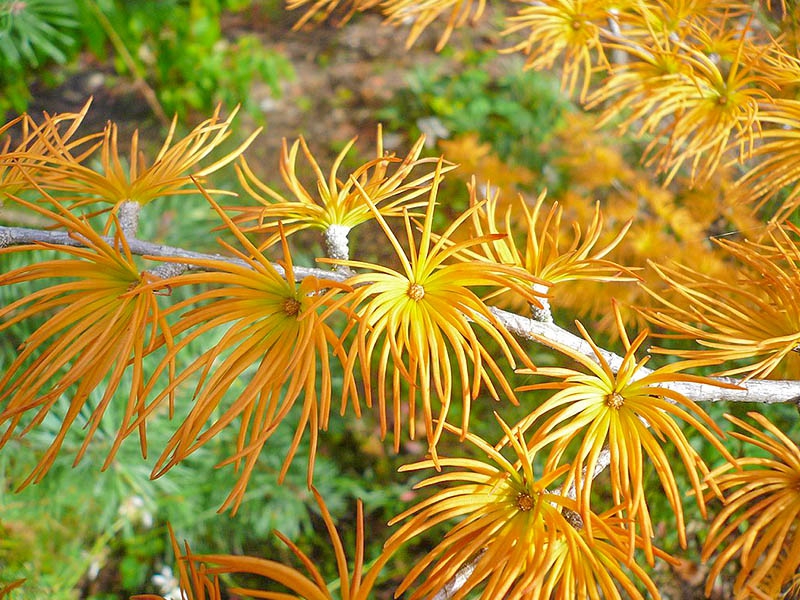
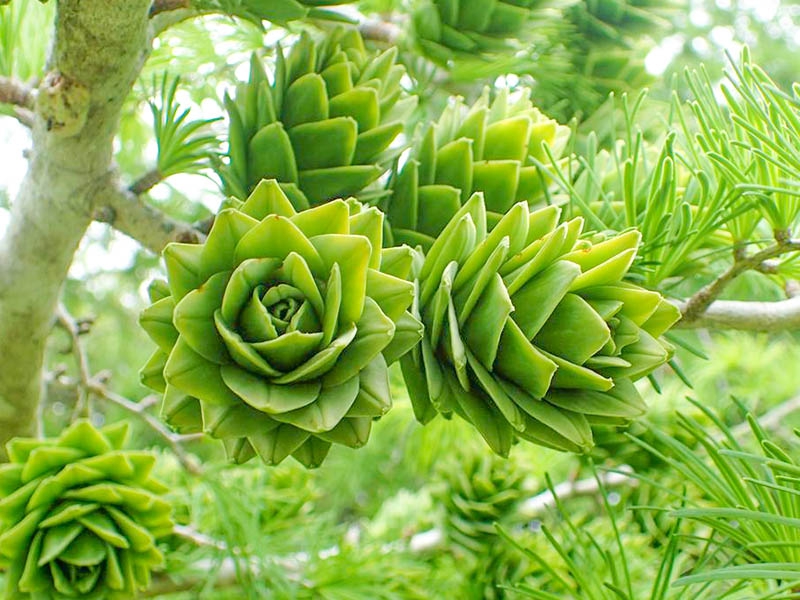
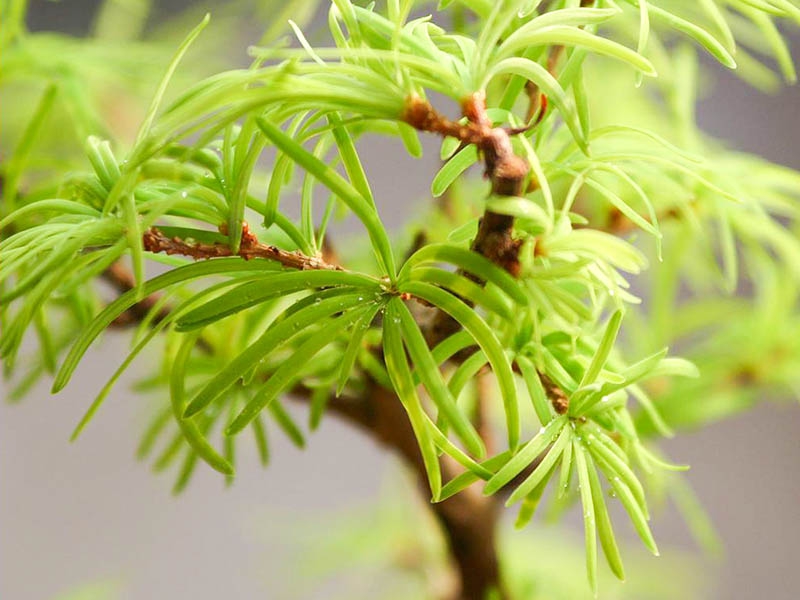
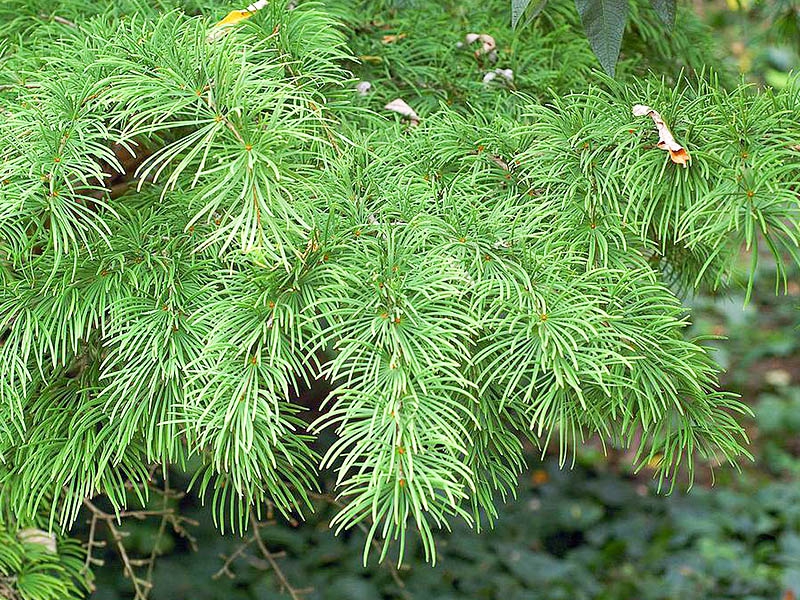
Pseudolarix amabilis is a deciduous conifer native to eastern China. The following is information regarding the growth characteristics, propagation methods, cultivation methods, garden uses, and major pests and diseases, as well as control methods. Growth Characteristics - Size: Mature trees can grow up to 30 meters in height and over 1 meter in diameter. - Leaves: Although it is a conifer, the leaves shed seasonally. They are approximately 3 to 5 cm long and light green in color. - Environment: It thrives in sunny locations and prefers well-drained sandy loam soil. Propagation Methods - Seed Propagation: Pseudolarix amabilis is propagated by seeds; seeds collected between late autumn and early spring should be used. Cold treatment may be necessary, and germination rates may be somewhat low. - Grafting: Grafting using logs is also possible. Cultivation Methods - Soil: It prefers well-drained sandy loam. It is recommended to maintain a slightly acidic soil pH. - Watering: Avoid overwatering; water when the topsoil dries out. - Fertilizer: Slow-release fertilizers can be used during the growing season. Uses in Gardens - Landscape Tree: The Golden Pine is widely used as a landscape tree due to the beauty of its foliage and its unique appearance. - Shape: Due to its slow growth rate, it is suitable for small gardens or large pots. Important Pests and Control Methods - Diseases: It is generally resistant to diseases, but root rot can occur due to excessive moisture. In such cases, drainage must be improved. - Pests: Pests such as aphids and scale insects may occur; to eliminate them, appropriate insecticides can be used, or organic pest control methods can be applied. The Golden Pine is relatively easy to care for, but it can grow even more beautifully and healthily if provided with the right environment and conditions.
Plant Type
Plant Family
Pine family
Height
30~40m
Spread
Colors
Green, yellow
Bloom Period
September to November
Water Needs
commonly
Exposure
semi-shaded area
Freezing Resistance
-30°C
Fuji cherry tree 'Frilly Frog'
Prunus incisa 'Frilly frock'
Hwang Sang-hwan Cactus Aurea
Pseudolobivia aurea