English
한국어
English
Español
中文
हिंदी
Home
News
Community
Dictionary
English
한국어
English
Español
中文
हिंदी
View list
Silk moss longifolium
Pterigynandrum longifolium
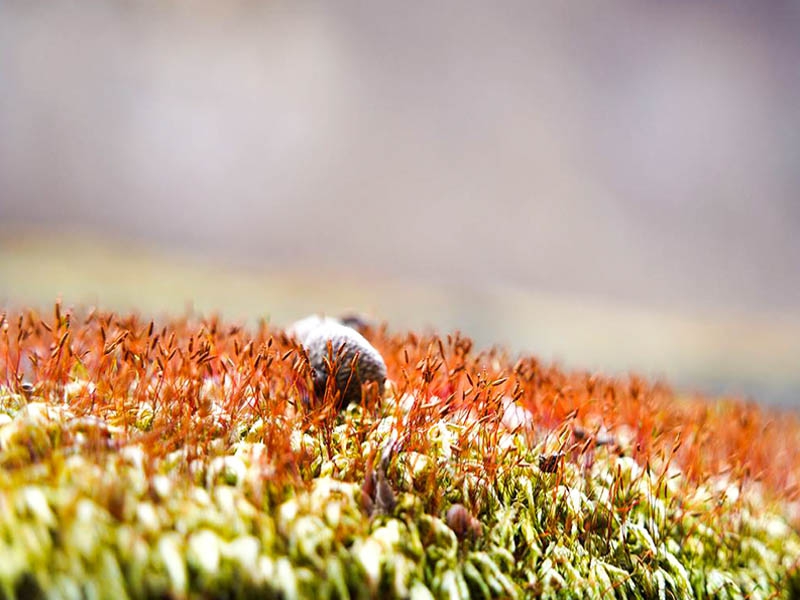
Pterigynandrum longifolium is a plant belonging to the moss family and is characterized by its ability to thrive primarily in humid environments. The following outlines the moss's growth characteristics, propagation methods, cultivation methods, garden uses, major pests and diseases, and control methods. Growth Characteristics - Environment: Pterigynandrum longifolium grows well in humid and shady environments. While it is generally relatively resistant to temperature fluctuations, it is advisable to avoid extreme dryness or direct sunlight. - Soil: It grows well in soil rich in organic matter, and well-drained soil is suitable. Propagation Methods - Spores: Mosses primarily reproduce by spores. Mosse spores are very light and easily dispersed by wind; they germinate when they reach a suitable environment. - Division: If you cut off a part of the moss and place it in a new location, that part will grow and propagate. Cultivation Methods - Location Selection: Plant in a shady spot and maintain adequate moisture. - Watering: Provide sufficient moisture while being careful not to overwater. - Potting Medium: It is recommended to use potting soil containing organic matter. Uses in the Garden - Ornamental: Silk moss possesses a unique texture and color, making it suitable for ornamental use in the garden. - Soil Reinforcement: It enhances moisture retention and helps prevent soil erosion. Important Pests and Control Methods - Diseases: Unlike ordinary plants, mosses have few distinct diseases; however, excessive moisture can lead to mold growth. - Pests: There are no major pests, but care must be taken to avoid damaging the moss. - Control Methods: Maintain a clean environment and, if necessary, use appropriate fungicides to prevent mold. This information is important for the healthy growth of Silk Moss Longifolium and helps create a natural garden environment.
Plant Type
Plant Family
Feather moss family
Height
2cm
Spread
Colors
sporophyte
Bloom Period
Water Needs
commonly
Exposure
semi-shaded area
Freezing Resistance
-10°C
bracken
Pteridium aquilinum var. latiusculum
Large-tailed variegated snail
Pteris nipponica