English
한국어
English
Español
中文
हिंदी
Home
News
Community
Dictionary
English
한국어
English
Español
中文
हिंदी
View list
Half-fern
Pteris dispar
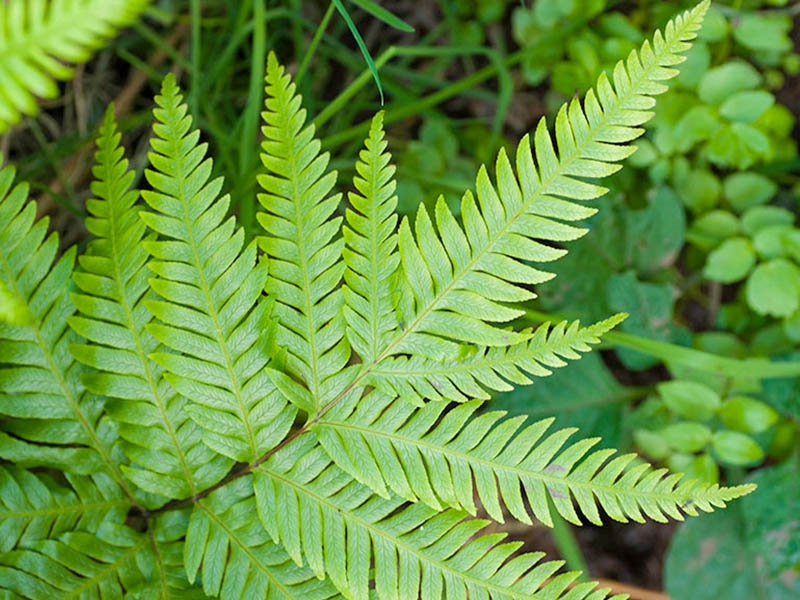
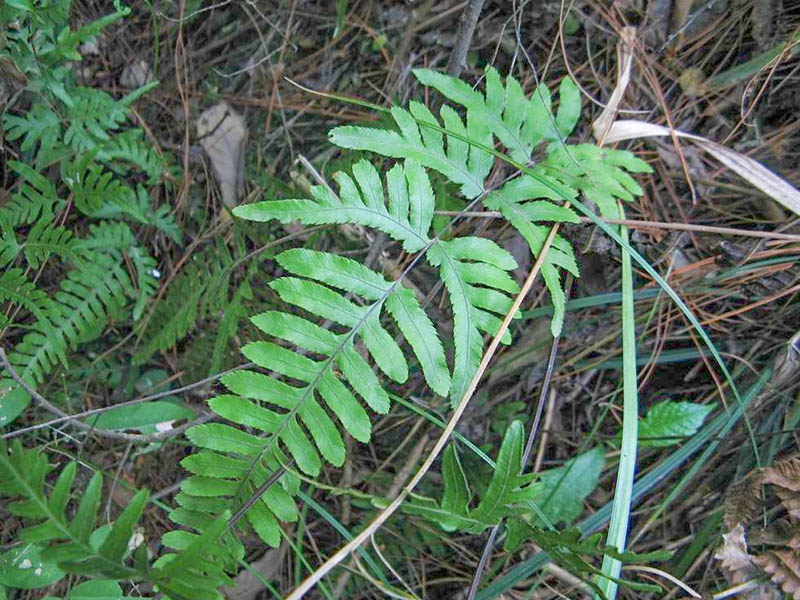
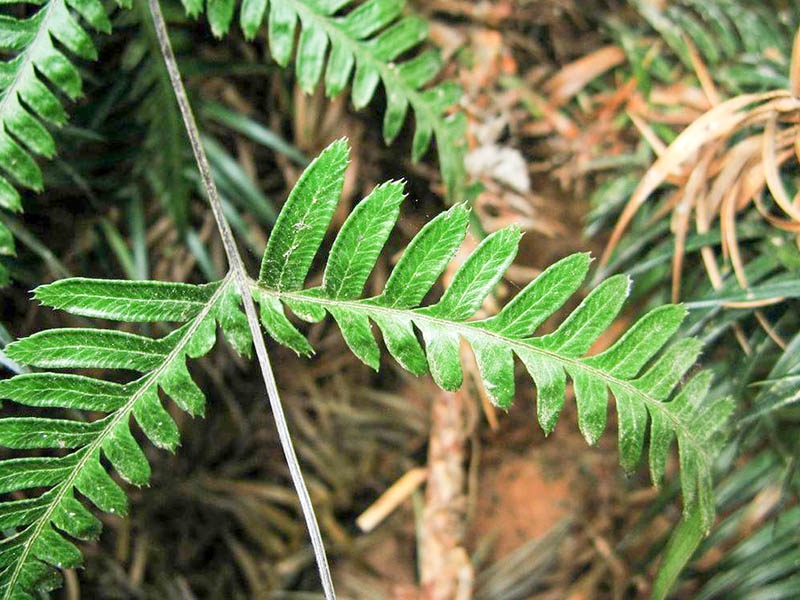
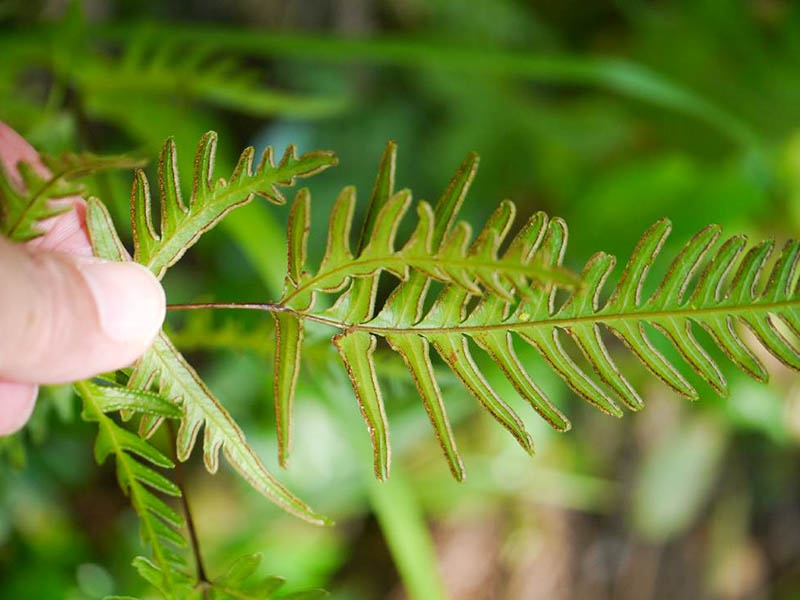
Growth Characteristics of Pteris dispar: Pteris dispar is a type of fern that thrives primarily in moist environments. It prefers shade but also grows well in indirect sunlight. It can grow rapidly in environments where moderate temperature and humidity are maintained. Propagation Methods: Propagation is mainly achieved through spores, which are produced on the undersides of leaves. Spores can be collected and sown in moist soil, but this method requires significant time and care. It can also be propagated by division, which involves dividing the roots and planting them in the spring or autumn. Cultivation Methods: It is important to use well-draining soil when cultivating. It is best to water only after the topsoil has dried out. Caution should be exercised as overwatering can cause root rot. Using slow-release fertilizers in the spring and summer is recommended for proper nutrient supply. Use in the Garden: The Japanese snail fern is highly useful in specialized environments such as shaded gardens or wetlands. Due to its unique leaf shape, it can be utilized as a structural element in the garden and blends harmoniously with other plants to create a natural atmosphere. Important Pests and Control Methods: While the Japanese snail fern is relatively resistant to pests and diseases, it can be damaged by aphids or scale insects in hot and humid environments. To control these issues, it is important to inspect the plant regularly and apply eco-friendly insecticides to treat them at an early stage. Additionally, care must be taken with watering, as overwatering can lead to root rot.
Plant Type
Plant Family
family Pterocarydae
Height
30~70cm
Spread
Colors
sporophyte
Bloom Period
Water Needs
commonly
Exposure
semi-shaded area
Freezing Resistance
-10°C
Phoenix tail
Pteris multifida
Big phoenix tail
Pteris cretica