English
한국어
English
Español
中文
हिंदी
Home
News
Community
Dictionary
English
한국어
English
Español
中文
हिंदी
View list
Chinese elm
Pterocarya stenoptera
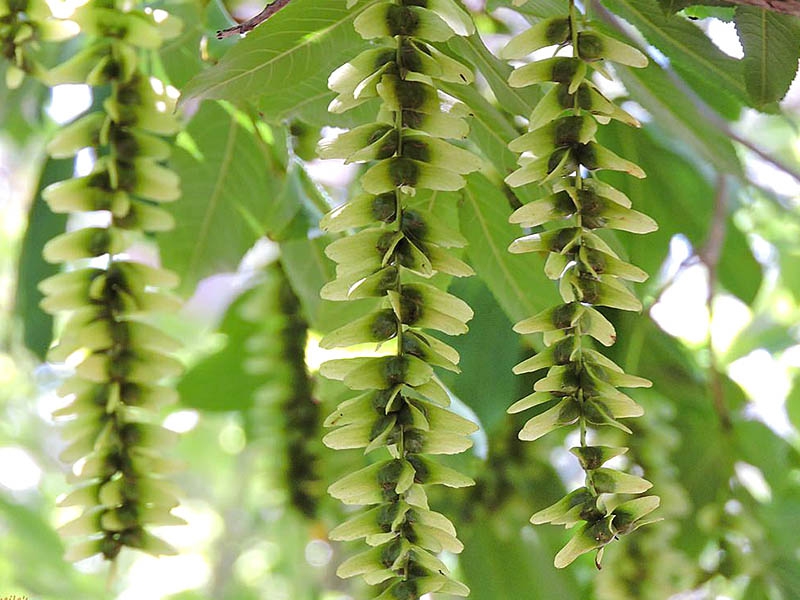
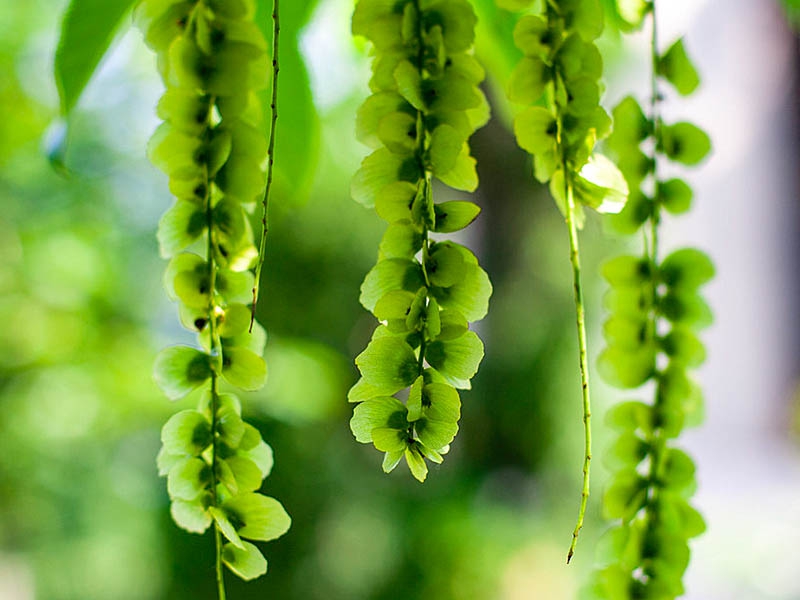
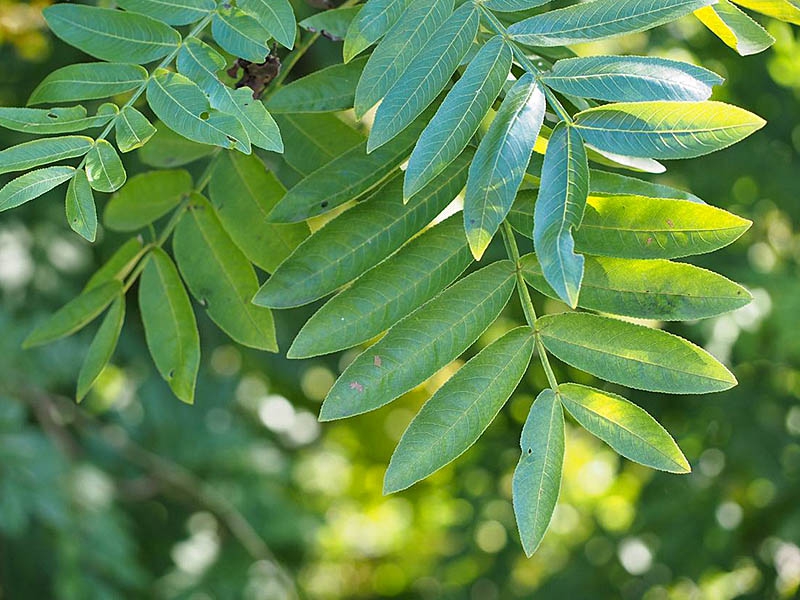
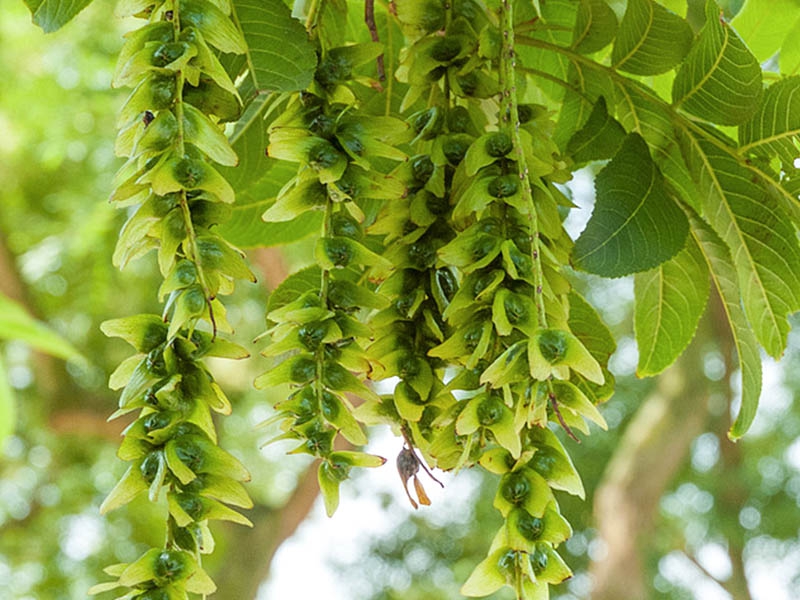
Pterocarya stenoptera, the Chinese elm, is a deciduous broad-leaved tree primarily distributed in southern China. This tree possesses the following growth characteristics, propagation methods, and cultivation methods. Growth Characteristics - Growth Environment: The Chinese elm thrives in warm and humid climates. It prefers sunny locations and grows best in well-drained soil. - Morphology: It grows to an average height of 20 meters, forming large leaves and a broad crown. The leaves are pinnate and turn a beautiful yellow in autumn. Propagation Methods - Seed Propagation: Seeds collected in autumn are cold-treated during the winter and sown in the spring for a high germination rate. - Cutting Propagation: It is also possible to propagate by cutting newly grown, non-lignified branches during the summer. Cultivation Methods - Soil and Water Management: It prefers well-drained and fertile soil. Water regularly, but be careful not to overwater. - Pruning and Care: It is recommended to shape the tree by pruning during the winter or late autumn. Uses in the Garden The Chinese zelkova is popular as a landscaping tree due to its large and beautiful leaves. Its wide canopy provides shade, making it suitable for parks or large gardens. Important Pests and Control Methods - Diseases: The most common diseases are leaf blight and black spot. To prevent these, observe the tree periodically and use appropriate fungicides if necessary. - Pests: Aphids and moth larvae can cause problems. These pests can be controlled by using insecticides in a timely manner or by utilizing natural predators. Under proper care, the Chinese zelkova (Stenoptera) can be an important element of a garden. It is important to ensure it grows healthily through appropriate cultivation and care tailored to each environment.
Plant Type
Plant Family
Juglandaceae
Height
30m
Spread
Colors
yellow, green
Bloom Period
April~May
Water Needs
commonly
Exposure
Sunny
Freezing Resistance
-30°C
Arbuscula
Pterobryum arbuscula
Korean fir
Pterocarya rhoifolia