English
한국어
English
Español
中文
हिंदी
Home
News
Community
Dictionary
English
한국어
English
Español
中文
हिंदी
View list
pasqueflower
Pulsatilla koreana
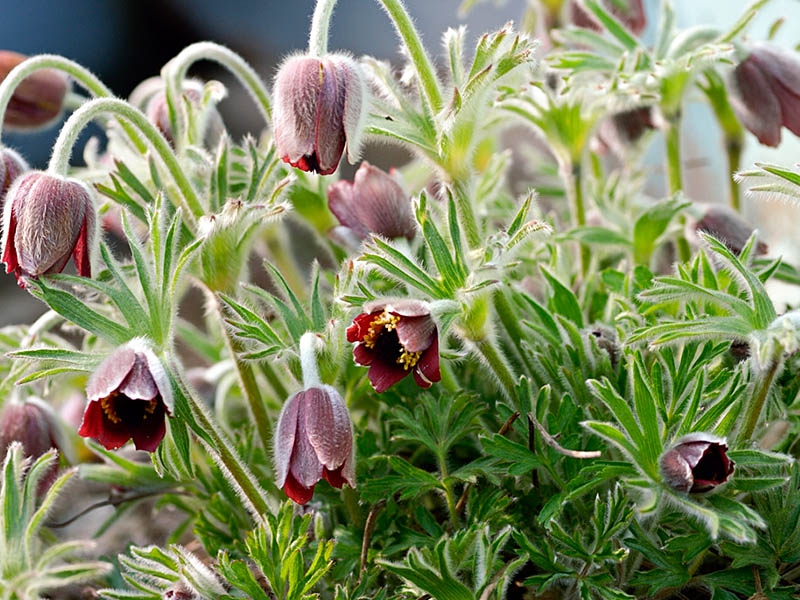
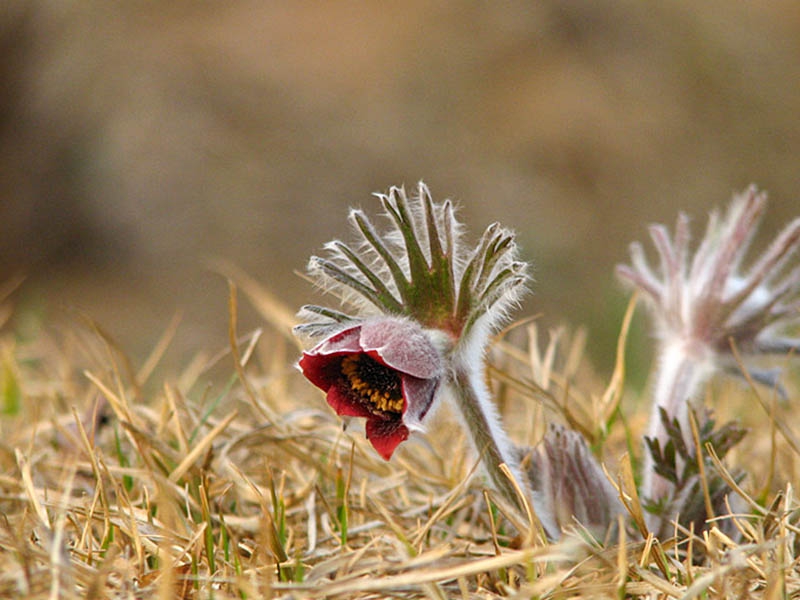
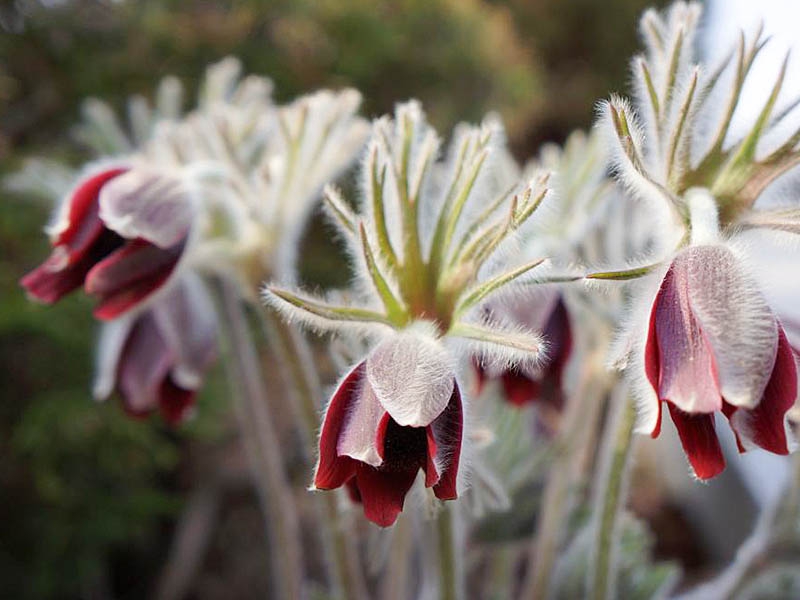
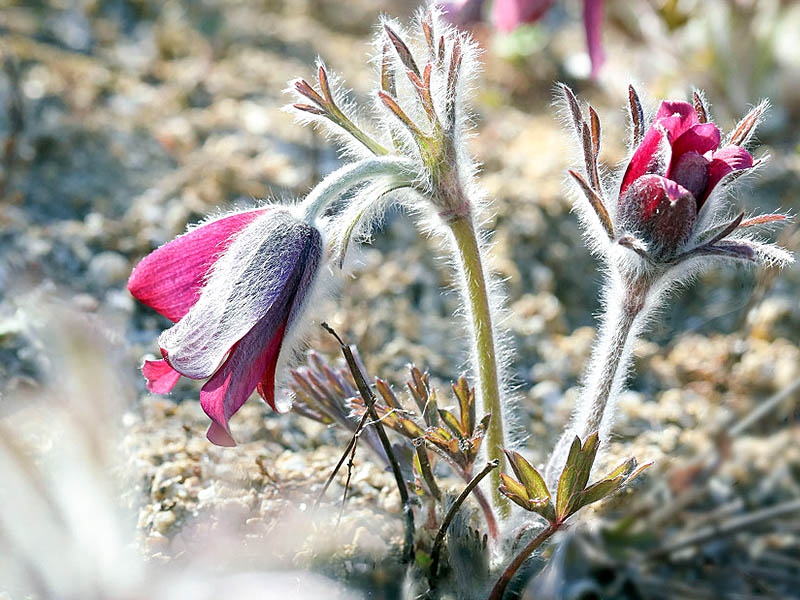
I will explain the growth characteristics, propagation methods, cultivation methods, garden uses, and major pests and diseases and control methods of Pulsatilla koreana. Growth Characteristics Pulsatilla koreana is a perennial plant that grows mainly in Korea and blooms in early spring. This plant grows to a height of about 20–30 cm and is characterized by hairy stems and leaves. It produces bell-shaped flowers ranging from purple to violet, and after the flowers fade, it produces seeds covered in white hairs. Propagation Methods Pulsatilla koreana can primarily be cultivated through seed propagation. The seeds mature in the autumn, and can be sown in early spring or autumn. Propagation can also be attempted through root division, a method best used in the later stages of growth. Cultivation Methods - Soil Preparation: Well-drained sandy soil is the most suitable. It grows well when planted in soil rich in organic matter. 2. Sunlight: Since Pulsatilla is a plant that loves sunlight, it is best to plant it in a location where it can receive ample sunlight. - Watering: It is susceptible to overwatering, so it is important to water thoroughly only when the soil is dry. - Fertilizer: Generally, it does not require a lot of fertilizer, but it is recommended to apply an appropriate amount of organic fertilizer in spring and autumn to aid growth. Uses in the GardenPulsatilla Koreana looks beautiful when planted along shaded garden borders or in rock gardens. Because it blooms early in spring, it can serve as an early spring focal point in the garden. It grows well in shade and can be planted alongside other spring flowers to create a lush garden. Important Pests and Control Methods While it is generally resistant to pests and diseases, fungal diseases can occur in overly humid environments. To prevent this, it is important to create an environment with good ventilation and drainage. If fungal diseases occur, removing the infected parts and using an appropriate fungicide is effective. Pest infestations are relatively rare, but insects such as Asian moth larvae can cause problems. In such cases, it is advisable to use appropriate pest control agents. I hope this information helps you successfully cultivate Pulsatilla koreana.
Plant Type
Plant Family
Ranunculaceae
Height
30~40cm
Spread
Colors
purple
Bloom Period
April~May
Water Needs
Bad
Exposure
Sunny
Freezing Resistance
-30°C
Donggang Halmi Flower
Pulsatilla tongkangensis
Pink pasqueflower Daburika
Pulsatilla davurica