English
한국어
English
Español
中文
हिंदी
Home
News
Community
Dictionary
English
한국어
English
Español
中文
हिंदी
View list
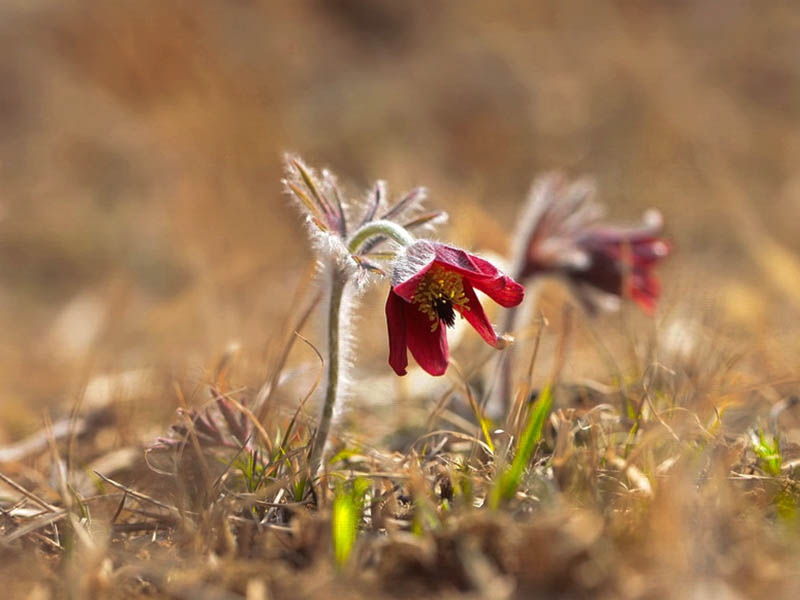
Mountain pasqueflower
Pulsatilla nivalis
Pulsatilla nivalis is a perennial plant that grows in alpine regions. It has the following growth characteristics, propagation methods, and cultivation methods. Growth Characteristics - Habitat: It primarily grows in alpine regions or cold climates and prefers sunny locations. - Soil: It thrives in well-drained soil and prefers slightly acidic or neutral soil. - Temperature: It adapts well to cold climates and grows healthily in cool environments. Propagation Methods - Seed Propagation: It can be propagated by sowing seeds in spring or early summer. To increase germination rates, treatment to break dormancy at low temperatures may be necessary. - Division: It can be propagated by separating roots in early spring. Cultivation Methods - Light: It is best to plant in a location with ample sunlight. - Watering: Be careful not to overwater; it is best to water when the soil is slightly dry. - Fertilizer: It is beneficial to apply a small amount of fertilizer during periods of vigorous growth. Uses in the Garden - Landscape: Its beautiful flowers make it suitable for planting in gardens or rock gardens. It blooms in early spring, bringing vitality to the spring garden. - Ecological Garden: It is useful for creating alpine gardens or four-season gardens. Important Pests and Control Methods - Diseases: There are no specific diseases, but care must be taken to avoid overwatering. - Pests: While damage from pests is generally minimal, if aphids appear, they can be controlled using a soap mixture. Pulsatilla koreana is relatively easy to care for, so with just a little attention, you can enjoy healthy and beautiful flowers.
Plant Type
Plant Family
Ranunculaceae
Height
15∼20cm
Spread
Colors
red
Bloom Period
June–July
Water Needs
commonly
Exposure
Sunny
Freezing Resistance
-30°C
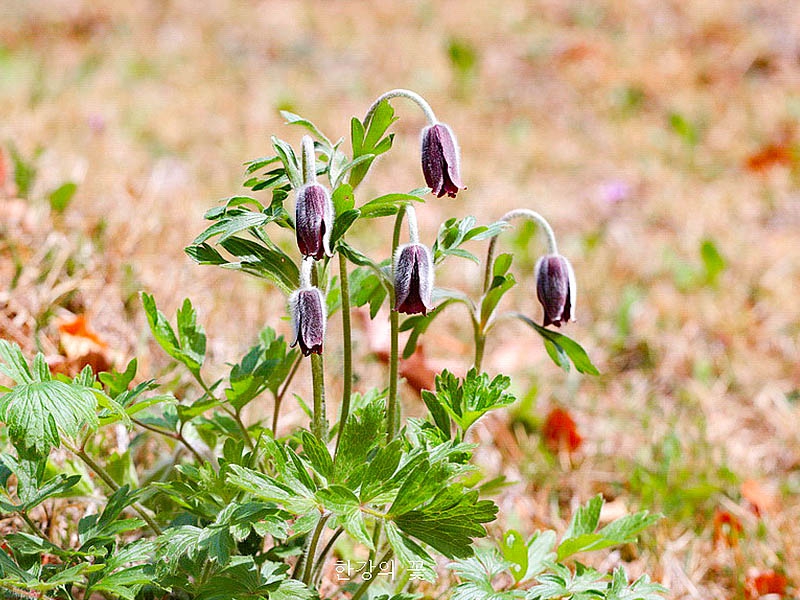
Narrow-leaved pasqueflower
Pulsatilla cernua
Chinese pasqueflower
Pulsatilla chinensis