English
한국어
English
Español
中文
हिंदी
Home
News
Community
Dictionary
English
한국어
English
Español
中文
हिंदी
View list
Taurian pasqueflower
Pulsatilla halleri
subsp.
taurica
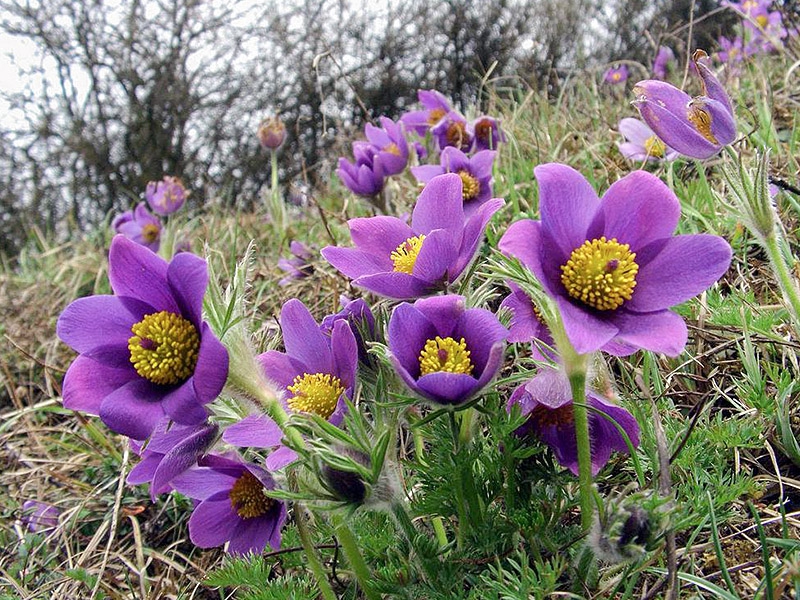
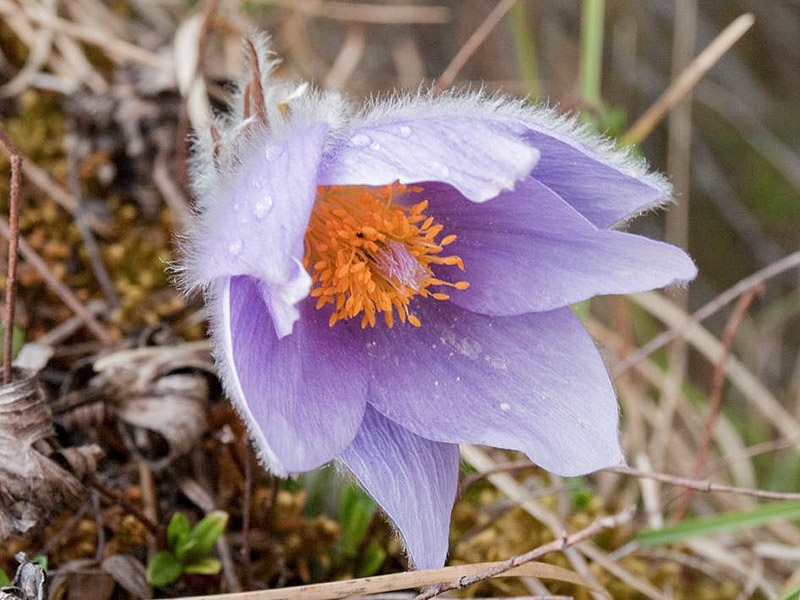
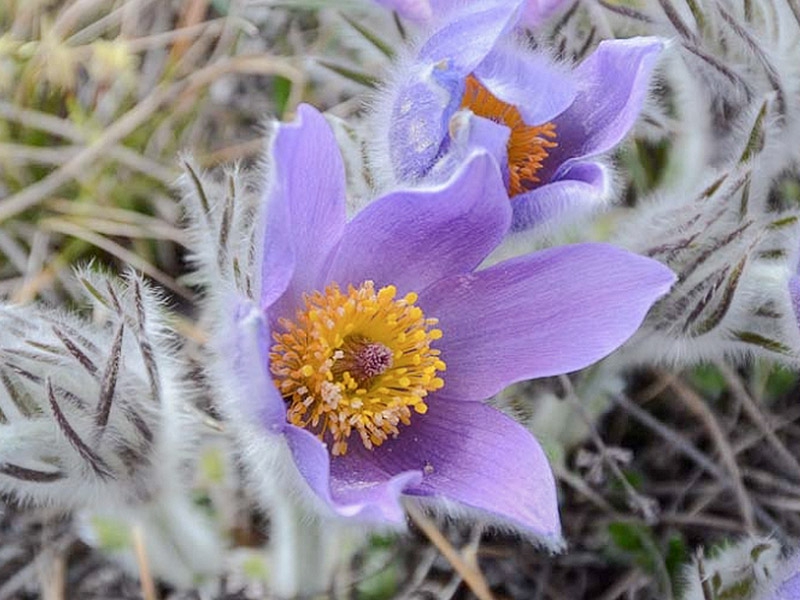
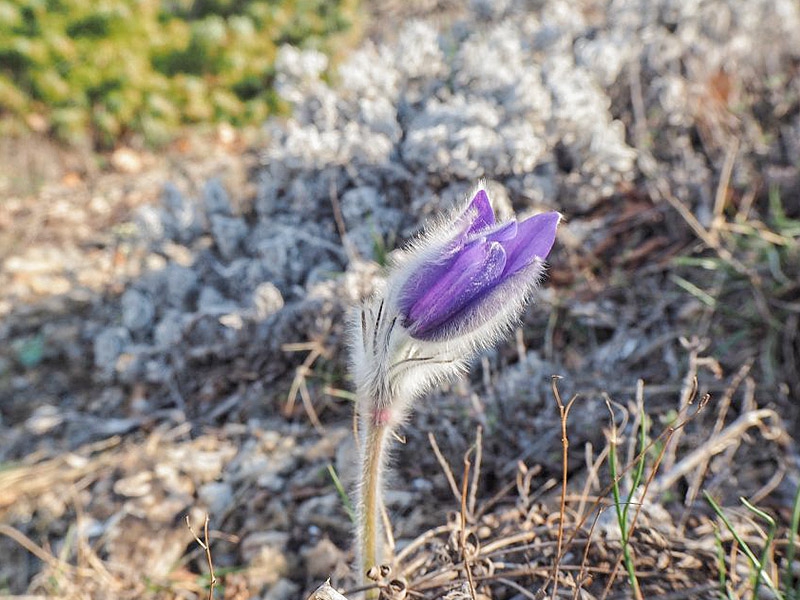
Pulsatilla halleri subsp. taurica is a perennial herbaceous plant with the following characteristics: - Growth Characteristics: This plant primarily grows in mountain meadows and produces round flowers in the spring. It features purple or purplish-pink petals and is characterized by hairy calyxes. It grows to a height of approximately 15–20 cm. - Propagation Methods: Pulsatilla halleri is generally propagated by seeds. The seeds mature in early summer; they should be dried thoroughly at room temperature and sown immediately or the following spring. It can also be propagated by root division. - Cultivation Methods: It prefers sunny locations and thrives in well-drained soil. Since it prefers a relatively dry environment, it is best to avoid excessive watering. Applying a moderate amount of fertilizer in the spring helps with growth. 4. Use in the Garden: This plant is widely used as an ornamental plant in gardens due to its beautiful flowers. It is well-suited for rock gardens or meadow-style gardens, and can be placed alongside other plants to enhance a natural aesthetic. - Important Pests and Diseases and Control Methods: Although this plant is relatively resistant to pests and diseases, they can occur in unsuitable environments. Fungal diseases may develop on the leaves, in which case it is recommended to use an appropriate fungicide. Additionally, root rot can occur in poorly drained soil, so it is important to maintain an environment with good drainage. By managing the Taurica pasqueflower with these characteristics in mind, it will grow healthily, allowing you to enjoy its beautiful flowers.
Plant Type
Plant Family
Ranunculaceae
Height
20~30cm
Spread
20~30cm
Colors
purple
Bloom Period
March to May
Water Needs
commonly
Exposure
Sunny
Freezing Resistance
-30°C
Red European pasqueflower
Pulsatilla vulgaris var. rubra
Slavica pasqueflower
Pulsatilla halleri subsp. slavica