English
한국어
English
Español
中文
हिंदी
Home
News
Community
Dictionary
English
한국어
English
Español
中文
हिंदी
View list
Pasqueflower Alpina
Pulsatilla alpina
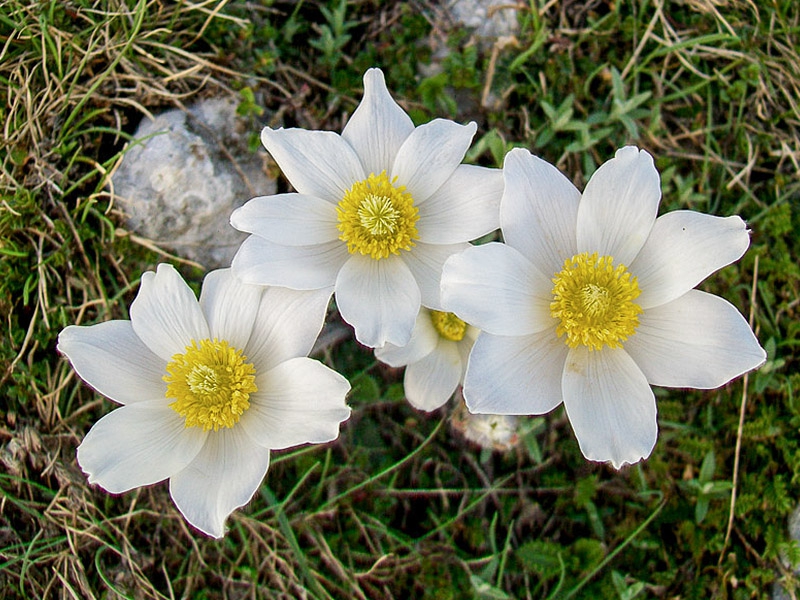
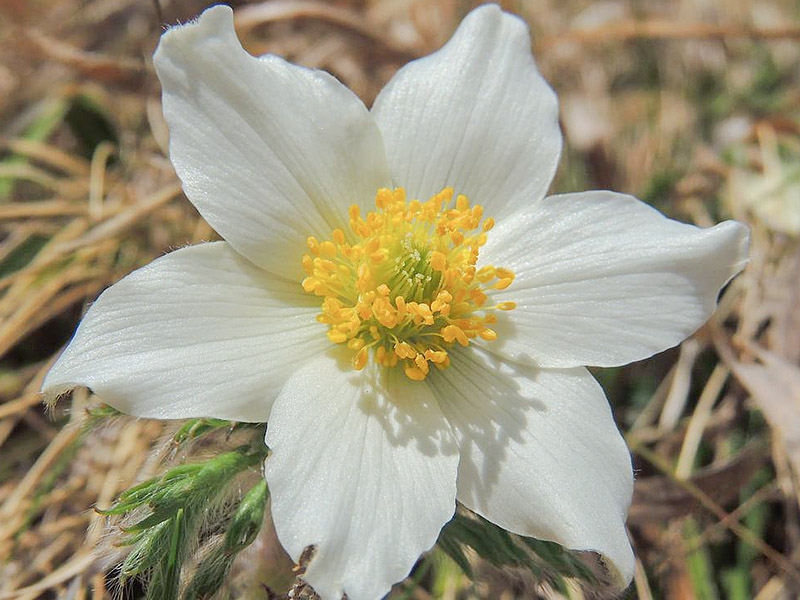
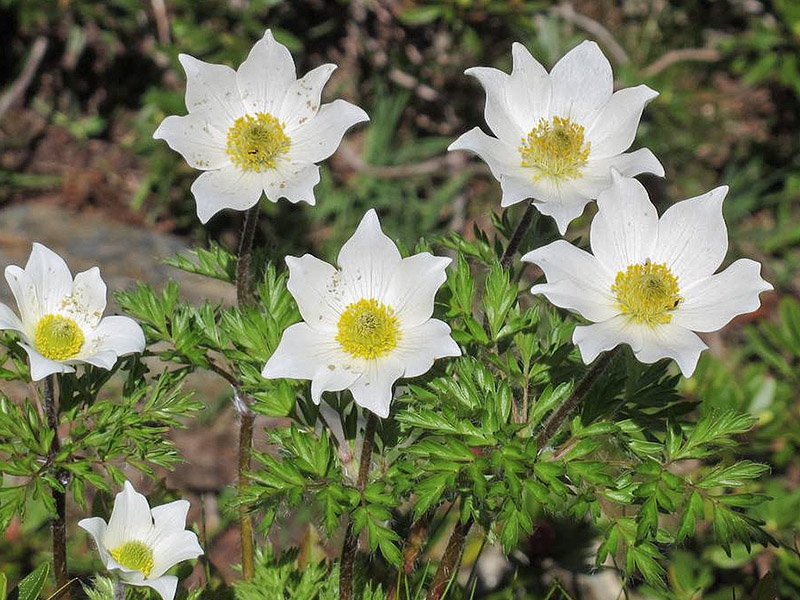
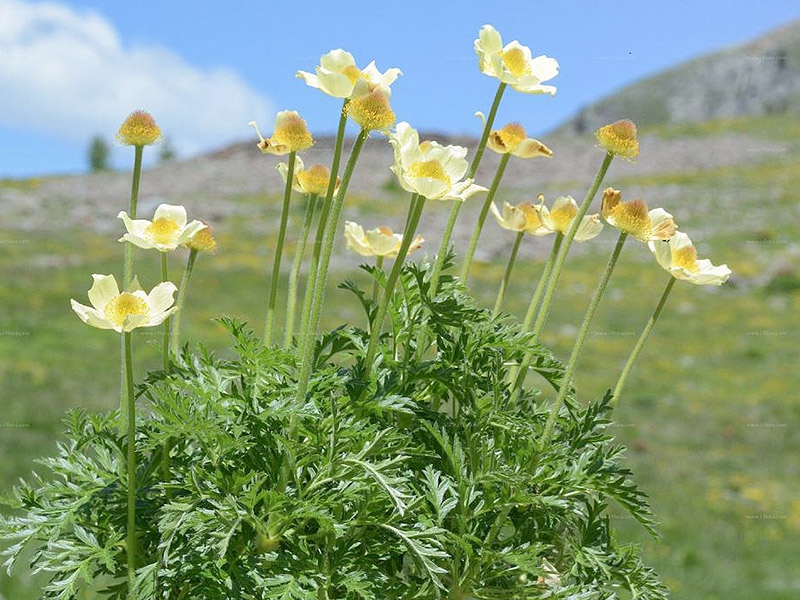
Growth Characteristics Pulsatilla alpina is a perennial plant native to the alpine regions of Europe. It grows to a height of approximately 20–30 cm and primarily blooms from late spring to early summer. The leaves are deeply pinnately divided, and the flowers are mainly white or yellow. This plant thrives in sunny locations but can also adapt to some shade. Propagation Methods Pulsatilla alpina can be propagated mainly by seeds or division. For seed propagation, it is best to sow in early spring, and cold treatment (e.g., refrigeration) for 1–2 weeks is necessary to increase the germination rate. Division involves dividing the roots of a mature plant and is best performed in early spring or late autumn. Cultivation Methods - Soil: It prefers well-drained soil and grows well in slightly acidic to neutral soil. - Watering: Adequate moisture is necessary, but overwatering should be avoided. Care should be taken not to water too frequently, especially during the winter. - Sunlight: Sufficient sunlight is required, but strong direct sunlight in the afternoon should be avoided. - Fertilizer: It is advisable to apply a small amount of fertilizer during the growing season, but excessive use should be avoided. Uses in the Garden Pulsatilla alpina is widely used as an ornamental plant in gardens due to its distinctively beautiful flowers and leaves. It is well-suited for rock gardens, slopes, or Alpine-style gardens. Additionally, planting it alongside other wildflowers can create a natural landscape. Important Pests and Diseases & Control Methods - Diseases: It may be susceptible to fungal diseases; these can be prevented by avoiding overwatering and ensuring good ventilation. - Pests: Aphids and spider mites are common pests. To prevent this, observe the leaves regularly; if problems are detected, use appropriate insecticides or consider control methods using natural predators. As such, the Pulsatilla alpina requires specific care and attention, but under the proper environment and management, it can grow into a beautiful and healthy plant.
Plant Type
Plant Family
Ranunculaceae
Height
15~30cm
Spread
7~10cm
Colors
white
Bloom Period
March to June
Water Needs
commonly
Exposure
Sunny
Freezing Resistance
-30°C
Slavica pasqueflower
Pulsatilla halleri subsp. slavica
Pasqueflower Bernalis
Pulsatilla vernalis