English
한국어
English
Español
中文
हिंदी
Home
News
Community
Dictionary
English
한국어
English
Español
中文
हिंदी
View list
pomegranate tree
Punica granatum
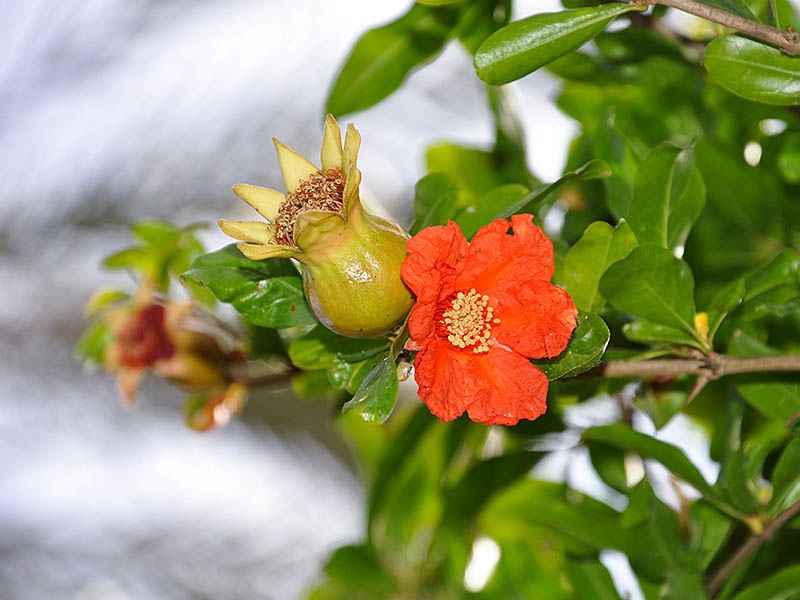
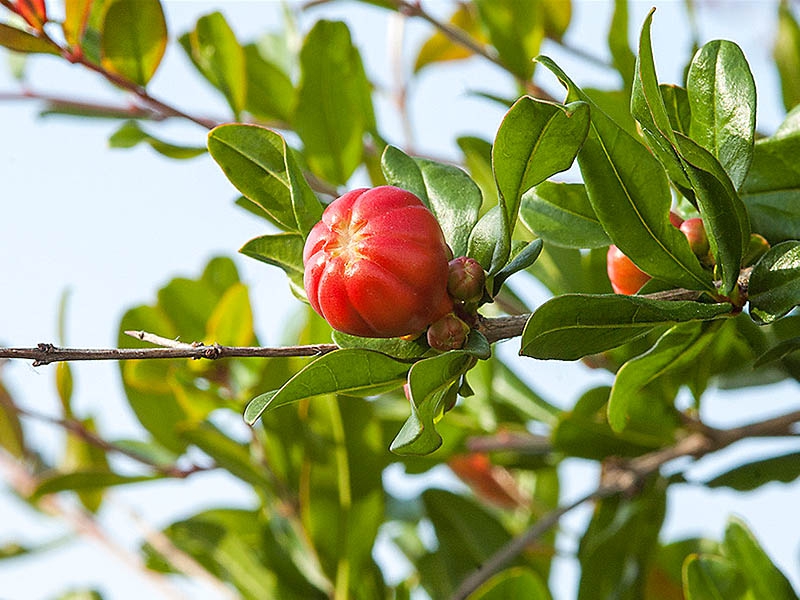
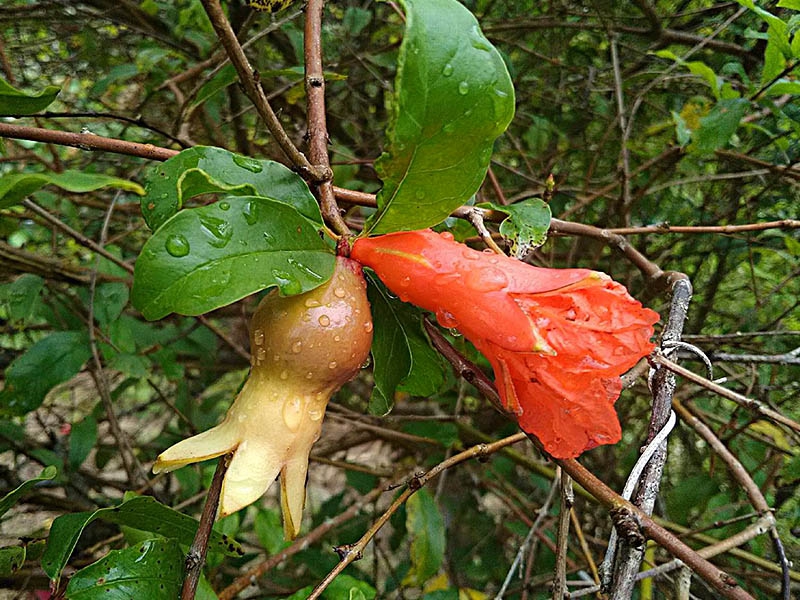
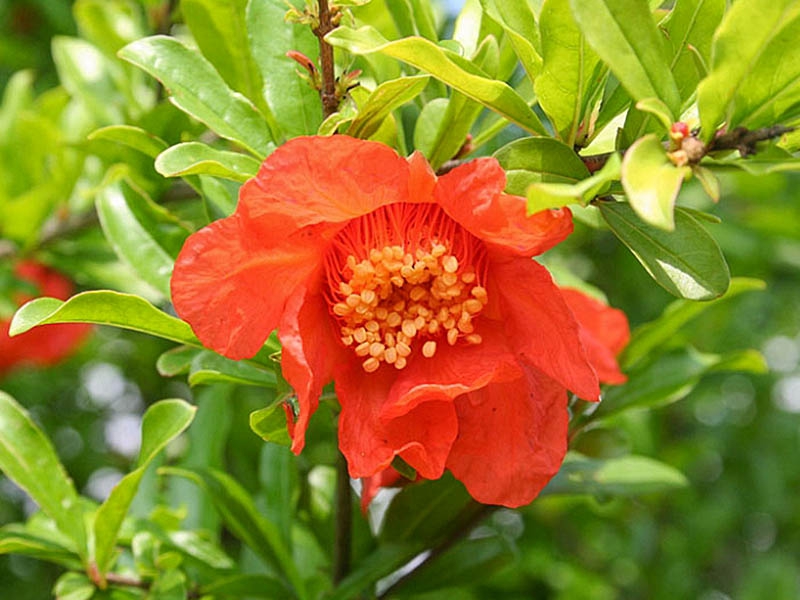
The Pomegranate tree (Punica granatum) has the following growth characteristics, propagation methods, cultivation methods, garden uses, and major pests and diseases and control methods. Growth Characteristics Pomegranate trees thrive in subtropical and temperate climates and prefer locations with plenty of sunlight. They exhibit optimal growth in well-drained soil and are drought-tolerant, allowing them to withstand relatively dry environments. Generally, they grow up to 5–10 meters tall and are long-lived trees. Flowers bloom mainly in the summer, and the fruit can be harvested in the autumn. Propagation Methods Pomegranate trees can primarily be propagated through seeds, cuttings, and grafting. - Seed Propagation: Although propagation by seeds takes a long time, it has the advantage of allowing for the acquisition of diverse genetic variations. It is recommended to plant seeds immediately after harvesting them from the fruit. - Cutting Propagation: In spring or autumn, cut branches 15–20 cm in length and root them by placing them in water or planting them in sand or perlite. - Grafting Propagation: This is primarily performed in the spring; prepare healthy scions and rootstocks for use. Cultivation Methods It is best to cultivate pomegranate trees in a warm location with plenty of sunlight. Select well-draining soil and manage watering thoroughly in the early stages to ensure the roots establish well. Pruning should be done in late winter or early spring to remove excessive branches and maintain good ventilation. Apply fertilizer appropriately to improve fruit quality. Uses in Gardens Pomegranate trees are widely used as ornamental plants in gardens due to their showy flowers and unique fruit. They can be planted along garden borders or in the center to provide a visual focal point, and they can also be cultivated as bonsai. Major Pests and Diseases and Control Methods - Diseases: Major diseases include leaf blight and sclerotinia rot. Since these diseases occur due to poor drainage, soil management is crucial. Use appropriate fungicides for prevention and control when necessary. - Pests: Powdery mildew and aphids are common pests. Since these pests damage leaves and fruit, control measures must be taken immediately upon early detection. It can be effectively controlled using organic liquid fertilizer or appropriate insecticides. If properly cared for, the Pomegranate Granatum will become an excellent tree that adds beauty to the garden.
Plant Type
Plant Family
Pomegranate
Height
5~7m
Spread
Colors
red
Bloom Period
May~June
Water Needs
commonly
Exposure
semi-shaded area
Freezing Resistance
-15°C
Pasqueflower Bernalis
Pulsatilla vernalis
Baby pomegranate tree
Punica granatum var. nana