English
한국어
English
Español
中文
हिंदी
Home
News
Community
Dictionary
English
한국어
English
Español
中文
हिंदी
View list
Pyrus tridentata
Purshia tridentata
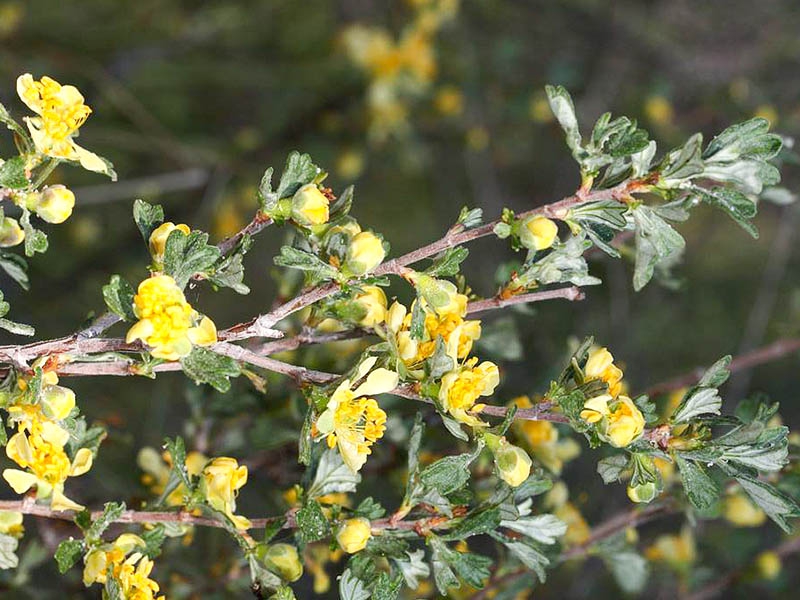
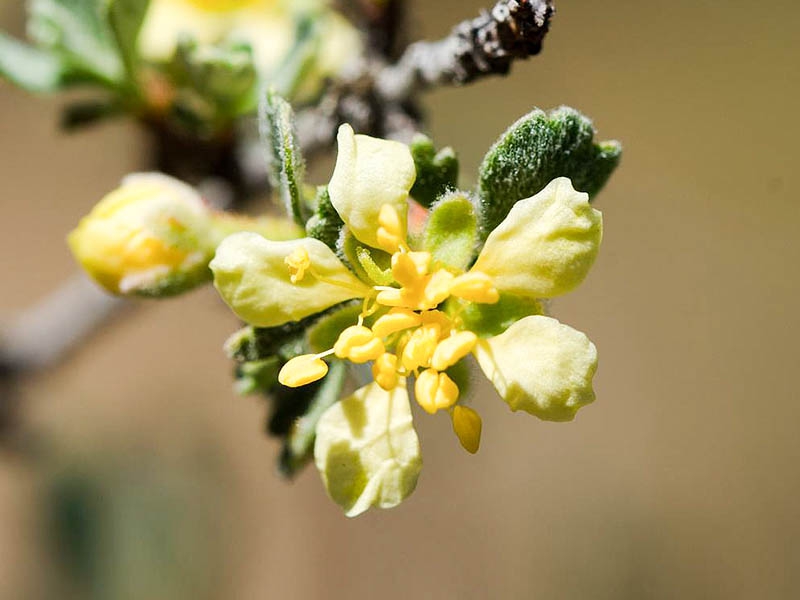
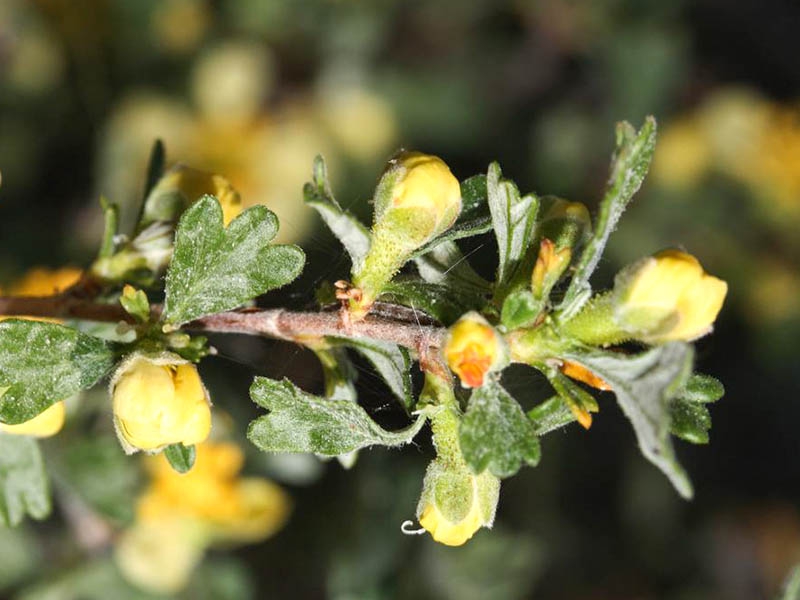
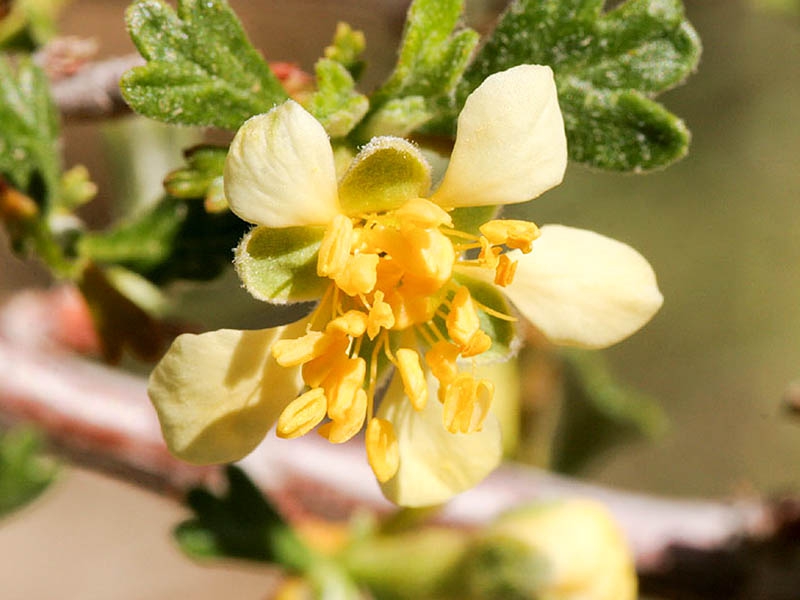
Purshia tridentata is a shrub native to North America that thrives primarily in dry, mountainous regions. This plant possesses the following characteristics regarding growth, propagation, cultivation, garden uses, and important pests and diseases, as well as control methods. Growth Characteristics - Environment: It grows well in dry, sunny locations. It prefers well-drained soil and is tolerant of poor conditions. - Appearance: It is a shrub that typically grows to a height of 1–3 meters, featuring small, triangular leaves. - Flowers: It blooms with yellow flowers from spring to summer, and its fragrance attracts bees and butterflies. Propagation Methods - Seed Propagation: Purshia tridentata is primarily propagated by seeds. Seeds can be sown directly in the spring or collected in the fall and sown the following spring. - Cuttings: Semi-hardwood cuttings can be taken during the summer. The success rate may be somewhat lower compared to seed propagation. Cultivation Methods - Water Management: Water regularly during the initial establishment period, but it prefers dry conditions once established. - Soil Management: No special soil improvement is required; sufficient drainage is sufficient. - Pruning: Periodic pruning is not necessary, but shaping pruning is possible as needed. Garden Use - Landscaping: Suitable for creating natural landscapes and fits well in dry gardens or biotopes. - Ecological Value: It attracts bees and butterflies, contributing to increased ecosystem diversity. Important Pests and Control Methods - Pests and Diseases: It is relatively resistant to pests and diseases, and no specific pests to which it is particularly sensitive are known. However, care should be taken regarding root rot caused by excessive moisture. - Control Methods: Maintain a natural growing environment, and organic insecticides can be used if necessary. Pursia tridentata is an easy-to-manage plant provided the right environment, making it a beneficial choice for both landscaping and ecological value.
Plant Type
Plant Family
Rosaceae
Height
60~180cm
Spread
120~180cm
Colors
yellow
Bloom Period
May to July
Water Needs
commonly
Exposure
Sunny
Freezing Resistance
-30°C
Baby pomegranate tree
Punica granatum var. nana
Puskkinia Skilloides
Puschkinia scilloides