English
한국어
English
Español
中文
हिंदी
Home
News
Community
Dictionary
English
한국어
English
Español
中文
हिंदी
View list
Puskkinia Skilloides
Puschkinia scilloides
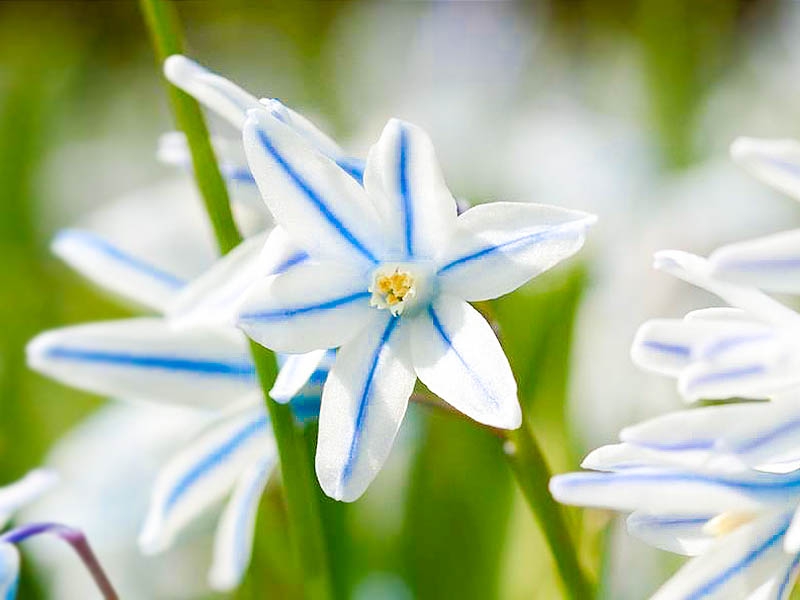
Puschkinia scilloides is well known as a beautiful spring flower, and its characteristics, propagation, cultivation methods, garden uses, and pest and disease management are as follows. Growth Characteristics: - It is a low-growing plant, approximately 10–15 cm in height, with long, narrow, and bright green leaves. - It primarily blooms in spring with white or light blue flowers; the flowers are bell-shaped, small, and densely clustered. - It can withstand cold winters and prefers sunny locations. Propagation Methods: - The main propagation method is division using bulbs; bulbs are divided and planted in the autumn. - Propagation by seeds is also possible, but growth is slow and it takes a long time for the plant to bloom. Cultivation Methods: - It is planted in well-drained soil and prefers well-watered soil. - When planting bulbs, ensure the top of the bulb is buried about 5 cm into the soil. - It does not require significant special care, but be careful not to overwater. Uses in the Garden: - Pushkinia scylloides is primarily used to create low borders at the front of flower beds or along borders. - Planting it alongside other spring flowers can create a colorful spring landscape. Important Pests and Control Methods: - It is generally resistant to pests, but fungal diseases may occur in excessively humid environments. - To prevent disease, ensure good ventilation and maintain a well-drained environment. - While specific other pests are not a major issue, it is recommended to remove aphids immediately if they are spotted. Pushkinia scylloides is popular among many gardeners because it is easy to care for and produces beautiful flowers. With proper care and the right environment, it will bring welcome news of spring every year.
Plant Type
Plant Family
Broom family
Height
15~20cm
Spread
2~5cm
Colors
white, blue
Bloom Period
March to April
Water Needs
commonly
Exposure
Sunny
Freezing Resistance
-10°C
Pyrus tridentata
Purshia tridentata
Picnanthem virginianum
Pycnanthemum virginianum