English
한국어
English
Español
中文
हिंदी
Home
News
Community
Dictionary
English
한국어
English
Español
中文
हिंदी
View list
Three-horned stonecrop
Pyrrosia hastata
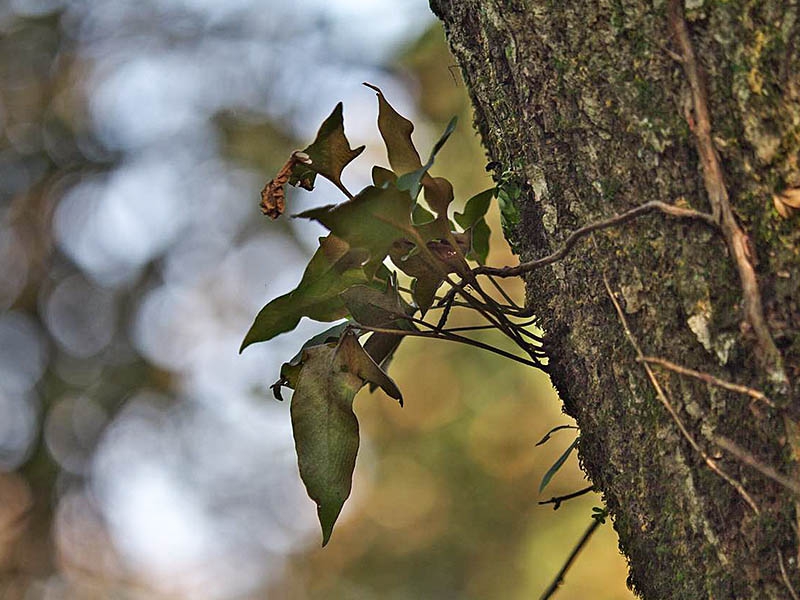
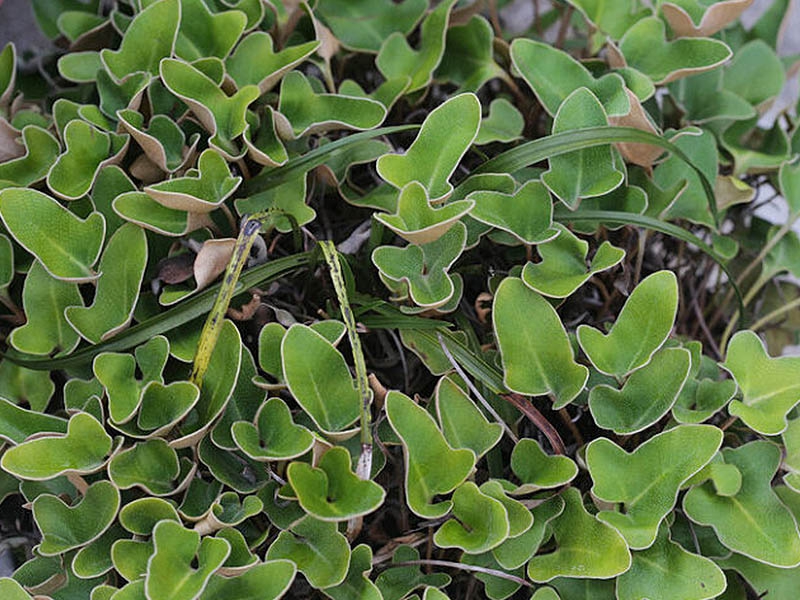
Growth Characteristics of Pyrrosia hastata Pyrrosia hastata is an evergreen perennial fern that grows as an epiphyte, primarily attached to the surfaces of rocks or trees. Its leaves are generally thick and characterized by a leathery, glossy surface. It grows lushly in suitable environments and thrives in warm, humid climates. Propagation Methods Pyrrosia hastata reproduces by spores, which form on the undersides of mature leaves. Spores can be collected and germinated under appropriate conditions. Germination requires a hot and humid environment, and it is best to provide indirect light. It can also be propagated by division. Cultivation Methods - Location: Since it grows in partial shade in nature, avoid direct sunlight indoors or in gardens and place it in a location with indirect light. - Soil: It requires well-draining soil and generally grows well in soil mixed with moss or bark. 3. Watering: Water when the soil dries out, but avoid overwatering. - Temperature: It thrives in warm temperatures and can tolerate cool locations during the winter. Uses in the GardenAsplenium trichomanes harmonizes well with other plants and is useful for decorating shady areas of the garden. It is excellent for use as an epiphyte in rock gardens, along waterfronts, or in vertical gardens. It is particularly well-suited for natural garden styles. Important Pests and Control MethodsWhile Asplenium trichomanes is relatively resistant to pests and diseases, there are a few points to note. - Leaf Blight: Prevent this by avoiding overwatering and creating a well-ventilated environment. - Pests: Aphids or scale insects may appear; remove them immediately with water or soapy water upon discovery. Natural insecticides can be used if necessary. - Fungal Diseases: Prevent this by ensuring good ventilation and avoiding overwatering. If the problem persists, use antifungal agents appropriately. Triangular sedge is relatively easy to care for and is a highly adaptable plant that can be used for various purposes in the garden.
Plant Type
Plant Family
Polypodiaceae
Height
15~20cm
Spread
Colors
sporophyte
Bloom Period
Water Needs
commonly
Exposure
semi-shaded area
Freezing Resistance
-10°C
Honorubal
Pyrola dahurica
Stone tablet
Pyrrosia lingua