English
한국어
English
Español
中文
हिंदी
Home
News
Community
Dictionary
English
한국어
English
Español
中文
हिंदी
View list
wild pear
Pyrus ussuriensis
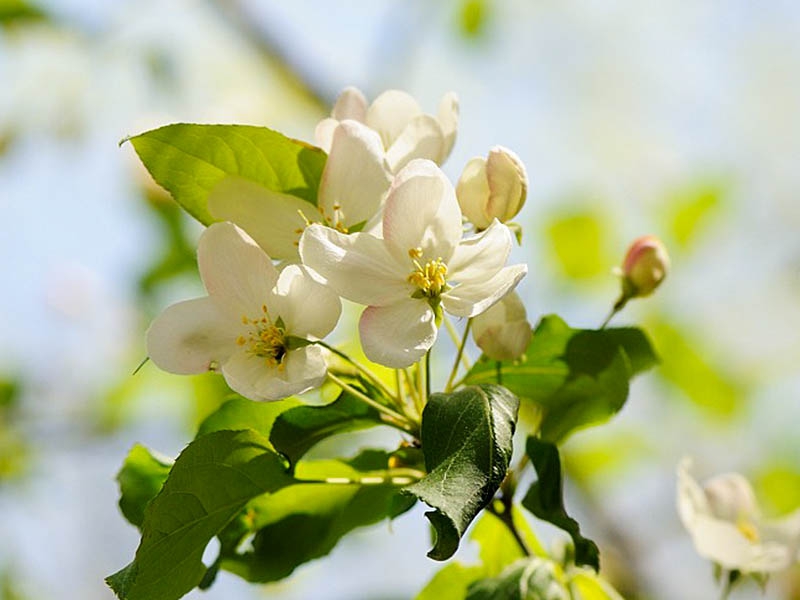
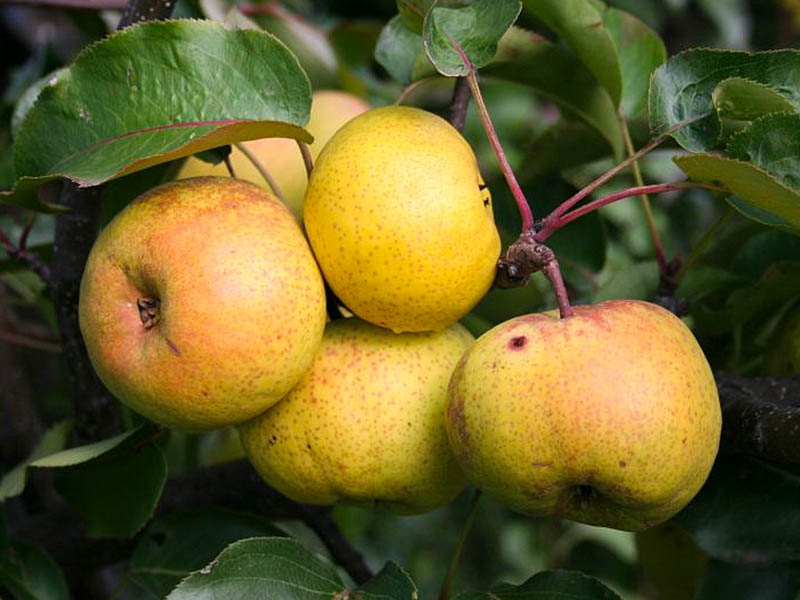
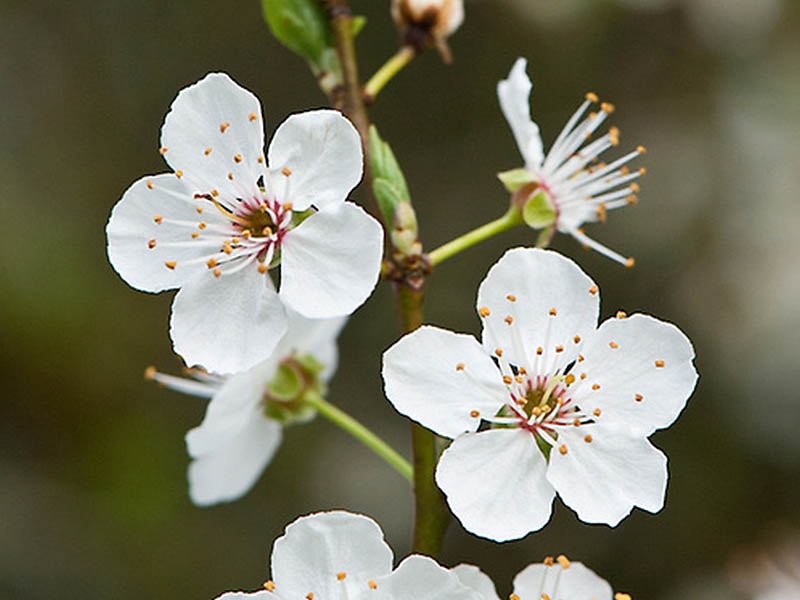
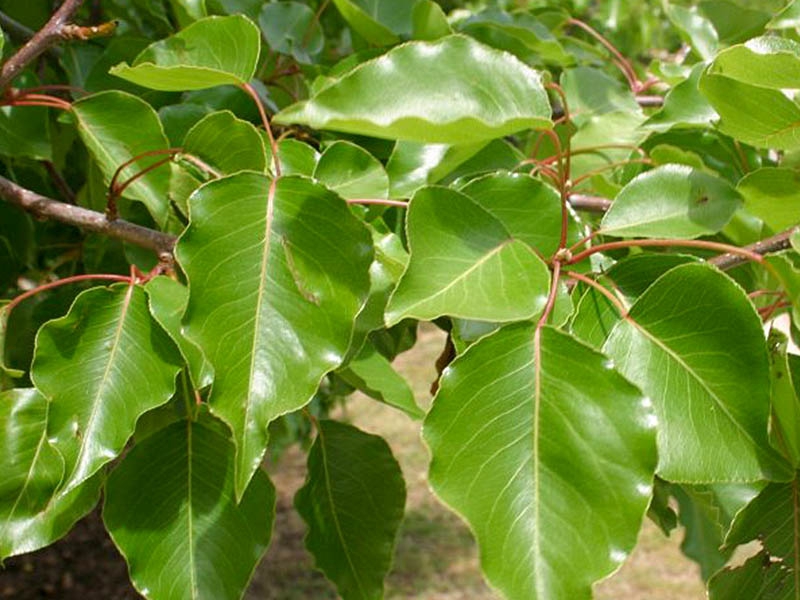
I will explain the growth characteristics, propagation methods, cultivation methods, garden uses, and major pests and diseases and control methods of the wild pear (Pyrus ussuriensis). Growth Characteristics The wild pear is a deciduous fruit tree that occurs naturally in Korea, China, and the Ussuri region of Russia. This plant is resistant to cold and can withstand temperatures down to approximately -30°C. It mainly grows in alpine regions or at forest edges, reaching a height of about 5 to 20 meters. White flowers bloom in the spring, and golden fruit ripens in the autumn. It is characterized by its excellent soil adaptability, allowing it to thrive in various environments. Propagation Methods The wild pear is primarily propagated by seeds or grafting. For seed propagation, seeds are collected from mature fruit in the autumn, dried at room temperature during the winter, and stored. Sowing takes place in the spring, and cold treatment may be necessary to increase the germination rate. For grafting, other pear trees of the same genus are usually used as rootstock. Cultivation Methods Wild pears thrive best in well-drained soil, with slightly acidic to neutral soil having a pH of approximately 6.0 to 7.5 being suitable. It is important to select a sunny location for planting and maintain soil conditions with good drainage. Consistent watering is necessary after planting, and sufficient amounts of water and fertilizer are required during the growing season. Regular pruning improves ventilation and helps prevent pests and diseases. Uses in Gardens Wild pears are popular as garden trees due to their beautiful flowers and fruit. In particular, the spring flowers and the autumn fruit and foliage enhance the landscape, making them well-suited for naturalistic or wild gardens. Major Pests and Control Methods Wild pears can be damaged by fungal diseases such as sooty mold and black spot, as well as pests like aphids and gall midges. Fungal diseases can be prevented through proper pruning and ventilation management, and treatments such as lime sulfur mixture can be used if necessary. Pests such as aphids can be eliminated by using diluted soapy water when they first appear, or natural predators like ladybugs can be utilized for biological control. Chemical control should be considered if the pest infestation is severe. Overall, wild pears are relatively easy to manage, but it is important to pay sufficient attention during the early stages to promote healthy growth.
Plant Type
Plant Family
Rosaceae
Height
10m
Spread
Colors
white
Bloom Period
May
Water Needs
commonly
Exposure
Sunny
Freezing Resistance
-40°C
Baby stonecrop
Pyrrosia petiolosa
wild pear tree
Pyrus pyrifolia