English
한국어
English
Español
中文
हिंदी
Home
News
Community
Dictionary
English
한국어
English
Español
中文
हिंदी
View list
wild pear tree
Pyrus pyrifolia
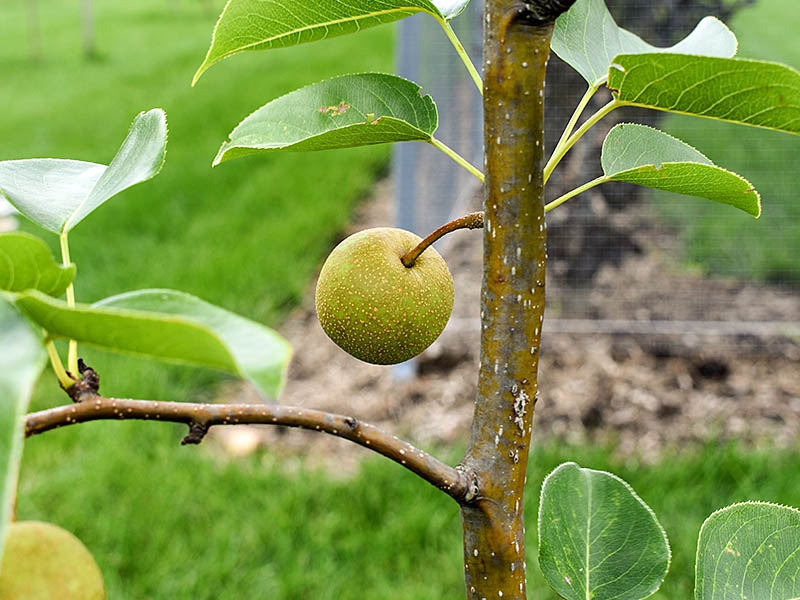
The following is a summary of the various characteristics of Pyrus pyrifolia. Growth CharacteristicsPyrus pyrifolia is a medium-sized deciduous fruit tree that can typically grow up to 10 meters in height. This tree thrives in warm, humid climates and prefers sunny locations. It also has ornamental value as its leaves change color with the seasons. Propagation MethodsPyrus pyrifolia can be propagated by seeds, grafting, or cuttings. Commercially, it is primarily propagated via grafting to maintain the variety's characteristics and promote rapid growth and fruiting. Cultivation Methods - Soil: Fertile, well-drained soil is suitable. The soil pH should be slightly acidic to neutral (6.0–7.0). - Watering: Provide sufficient water during the initial stages to aid root development. Subsequently, avoid overwatering and water only when the soil is dry. 3. Fertilization: Regular fertilization is necessary; applying nitrogen fertilizer, especially in the spring, promotes growth. Avoid excessive nitrogen fertilization. - Pruning: Prune in the winter to maintain the tree's shape and prevent pests and diseases. Uses in GardensThe wild pear tree is highly popular as an ornamental plant in gardens due to its beautiful flowers. It is also widely cultivated in orchards because of its delicious fruit. Its high water retention makes it suitable as a landscaping tree. Important Pests and Diseases & Control Methods - Diseases: - Black Spot: Occurs mainly when humidity is high, causing black spots on leaves and fruit. Promptly remove diseased leaves and branches and use appropriate fungicides. - Fire Blight: Characterized by irregular drying symptoms; cut off and burn the infected parts. Use copper-based fungicides to prevent infection. - Pests: - Aphids: Inhibit growth by sucking sap. Control them using natural enemies or eco-friendly insecticides. - Fruit tree brown borer: The larvae cause damage by feeding on the leaves. Remove the larvae early in the season and use specialized insecticides. You can cultivate healthy wild pear trees through consistent care and pest prevention.
Plant Type
Plant Family
Rosaceae
Height
5~20m
Spread
Colors
white
Bloom Period
April~May
Water Needs
commonly
Exposure
Sunny
Freezing Resistance
-30°C
wild pear
Pyrus ussuriensis
Pear tree
Pyrus calleryana var.fauriei