English
한국어
English
Español
中文
हिंदी
Home
News
Community
Dictionary
English
한국어
English
Español
中文
हिंदी
View list
Wild pear tree 'Chojuro'
Pyrus pyrifoli
'Chojuro'
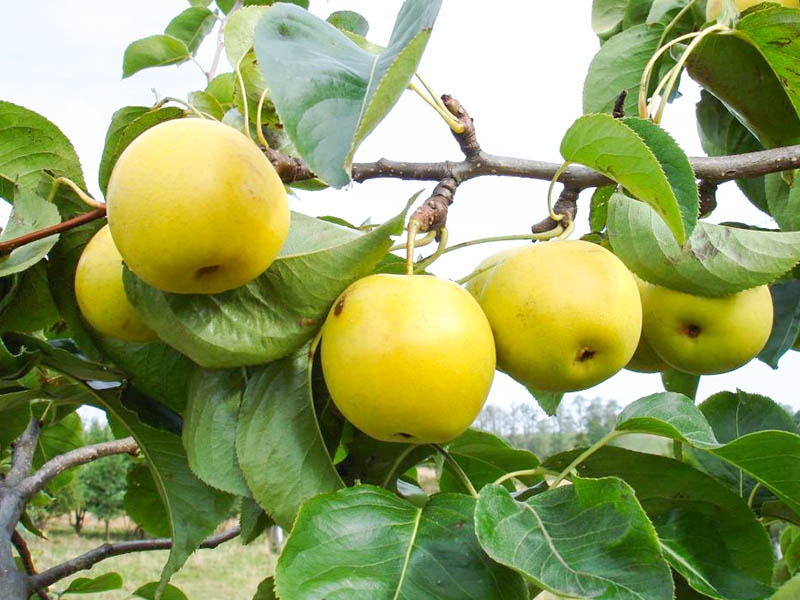
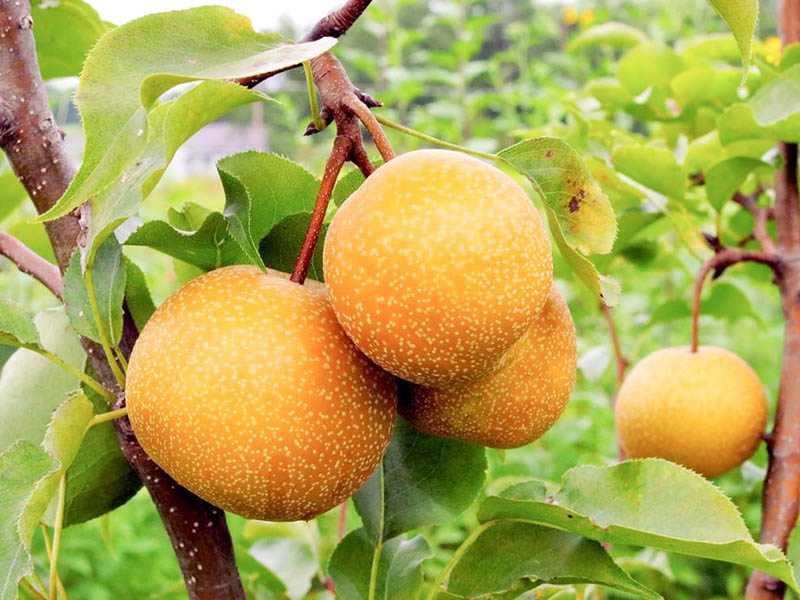
The wild pear 'Chojuro' (Pyrus pyrifolia 'Chojuro') is a variety of Asian pear that is particularly popular for its crisp texture and sweet taste. The following describes the growth characteristics, propagation methods, cultivation methods, garden uses, and major pests and diseases and control methods for 'Chojuro'. - Growth Characteristics: - 'Chojuro' is a medium-sized tree with a relatively fast growth rate. - Flowers bloom in the spring. Beautiful white blossoms cover the tree, aiding in pollination. - The fruit is yellowish-brown and round, offering a sweet taste and crisp texture when mature. - It is resistant to low temperatures and thrives even in warm climates. - Propagation Methods: - It is primarily propagated through grafting or cuttings. - When grafting, using a sturdy rootstock variety increases the success rate. - Cuttings should be taken in spring or autumn, and rooting agents may be used to promote root development. - Cultivation Methods: - Planting in a sunny location is essential for expecting an abundant harvest. - Select well-draining soil and improve it by mixing in organic matter if necessary. - Water sufficiently, but avoid overwatering. - In winter, prune branches appropriately to shape the plant and regulate fruit yield. - Use in Gardens: - 'Chojuro' is excellent as a garden tree due to its outstanding decorative effect. - It offers different beauty throughout the seasons through its flowering and fruiting periods. - It blends harmoniously with lawns and other landscaping plants. - Major Pests and Diseases and Control Methods: - Diseases: Brown spot and black spot may occur. Ensure good ventilation for prevention and use preventive agents if necessary. - Pest Infestations: Aphids, moths, and other pests may occur. These pests should be inspected periodically and controlled immediately upon detection; using organic insecticides or natural enemies may also be considered. - It is important to detect pests and diseases early through regular inspections and control them proactively. Through these management methods, the wild pear tree 'Chojuro' can be cultivated in a vigorous and healthy state.
Plant Type
Plant Family
Rosaceae
Height
2.4~3m
Spread
180~210cm
Colors
white
Bloom Period
April to August
Water Needs
commonly
Exposure
Sunny
Freezing Resistance
-30°C
Wild pear tree 'Hosui'
Pyrus pyrifolia 'Hosui'
Snowberry
Pyrus × nivalis