English
한국어
English
Español
中文
हिंदी
Home
News
Community
Dictionary
English
한국어
English
Español
中文
हिंदी
View list
European pear tree 'Comis'
Pyrus communi
'Comice'
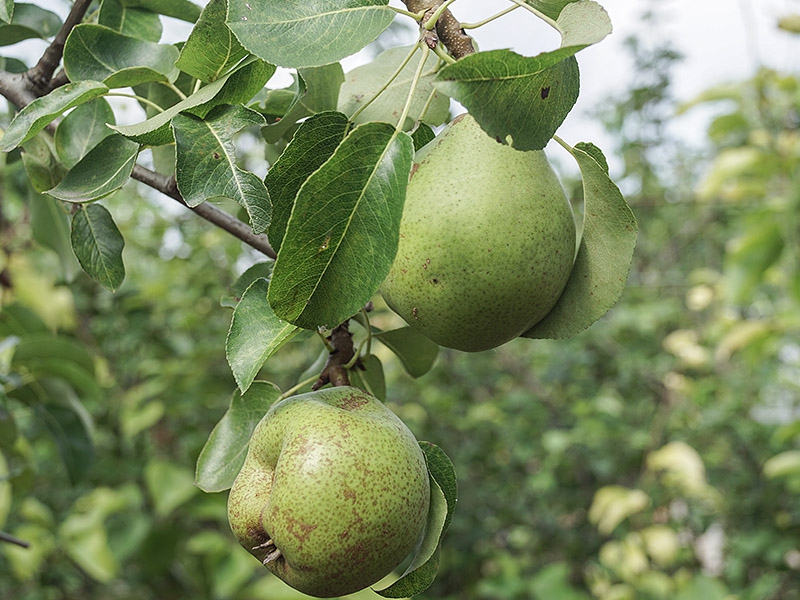
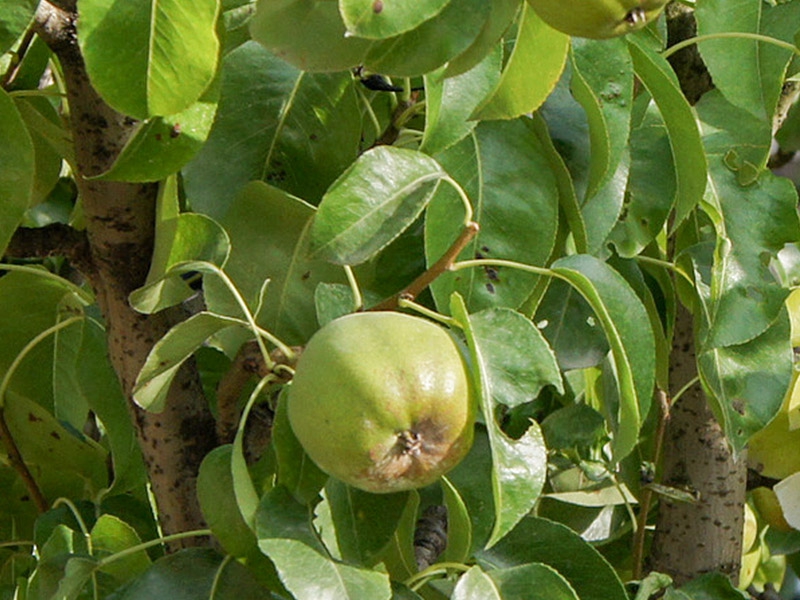
The European pear 'Comice' (Pyrus communis 'Comice') is a variety well-known for its rich flavor and soft texture. The following describes the growth characteristics, propagation methods, cultivation methods, garden uses, major pests and diseases, and control methods for 'Comice'. Growth Characteristics - Growth Habits: 'Comice' grows into a medium to large-sized tree with an upright branch structure. - Harvest Season: Harvesting generally takes place in the autumn, although the exact timing may vary depending on the growing region and climate. - Fruit Characteristics: The fruit is large and predominantly green, though red may appear in patches. The flesh is very soft and sweet. Propagation Methods - Grafting: 'Comice' is primarily propagated by grafting onto pear rootstock to increase productivity. The grafting season is generally winter or early spring. - Cuttings: While cuttings are possible, the success rate is low, so grafting is the most commonly used method. Cultivation Methods - Soil: It thrives in fertile, well-drained soil. A soil pH of slightly acidic to neutral (6.0–7.0) is suitable. - Location: A location that receives ample sunlight is ideal. A well-ventilated area is recommended as proper air circulation is necessary. - Watering: Adequate water supply is important, but poor drainage can lead to root rot. - Pruning: Regular pruning maintains the tree's shape, prevents pests and diseases, and increases fruit productivity. Uses in the Garden - Ornamental: As an exotic fruit tree, 'Comis' can serve as a focal point in the garden. The spring blossoms and autumn harvest create a spectacular sight. - Edible: The fruit can be eaten fresh or processed into jam, juice, and other products. Major Pests and Control Methods - Black Spot: This disease forms black spots on the fruit and leaves; it should be controlled using appropriate pesticides. - General Diseases: In addition to chemical control, these can be prevented through regular pruning and proper maintenance. - Pests: Pests that primarily feed on the leaves and fruit of pear trees may occur; control them by using insecticides appropriate for these pests. 'Comis' is a tree that requires careful management and proper maintenance. If you understand the characteristics of this variety and manage it well, you can expect an abundant fruit harvest.
Plant Type
Plant Family
Rosaceae
Height
3.6~6m
Spread
2.4~6m
Colors
white
Bloom Period
April to August
Water Needs
commonly
Exposure
Sunny
Freezing Resistance
-30°C
Harrow Sweet pear tree
Pyrus communis 'Harrow Sweet'
Western pear tree 'Bosque'
Pyrus communis 'Bosc'