English
한국어
English
Español
中文
हिंदी
Home
News
Community
Dictionary
English
한국어
English
Español
中文
हिंदी
View list
Round-leaved morning glory
Quamoclit coccinea
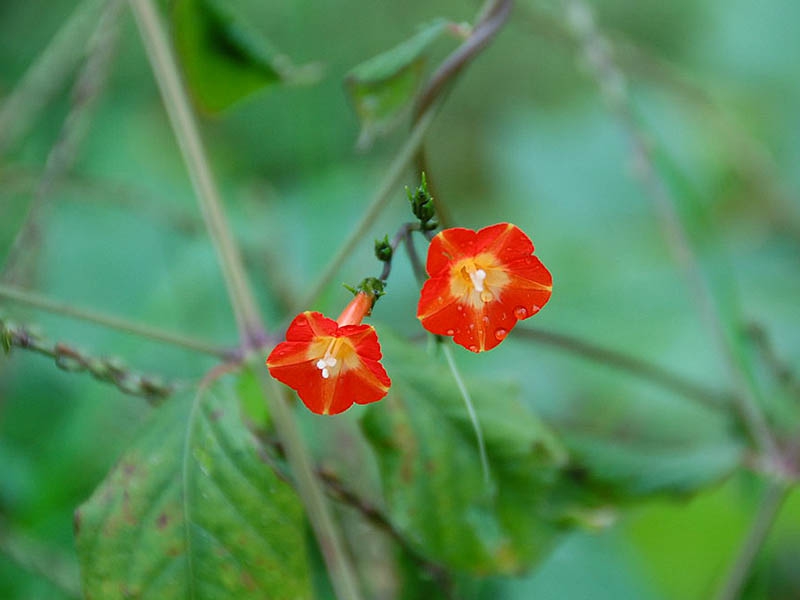
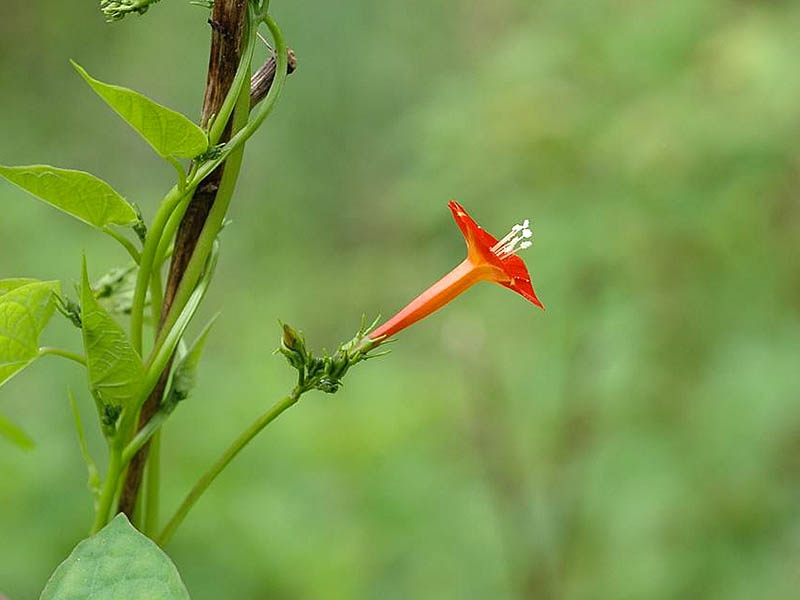
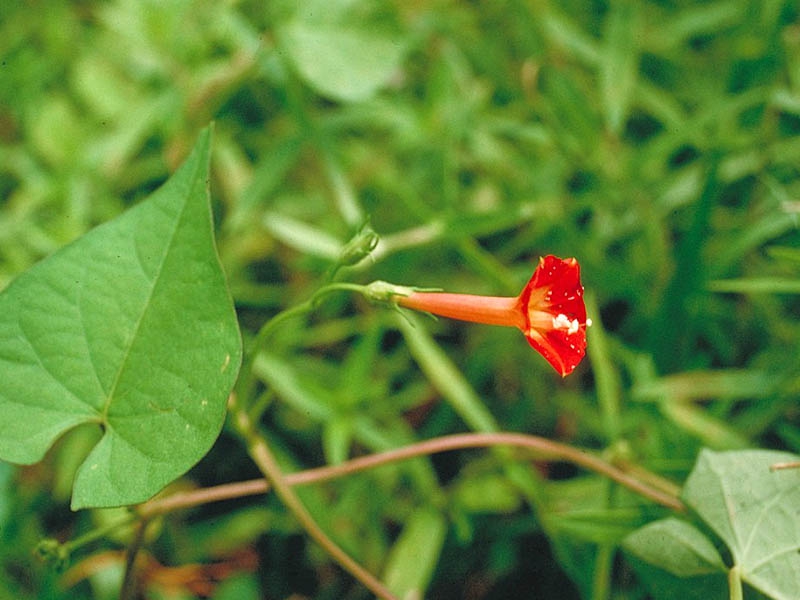
Quamoclit coccinea is one of the most popular garden plants due to its beautiful flowers. The following describes the plant's growth characteristics, propagation methods, cultivation methods, uses in the garden, major pests and diseases, and control methods. Growth Characteristics - Scientific Name: Quamoclit coccinea - English Name: Red Cypress Vine - Temperature: Prefers warm climates and thrives in frost-free regions. - Sunlight: Likes ample sunlight but can grow in partial shade. - Soil: Grows well in well-drained soil and prefers neutral to slightly acidic soil. Propagation Methods - Seed Propagation: Primarily propagated by seeds. Germinate seeds indoors in the spring or plant them directly outdoors once temperatures warm up. - Germination Conditions: Soaking seeds in lukewarm water for a few hours before planting increases the germination rate. Cultivation Methods - Planting: Plant in a well-draining pot or in the garden. Use mulch to retain moisture and suppress weed growth. - Watering: Water regularly, but avoid excessive watering. - Fertilizer: Apply an appropriate amount of general plant fertilizer during the growing season. Uses in the Garden- Morning Glory is suitable for garden decoration due to its showy flowers and vining tendencies. It can be planted on hedges, arches, trellises, etc., to encourage vine growth. Important Pests and Control Methods - Pests and Diseases: It is relatively resistant to pests and diseases, but caution should be exercised regarding pink blight and aphids. - Control Methods: - Pink Blight: Prevent by avoiding overwatering and ensuring good ventilation. - Aphids: Control them using soapy water or eco-friendly pesticides when they occur. This information will help you grow healthy Morning Glory (Cocchinea) and cultivate a beautiful garden.
Plant Type
Plant Family
Convolvulaceae
Height
1~2m
Spread
Colors
red, yellow
Bloom Period
August~September
Water Needs
commonly
Exposure
Sunny
Freezing Resistance
-5°C
Japanese thorn tree
Quercus phillyraeoides
cork oak
Quercus variabilis