English
한국어
English
Español
中文
हिंदी
Home
News
Community
Dictionary
English
한국어
English
Español
中文
हिंदी
View list
oak tree
Quercus acutissima
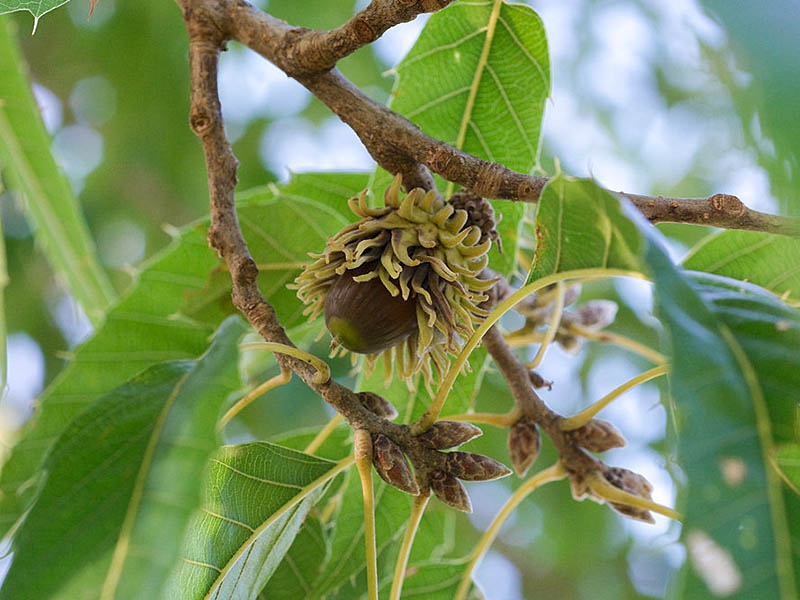
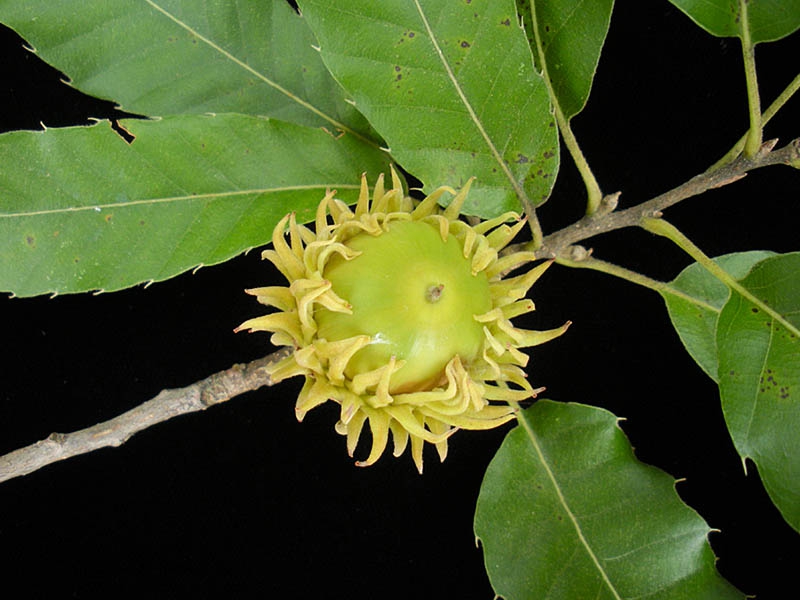
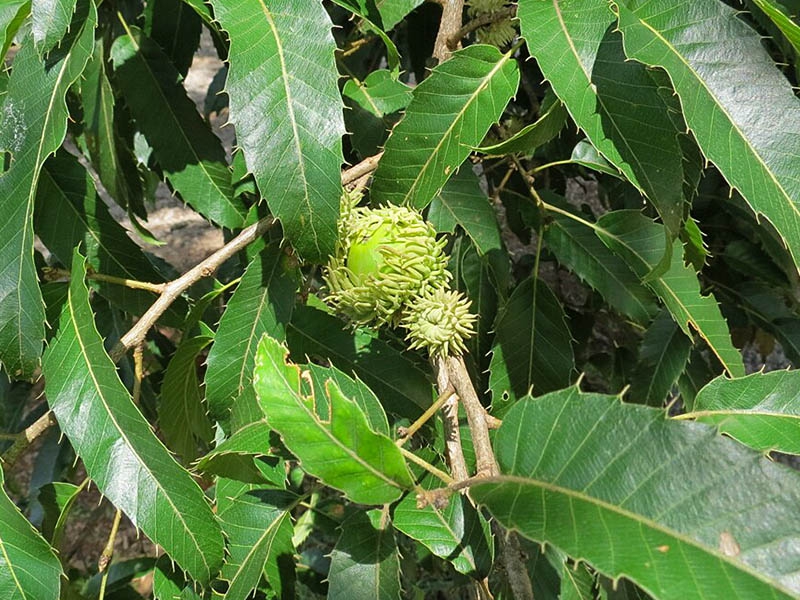
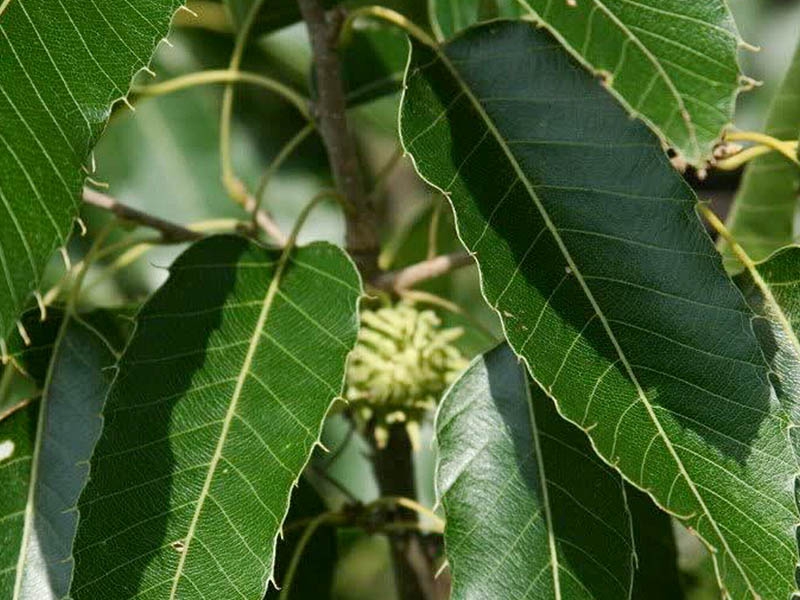
Quercus acutissima is a deciduous tall tree belonging to the oak family, native primarily to Asia. The following is a summary of this tree's growth characteristics, propagation methods, cultivation methods, garden uses, and major pests and diseases and control methods. Growth Characteristics - Growth Environment: Quercus acutissima prefers sunlight and thrives in well-drained soil. It has excellent cold and drought tolerance, allowing it to adapt to various climatic conditions. - Height and Shape: It typically grows to 15 to 25 meters, with branches spreading sideways to form a rounded shape. - Leaves and Fruit: The leaves are long oval-shaped with distinct serrations and turn yellow and red in the autumn. The fruit is an acorn, which matures in the autumn. Propagation Methods - Seed Propagation: It is best to plant acorns immediately after they mature. To increase the germination rate, it is also effective to refrigerate the seeds before winter and sow them in the spring. - Transplanting: Spring or autumn is the optimal time for transplanting seedlings. Take care to minimize damage to the roots. Cultivation Method - Soil Preparation: Prepare well-drained yet nutrient-rich soil. A pH of neutral to slightly acidic is suitable. - Watering: Consistent watering is required in the early stages, but additional watering is not necessary once the tree matures. - Fertilizer: To support rapid growth during the growing season, an appropriate amount of organic fertilizer can be applied every spring. Use in the Garden - Landscape: The Acutissima oak is large enough to provide shade, making it suitable for planting in gardens. Its beautiful foliage enriches the autumn landscape. - Ecological Value: It attracts significant interest from bees and birds, enriching the garden ecosystem. Important Pests and Control Methods - Pests: Pests such as leafrollers may occur. Use appropriate insecticides or consider natural control methods. For example, one method is to plant plants that attract natural predators of pests. - Diseases: Leaf diseases such as blight may occasionally occur. Use preventive fungicides at appropriate times or remove affected parts. Although there are aspects that require care and attention, the Acutissima oak is highly adaptable to its growing environment and has high landscape value.
Plant Type
Plant Family
Oak family
Height
12~18m
Spread
Colors
yellow
Bloom Period
March to May
Water Needs
commonly
Exposure
Sunny
Freezing Resistance
-20°C
Quercus acutissima
Quercus aliena
red oak
Quercus acuta