English
한국어
English
Español
中文
हिंदी
Home
News
Community
Dictionary
English
한국어
English
Español
中文
हिंदी
View list
dogwood tree
Quercus gilva
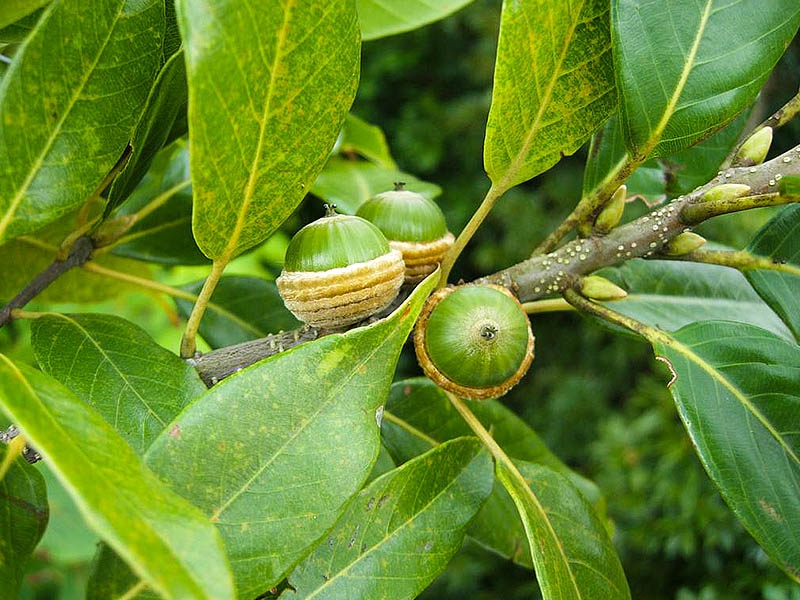
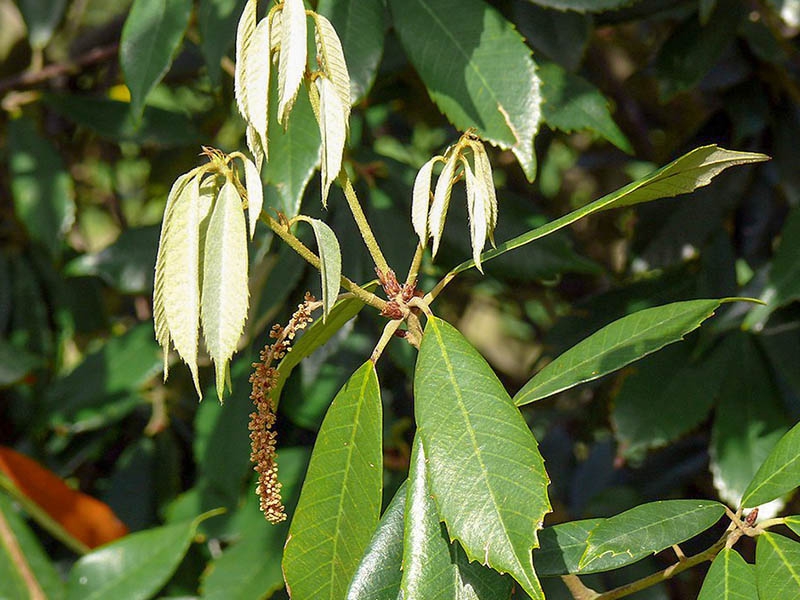
Quercus gilva possesses diverse growth characteristics and propagation methods. Let’s examine its potential for garden use, major pests and diseases, and their control methods. Growth CharacteristicsQuercus gilva is an evergreen broad-leaved tree that grows to a height of approximately 15 to 20 meters. This tree prefers a relatively warm climate and thrives in well-drained soil. Its leaves are thick, leathery, and glossy, which helps reduce water loss and increases resistance to pests and diseases. Propagation MethodsQuercus gilva is primarily propagated by seeds. Mature acorns can be collected in the autumn and sown directly, or stored in the refrigerator and sown in early spring. Adequate moisture and temperature are crucial for germination. Germination may take anywhere from a few weeks to several months after sowing. Cultivation Methods- Soil: It is important to select well-drained soil. Root rot may occur if the soil is too wet. - Watering: Water thoroughly during the initial settling period, but it is tolerant of dryness to some extent once established. - Light: It prefers full sun but can grow in partial shade. - Pruning: The shape can be adjusted by pruning as needed. Uses in the Garden The Korean holly (Prunus serrata) is a shade-providing tree, making it suitable for gardens or parks. Its thick, glossy leaves enhance the landscape. Additionally, its resistance to wind makes it useful as a windbreak. Important Pests and Control Methods - Powdery Mildew: Powdery mildew is a disease characterized by white, powdery mycelia on the leaves, which thrives in humid environments. To prevent it, ensure good ventilation, and use an appropriate fungicide if it occurs. - Leaf Beetles: Leaf beetles gnaw on the leaves and reduce their photosynthetic capacity. Upon early detection, it is effective to catch them by hand or use an appropriate insecticide. - Root Rot: Root rot caused by excessive moisture can be prevented by selecting well-draining soil and avoiding overwatering. The Korean holly (Gilba) is useful for garden landscaping due to its unique shape and characteristics, and can be grown healthily through proper care and preventive measures.
Plant Type
Plant Family
Oak family
Height
20m
Spread
Colors
yellow
Bloom Period
April to May
Water Needs
commonly
Exposure
Sunny
Freezing Resistance
-15°C
European oak
Quercus robur
Borealis oak
Quercus borealia