English
한국어
English
Español
中文
हिंदी
Home
News
Community
Dictionary
English
한국어
English
Español
中文
हिंदी
View list
Borealis oak
Quercus borealia
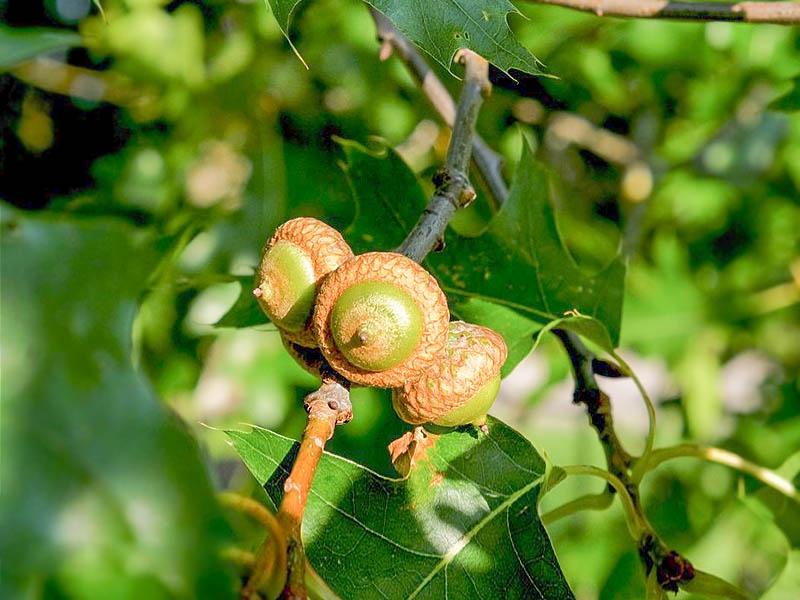
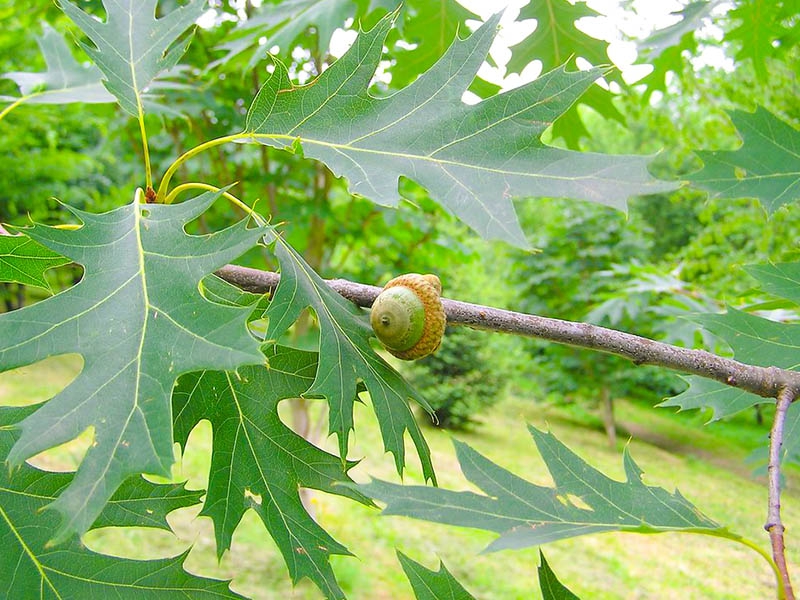
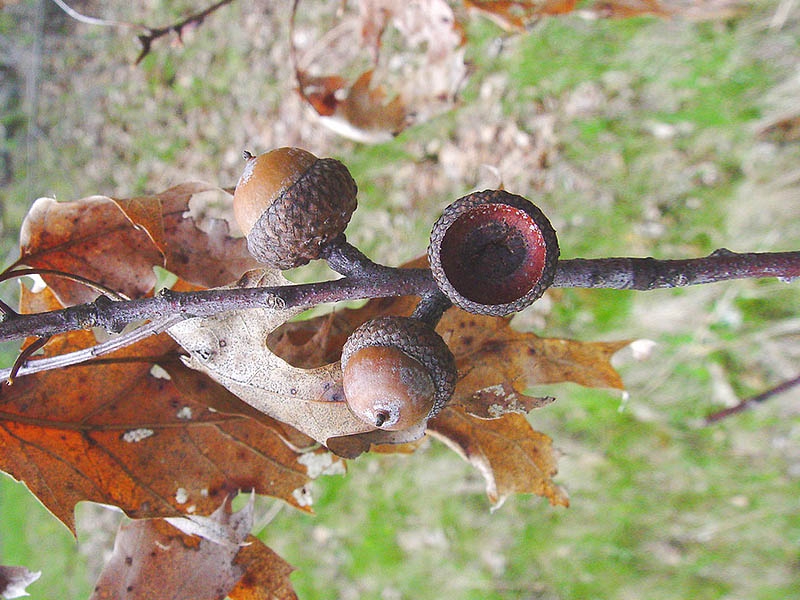
This document explains the growth characteristics, propagation methods, cultivation methods, garden uses, and major pests and diseases, as well as control methods, of the Borealis oak (Quercus borealia). Growth Characteristics The Borealis oak is a deciduous oak that thrives in cold climates. It is primarily found in forests in northern regions. It grows to a height of approximately 10 to 20 meters, and its leaves are thin and deeply lobed. This tree grows well in well-drained soil and thrives with ample sunlight. Propagation Methods This tree is primarily propagated by seeds. Mature acorns are collected in the autumn, subjected to cold treatment during the winter, and planted the following spring. While grafting and cuttings can also be used, seed propagation is the most common method. Cultivation Methods It is best to cultivate the Borealis oak in a sunny location. It is important to select well-drained soil and provide adequate moisture. For young trees, it is recommended to maintain their shape through regular pruning until they reach maturity. Uses in Gardens The Borealis oak is a suitable tree species for gardens or parks. This tree provides ample shade, creating resting spaces where one can escape the summer sun. Its beautiful tree shape makes it advantageous for landscape design. Important Pests and Diseases & Control Methods - Diseases: Borealis oaks can be susceptible to leaf blight or root rot. To prevent this, it is important to manage drainage thoroughly and periodically check the condition of the soil. - Pests: Major pests include aphids and wood borers. Upon early detection, remove them using soapy water, or use approved insecticides in severe cases. Consistent care and the provision of an appropriate environment will promote the healthy growth of the Borealis oak.
Plant Type
Plant Family
Oak family
Height
20~40m
Spread
Colors
yellow, green
Bloom Period
April to May
Water Needs
commonly
Exposure
Sunny
Freezing Resistance
-40°C
dogwood tree
Quercus gilva
Jeongneung oak
Quercus acutissima × Q. variabili