English
한국어
English
Español
中文
हिंदी
Home
News
Community
Dictionary
English
한국어
English
Español
中文
हिंदी
View list
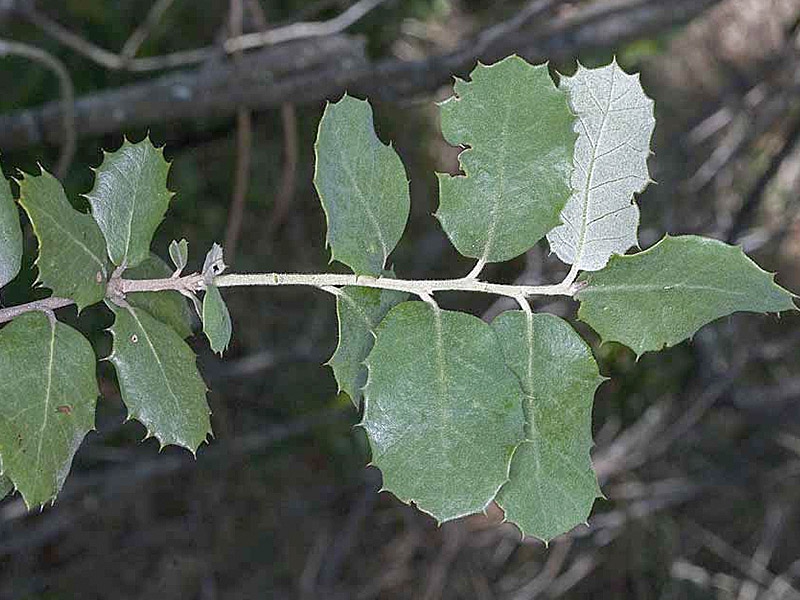
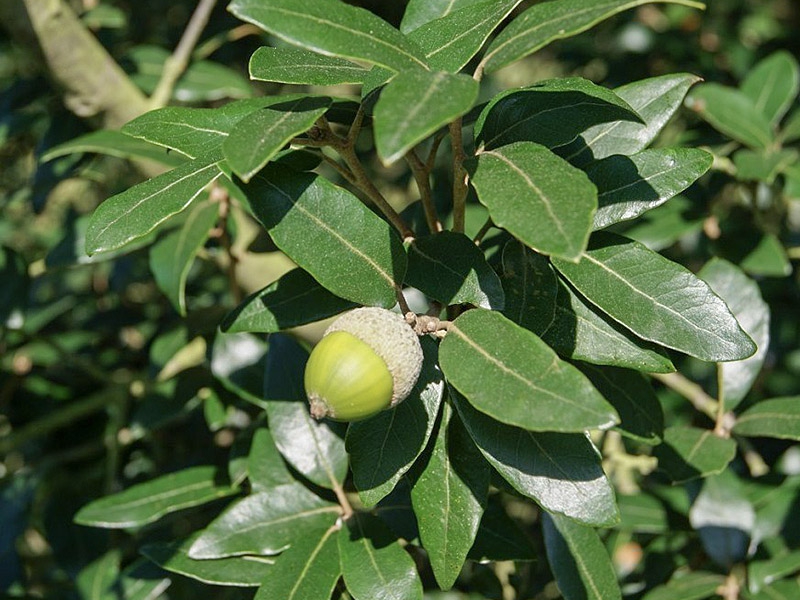
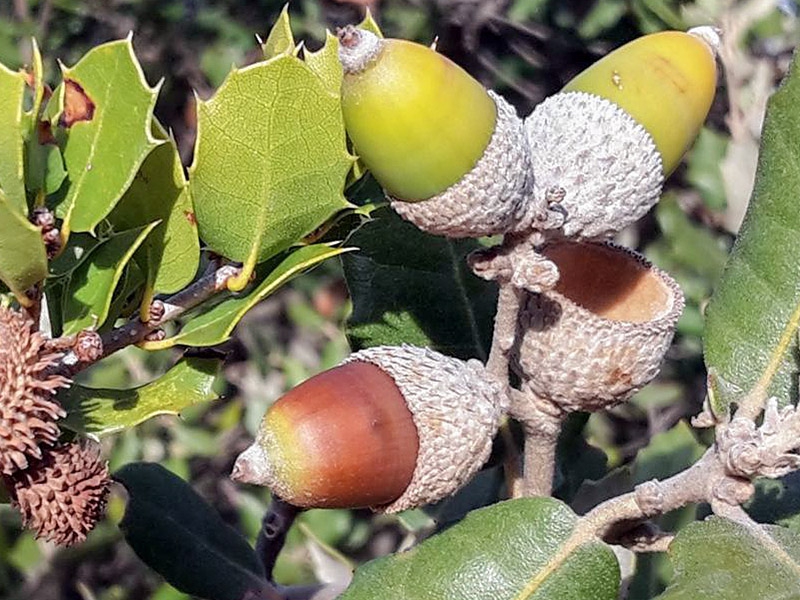
tiger-leaf thorn tree
Quercus ilex
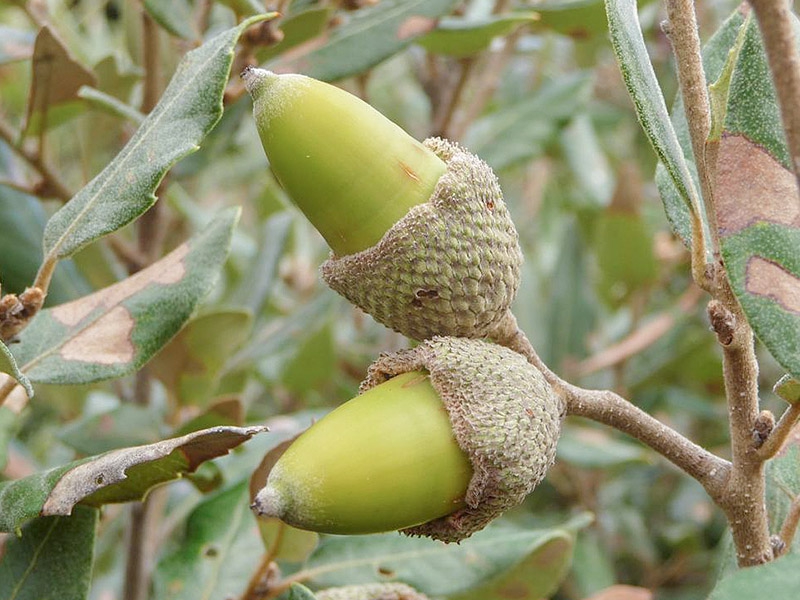
Growth Characteristics of Quercus ilex Quercus ilex is an evergreen broad-leaved tree native primarily to the Mediterranean region. This tree adapts well to dry environments and possesses resistance to high temperatures and drought. Additionally, it prefers well-drained soil that is acidic to neutral rather than deep, fertile soil. Propagation Methods Quercus ilex is primarily propagated by seeds. The tree produces acorns, which mature in the autumn. If mature acorns are collected and planted immediately without drying, natural germination is easy. It can also be propagated through methods such as grafting or cuttings. Cultivation Methods Sufficient space must be secured when planting Quercus ilex. Since the roots spread deeply, seedlings should be planted in ample space that does not significantly affect root growth. Provide sufficient water initially, and once the tree is established, reduce watering to allow it to acclimatize. It is recommended to apply an appropriate amount of organic fertilizer in the spring. Uses in the Garden The tiger thorn is highly popular as a shade tree and for hedges. As an evergreen, it maintains its greenery in the garden throughout the year. This tree is suitable for planting in gardens because it provides shade and acts as a windbreak. Important Pests and Control Methods While the tiger thorn is relatively resistant to pests and diseases, the following issues may occur under specific conditions: - Leaf Blight: Symptoms include leaves ceasing growth and drying out. In the early stages of the disease, diseased leaves should be removed, and excessive watering should be avoided. - Insects, including scale insects: Scale insects attach to the tree and absorb nutrients. Upon early detection, they can be removed using soapy water or organic insecticides. Regular observation and prompt action are crucial for preventing and controlling pests. Providing adequate water and fertilizer, along with maintaining a clean surrounding environment, helps keep the tree healthy.
Plant Type
Plant Family
Oak family
Height
12~25m
Spread
12~21m
Colors
yellow
Bloom Period
March to August
Water Needs
commonly
Exposure
Sunny
Freezing Resistance
-10°C
Gravel oak
Quercus imbricaria
Black oak vellutina
Quercus velutina