English
한국어
English
Español
中文
हिंदी
Home
News
Community
Dictionary
English
한국어
English
Español
中文
हिंदी
View list
Kiraya Saponaria
Quillaia saponaria
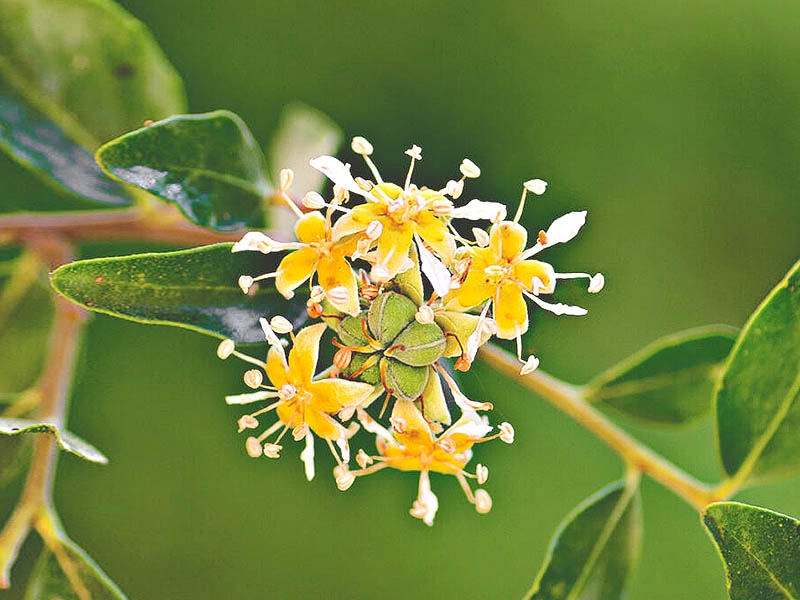
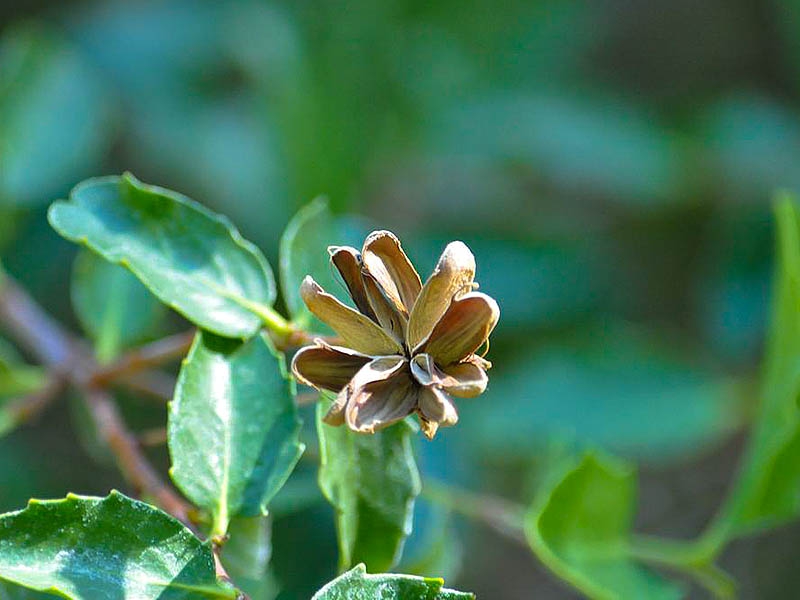
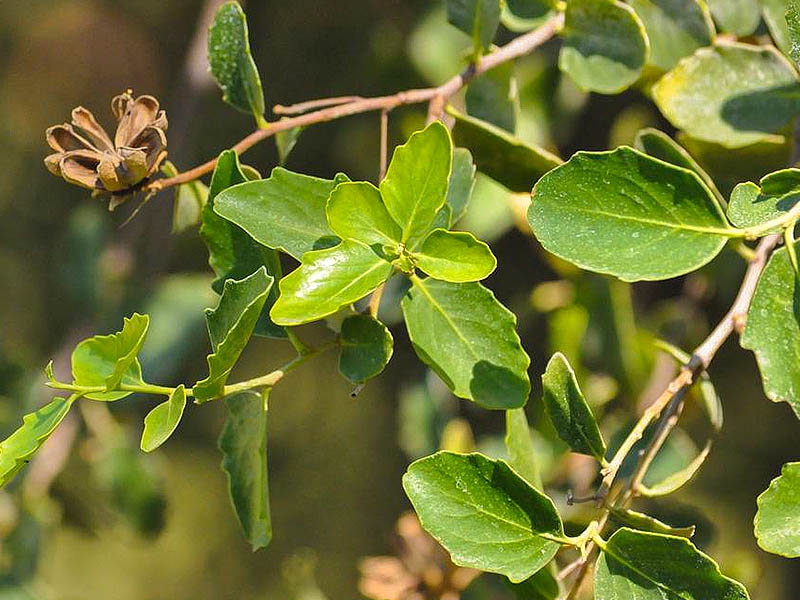
I will explain the growth characteristics, propagation methods, cultivation methods, garden uses, and major pests and diseases and control methods of Quillaia saponaria. Growth Characteristics Quillaia saponaria is an evergreen tree primarily native to Chile that can grow up to 15 to 20 meters tall. This plant prefers dry climates and thrives in a variety of soils due to its excellent adaptability. However, it grows healthiest in well-drained soil. It is highly salt-tolerant and drought-tolerant, allowing it to adapt well to urban environments. Propagation Methods Propagation is mainly achieved through seeds and cuttings. For seed propagation, seeds are collected from ripe fruit, stored in a slightly dry state, and sown in the spring. For cutting propagation, green cuttings are taken in the summer, or woody cuttings are taken in the winter. The use of rooting hormones helps increase the rooting rate. Cultivation Methods It is recommended to plant Quillaia saponaria in a location that receives plenty of sunlight. While sufficient watering is required initially, it thrives on less water once the roots are established. Since it grows relatively quickly, it is important to maintain its shape through regular pruning. Additionally, mulching is recommended in the early stages after planting to suppress weed growth. Uses in the GardenThis plant is particularly popular for providing shade and is suitable for gardens or parks that require shade. It is also resistant to pollution, so it is frequently used as a street tree in urban areas or in public spaces. Saponin extracted from the bark possesses natural surfactant properties, to the extent that it is used as an ingredient in soap. Important Pests and Control Methods Kiraya saponaria is relatively resistant to pests and diseases, but fungal diseases or pest issues may rarely occur. To prevent fungal diseases, prune the branches to ensure good ventilation and regulate watering to prevent excessive moisture. If pests appear, they can be controlled using soapy water or eco-friendly insecticides. Kiraya saponaria is a relatively easy plant to care for on its own, but it can be grown healthily through the methods mentioned above. It is suitable for various uses in the garden and is easy to care for, making it suitable for beginners.
Plant Type
Plant Family
Rosaceae
Height
9~13m
Spread
Colors
White, green
Bloom Period
April to July
Water Needs
commonly
Exposure
Sunny
Freezing Resistance
-10°C
American white oak
Quercus alba
White-flowered rhododendron
Rosa davurica f. alba