English
한국어
English
Español
中文
हिंदी
Home
News
Community
Dictionary
English
한국어
English
Español
中文
हिंदी
View list
Lavie deformis
Rabiea difformis
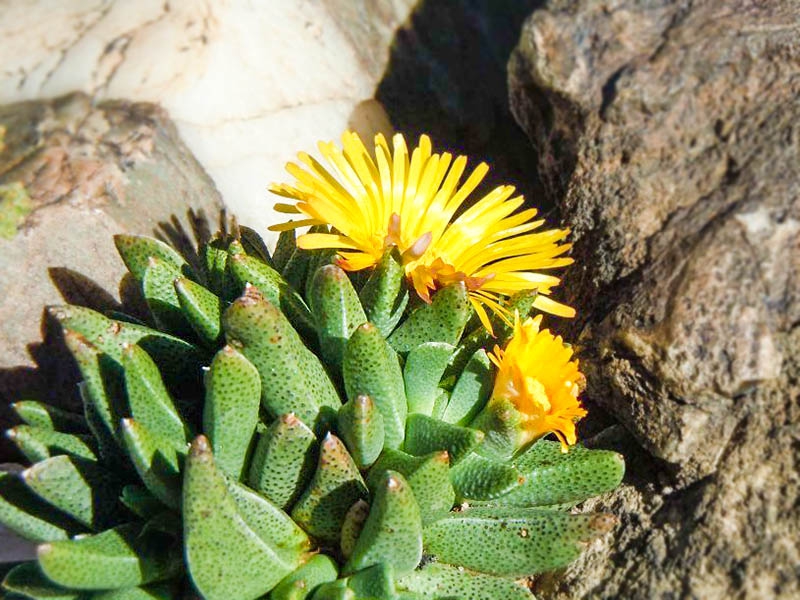
Rabiea difformis is a succulent native to South Africa that is popular as an ornamental plant due to its distinctive leaf shape and color. Below is information regarding Rabiea difformis's growth characteristics, propagation methods, cultivation techniques, garden uses, major pests and diseases, and control methods. Growth Characteristics - Temperature: It prefers a warm climate and generally thrives between 10 and 30°C. - Sunlight: While it likes strong sunlight, a location with some shade is more suitable than direct sunlight. - Soil: Well-drained sandy soil is ideal, and it prefers slightly acidic to neutral soil with a pH of around 6.0–7.5. - Watering: Avoid overwatering; it is best to water only after the soil has completely dried out. Propagation Methods - Seed Propagation: It can be propagated using seeds, which are typically sown in spring or early summer. - Cuttings: Leaf cuttings are a widely used method. After cutting off a healthy leaf and drying it, plant it in soil to allow it to root. Cultivation Methods - Pot Cultivation: Use a well-draining pot and fill it with appropriate potting soil. - Watering Regulation: It is recommended to increase the watering interval during the summer and reduce the frequency during the winter. - Fertilizer: Applying small amounts of fertilizer specifically designed for succulents during spring and summer is helpful. Garden Use - Border Planting: Its low stature makes it ideal for border planting. - Rock Gardens: It can be used in rock gardens or dry gardens, and it is best placed alongside other succulents. Important Pests and Control Methods - Pests and Diseases: Root rot caused by overwatering may occur; in this case, the amount of water should be adjusted. - Pests: While generally resistant to pests and diseases, scale insects may occasionally appear. To prevent this, regular observation and the use of available insecticides are recommended. Lavie diformis is a relatively easy plant to care for and thrives in gardens or indoors as long as a suitable environment is provided. If you follow the basic growing conditions and care methods, you can see it growing healthily.
Plant Type
Plant Family
Pomegranate family
Height
5cm
Spread
Colors
yellow
Bloom Period
March to August
Water Needs
Bad
Exposure
Sunny
Freezing Resistance
-10°C
White-flowered rhododendron
Rosa davurica f. alba
Chae Du-su
Radermachera sinica