English
한국어
English
Español
中文
हिंदी
Home
News
Community
Dictionary
English
한국어
English
Español
中文
हिंदी
View list
moss cavifolia
Radula cavifolia
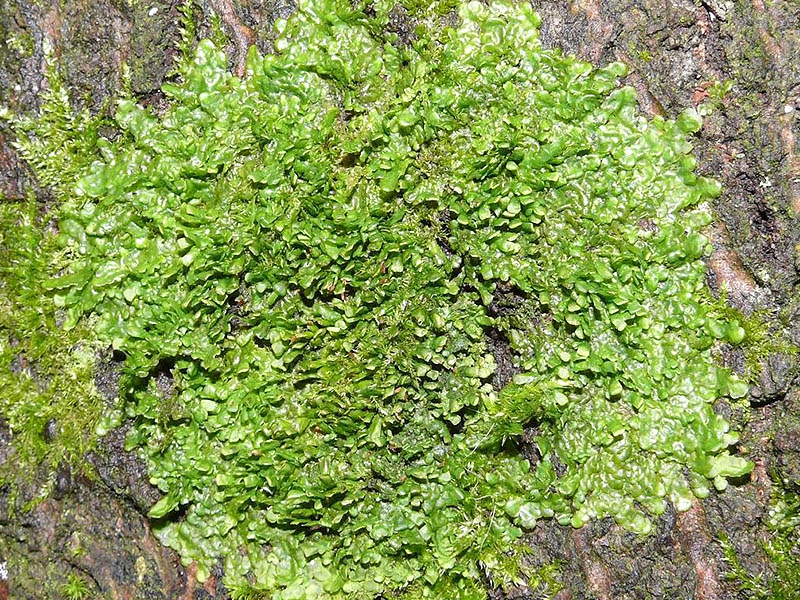
Growth Characteristics of Radula cavifolia Radula cavifolia is a small, rod-shaped moss that grows naturally in humid environments. This plant thrives in shady areas and prefers maintaining sufficient moisture. Radula cavifolia has thin, soft leaves that are predominantly green. Propagation Methods Radula cavifolia reproduces by spores. Spores are produced in the sporangia of mature plants and are released over time to settle in moist places. In suitable conditions, the spores germinate and grow into new plants. It can also be propagated by cutting off a section of the moss and transplanting it to another location. Cultivation Methods Since Radula cavifolia prefers humid environments, it is necessary to maintain appropriate humidity and indirect light during cultivation. It is best to use soil with good moisture retention, and care must be taken to prevent excessive water from accumulating. Watering should be done about 1-2 times a week, when the soil is slightly dry. Use in the Garden Mosses Caprifolia are useful for decorating shaded areas under trees or at sunset. They are excellent for creating a natural atmosphere and blend well with other plants to form a harmonious landscape. In particular, planting them near water or around ponds can enhance the natural feel. Important Pests and Control Methods While mosses are generally resistant to pests, excessive moisture and shade can lead to the occurrence of pests such as mold or bryozoans. In such cases, it is important to regulate the environment to improve airflow and manage humidity appropriately. If necessary, you can prune surrounding plants to improve ventilation or use organic pesticides.
Plant Type
Plant Family
Fan moss family
Height
3~6mm
Spread
Colors
green
Bloom Period
March to June (spore period)
Water Needs
well
Exposure
shade
Freezing Resistance
-10°C
Moss Constrictor
Radula constricta
Ramonda Miconi
Ramonda myconi