English
한국어
English
Español
中文
हिंदी
Home
News
Community
Dictionary
English
한국어
English
Español
中文
हिंदी
View list
Water chestnut
Ranunculus kazusensis
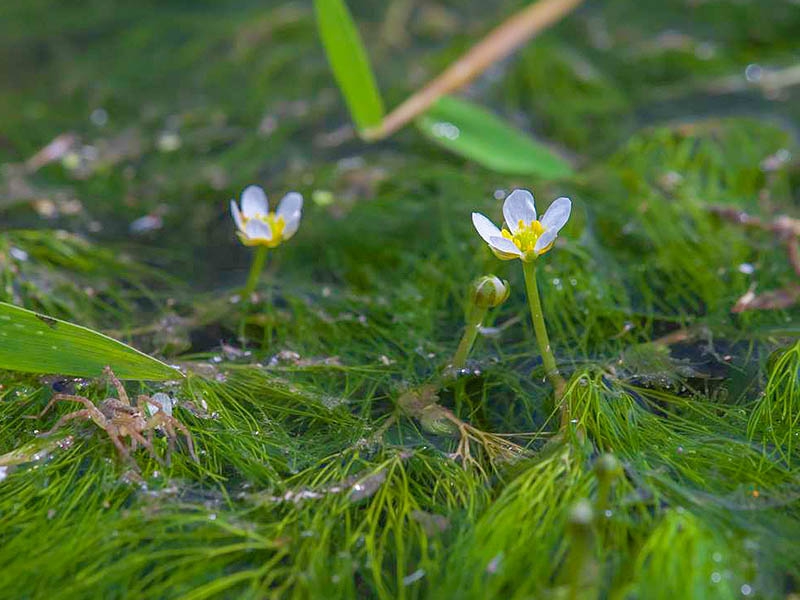
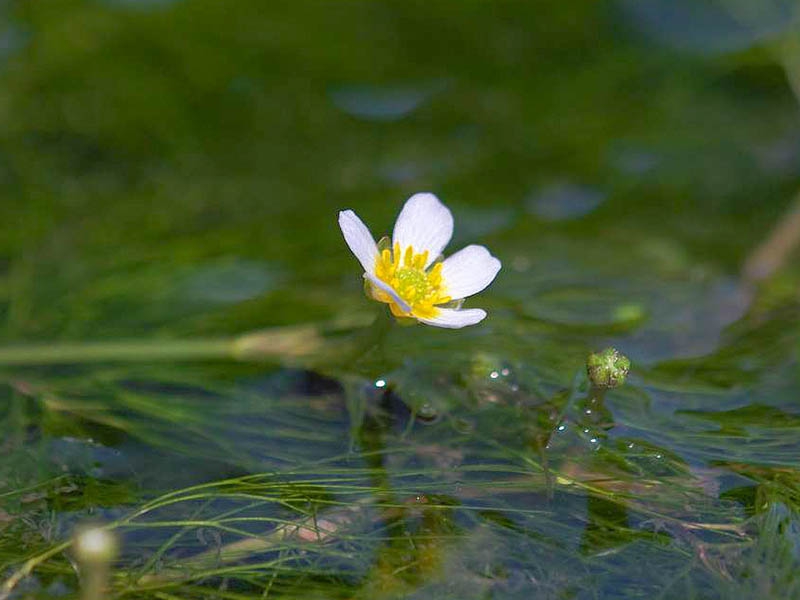
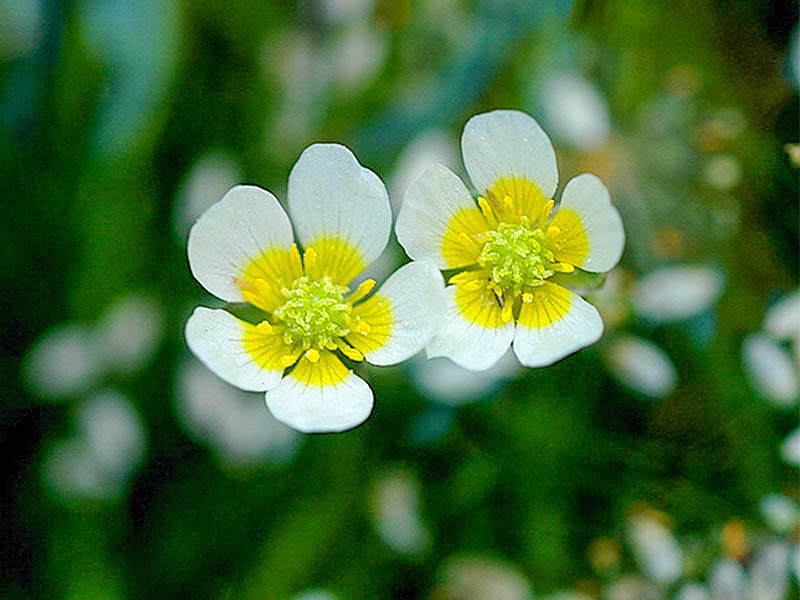
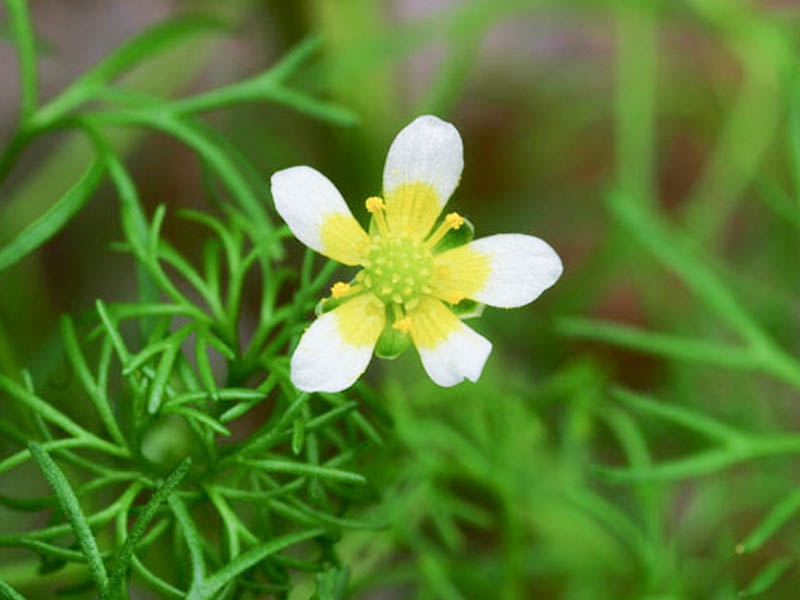
Ranunculus kazusensis possesses the following growth characteristics, propagation methods, and cultivation methods, making it suitable for garden use. It also explains major pests and diseases and control methods. Growth Characteristics Ranunculus kazusensis is a perennial herbaceous plant that prefers moist environments. It typically blooms with yellow flowers in the spring and thrives even in environments with some shade. Propagation Methods It is primarily propagated by seeds and root division. Seeds can be sown in spring or autumn, while root division is best performed in early spring. Cultivation Methods - Soil: Well-drained, moist soil rich in organic matter is suitable. - Location: It grows well in partial shade or shade, but can also be grown in locations with sufficient sunlight. - Watering: It should be watered sufficiently to maintain moisture, but excessive watering should be avoided. 4. Fertilizer: General slow-release fertilizers can be applied in spring and autumn. Uses in the GardenAs a wetland plant, Trapa natans cazucensis is useful for enhancing ecological diversity when planted in riparian areas of the garden. Additionally, its yellow flowers bring vitality to the garden and provide a decorative effect. Important Pests and Control Methods - Diseases: Root rot can occur due to excessive moisture; proper drainage management is crucial to prevent this. - Pests: Pests such as aphids may occur. Using organic insecticides or manual removal for natural control is effective. With the right environment and care, Trapa natans cazucensis is a highly suitable plant for improving landscapes and enhancing ecological value.
Plant Type
Plant Family
Ranunculaceae
Height
50cm
Spread
Colors
white
Bloom Period
April~May
Water Needs
well
Exposure
Sunny
Freezing Resistance
-10°C
Why chopsticks greens
Ranunculus silerifolius
buttercup
Ranunculus japonicus