English
한국어
English
Español
中文
हिंदी
Home
News
Community
Dictionary
English
한국어
English
Español
中文
हिंदी
View list
buttercup
Ranunculus japonicus
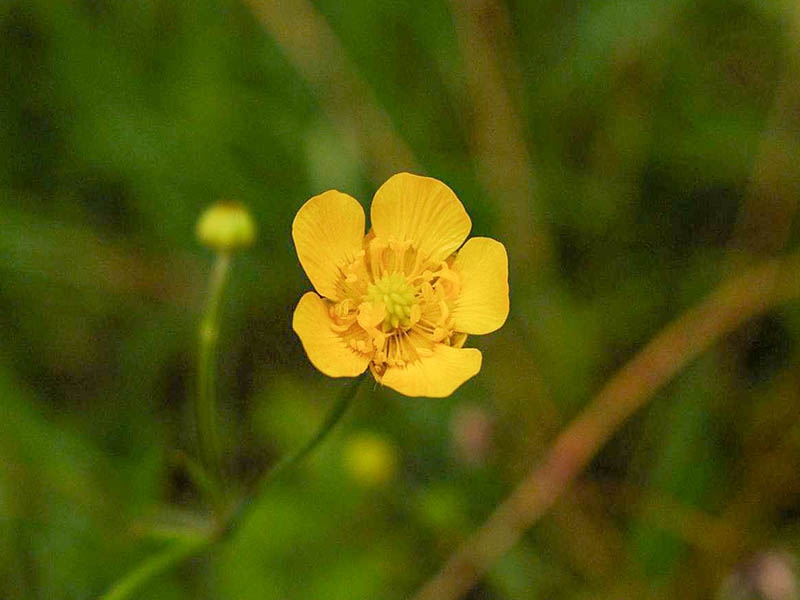
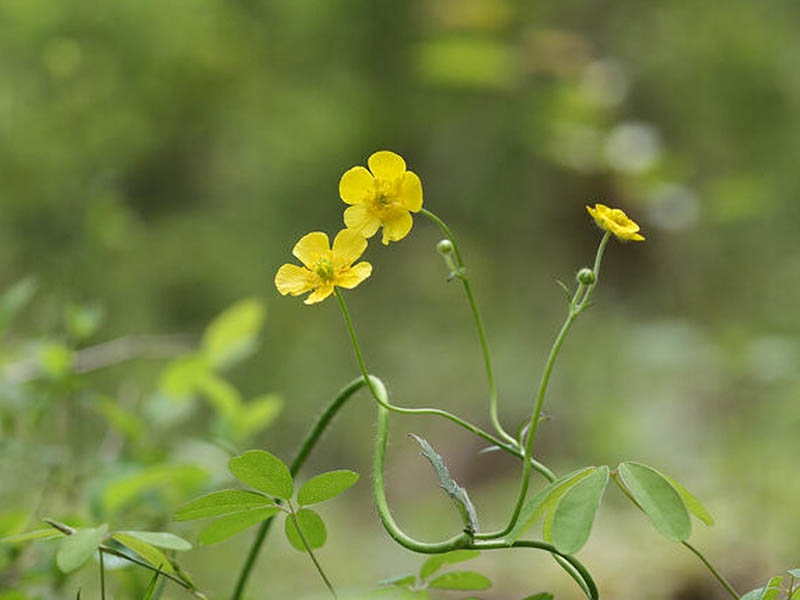
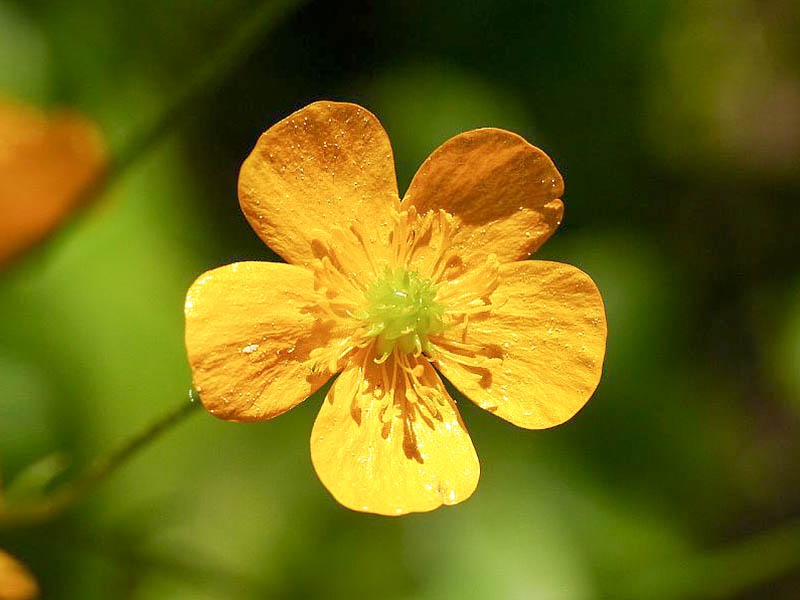
Ranunculus japonicus is a perennial herbaceous plant native to East Asia, including Korea, and grows over several years. Growth Characteristics: - Ranunculus japonicus thrives primarily in humid environments but can also grow in partial shade. - The leaves are nearly oval-shaped, and golden flowers bloom at the tips of the stems. - Flowers bloom mainly from spring to early summer. Propagation Methods: - It is primarily propagated by seeds, which sprout 2 to 3 weeks after planting. - It can also be propagated by root division in spring or autumn. Cultivation Methods: - Well-drained soil is required, and maintaining a certain level of humidity is important. - Avoid strong direct sunlight; a location in partial shade or receiving only morning sunlight is suitable. - It is advisable to provide some protection from the cold during winter. Garden Use: - Buttercup japonicus can be used as ground cover and is popular as an ornamental plant due to the colors of its flowers. - It blends harmoniously with gardens near water or in moist environments. Important Pests and Control Methods: - Common pests include powdery mildew and leaf mold. To prevent this, it is recommended to water regularly to lower humidity. - Aphids may occur; these can be controlled using soapy water or eco-friendly insecticides. - Ensure a well-ventilated environment and avoid overcrowding.
Plant Type
Plant Family
Ranunculaceae
Height
50~70cm
Spread
Colors
yellow
Bloom Period
June
Water Needs
commonly
Exposure
semi-shaded area
Freezing Resistance
-10°C
Water chestnut
Ranunculus kazusensis
Why buttercup
Ranunculus franchetii