English
한국어
English
Español
中文
हिंदी
Home
News
Community
Dictionary
English
한국어
English
Español
中文
हिंदी
View list
Minmaehwamareum
Ranunculus yezoensis
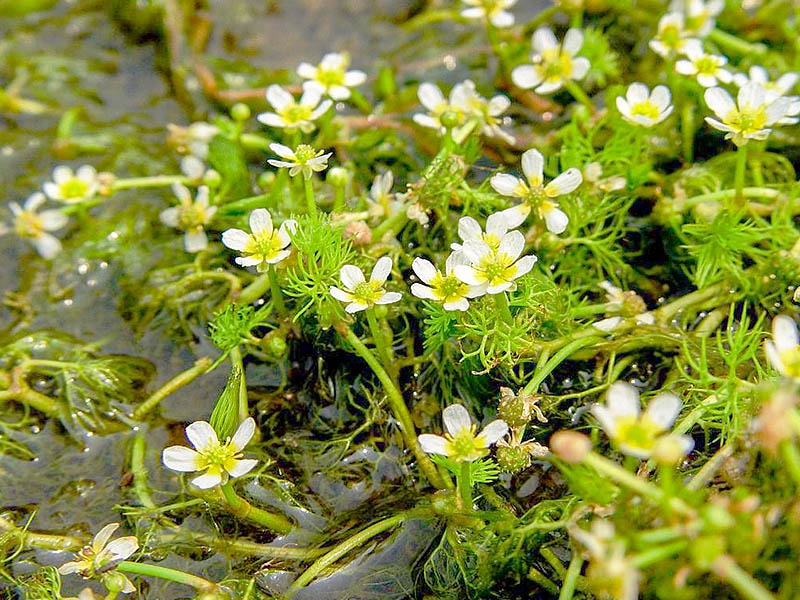
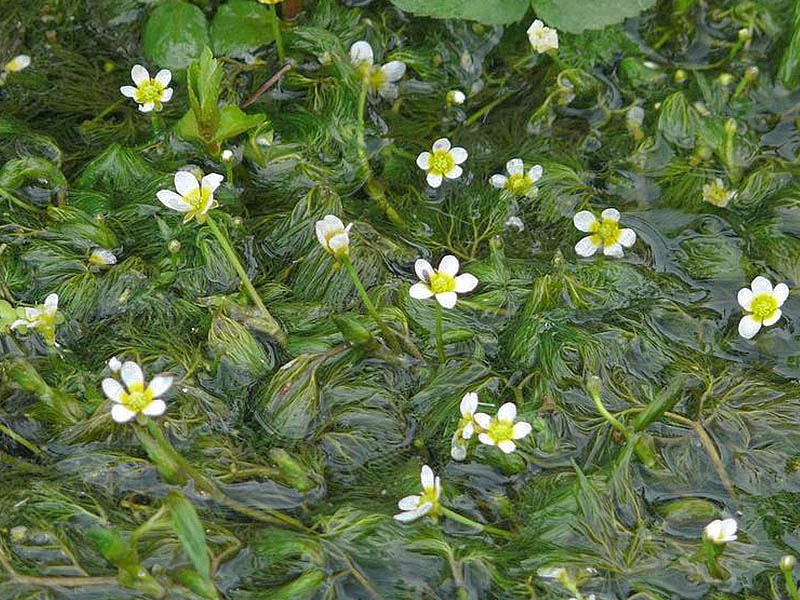
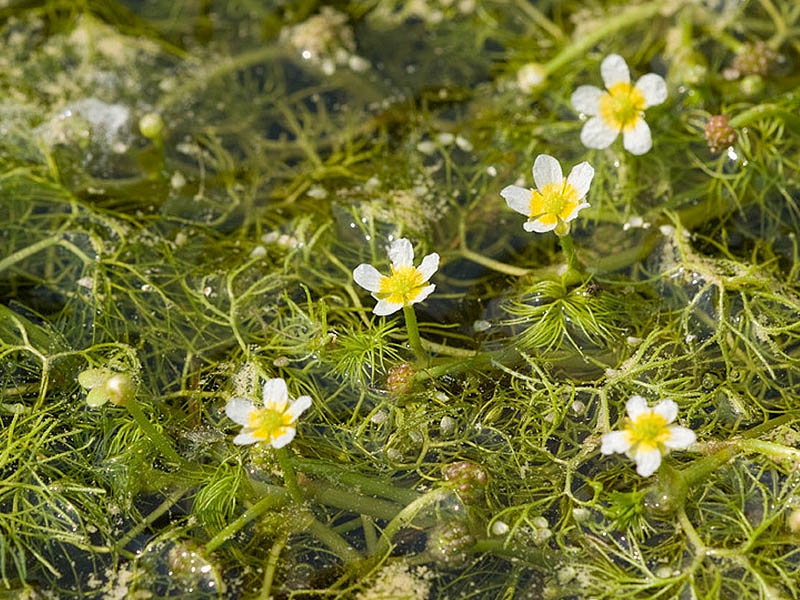
Growth Characteristics of Ranunculus yezoensis Ranunculus yezoensis is a perennial plant native to Northeast Asia, including Korea, and grows primarily in wetlands or near streams. It typically reaches a height of 20 to 50 cm, and its leaves are lance-shaped with pointed tips. The flowers are yellow, blooming from spring to early summer, and have a diameter of approximately 2 to 3 cm. Propagation Methods Ranunculus yezoensis is primarily propagated by seeds. Seeds form after the flowers have faded and can be collected in the autumn and sown immediately, or sown in the spring. To increase the germination rate, it is best to germinate them in a moist environment. Propagation is also possible through division. Cultivation Methods - Soil: It prefers a moist environment, so it thrives in well-drained soil rich in organic matter. - Watering: It must be watered sufficiently to prevent the soil from drying out, and extra care is required, especially during the summer. - Sunlight: It thrives in partial shade or full sun, and it is best to avoid overly shady areas. - Fertilizer: Applying a small amount of slow-release fertilizer in spring and autumn is beneficial. Uses in the Garden Trapa natans is suitable for creating wetland gardens or waterside landscapes. Its yellow flowers harmonize with surrounding plants, adding natural beauty. Additionally, planting it alongside other aquatic plants can enhance ecological diversity. Important Pests and Control Methods - Diseases: Since Trapa natans grows in humid environments, they are susceptible to fungal diseases. To prevent this, it is important to adjust planting spacing to ensure good ventilation and avoid excessive moisture. - Pests: Aphids or mites may occur; these can be controlled using natural insecticides or by washing them off with water. - General Control: To prevent pests and diseases, regularly inspect the plant's condition and take immediate action if any problems are discovered. Early detection is the most effective method of control. By properly utilizing these methods, you can cultivate water chestnuts healthily.
Plant Type
Plant Family
Ranunculaceae
Height
50cm
Spread
Colors
white
Bloom Period
April to May
Water Needs
commonly
Exposure
Sunny
Freezing Resistance
-15°C
Mountain parsley
Ranunculus acris var. nipponicus
Sulfur buttercup
Ranunculus sulphureus