English
한국어
English
Español
中文
हिंदी
Home
News
Community
Dictionary
English
한국어
English
Español
中文
हिंदी
View list
European buttercup
Ranunculus muricatus
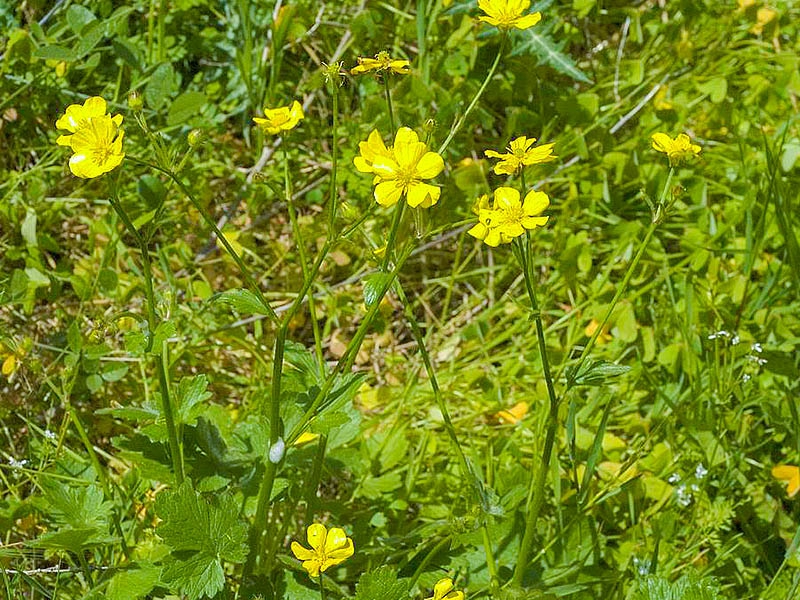
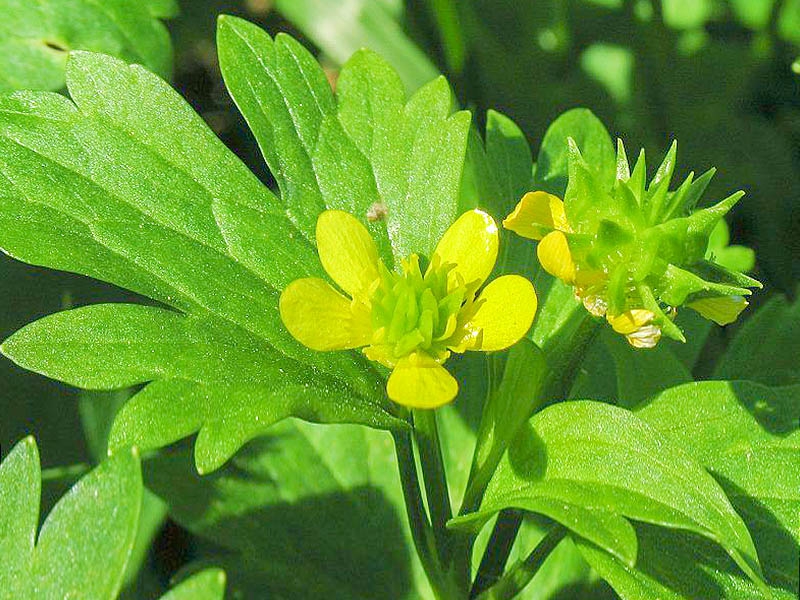
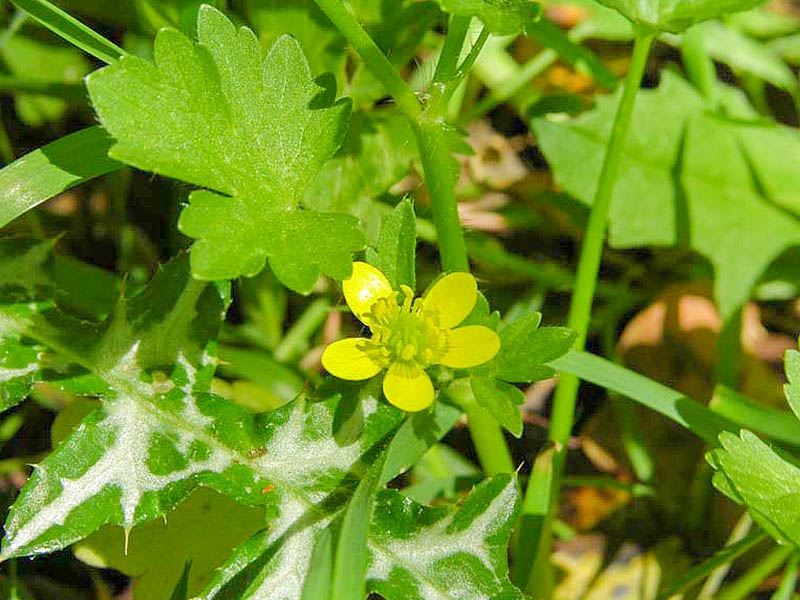
Ranunculus muricatus is a plant belonging to the Ranunculaceae family that thrives primarily in moist environments. The following describes the plant's growth characteristics, propagation methods, cultivation methods, garden uses, major pests and diseases, and control methods. Growth Characteristics - Environment: It prefers high humidity and grows well in well-drained soil. - Light: It grows well in partial shade, but direct sunlight should be avoided. - Temperature: It prefers a relatively cool climate; growth is better in mild spring and autumn than in hot summers. Propagation Methods - Seeds: Propagation is possible by seeds, and sowing in the spring is common. - Root Division: Propagation can also be done through root division; in this case, autumn or early spring is the optimal time. Cultivation Methods - It is best to plant in well-drained sandy soil. - Provide sufficient water, but care must be taken to avoid excessive moisture. - Applying appropriate liquid fertilizer during the growing season aids in growth. Uses in the Garden- It is primarily planted along the edges of flower beds or used in waterside gardens. - Its unique leaf shape and flowers can serve as a vibrant focal point in the garden. Important Pests and Control Methods- Diseases: It may be susceptible to fungal diseases; in such cases, proper ventilation and drainage management are required. - Pests: Pest problems such as aphids may occur; therefore, regular observation and the use of organic insecticides are necessary. European buttercup (Ranunculus mouricatus) is relatively easy to care for and is a useful plant for adding distinctive elements to the garden.
Plant Type
Plant Family
Ranunculaceae
Height
15~40cm
Spread
Colors
yellow
Bloom Period
May to July
Water Needs
commonly
Exposure
Sunny
Freezing Resistance
-10°C
Pygmyus
Ranunculus pygmaeus
Manchurian buttercup
Ranunculus grandis