English
한국어
English
Español
中文
हिंदी
Home
News
Community
Dictionary
English
한국어
English
Español
中文
हिंदी
View list
Musativus var. acantiformis
Raphanus sativus
var.
acanthiformis
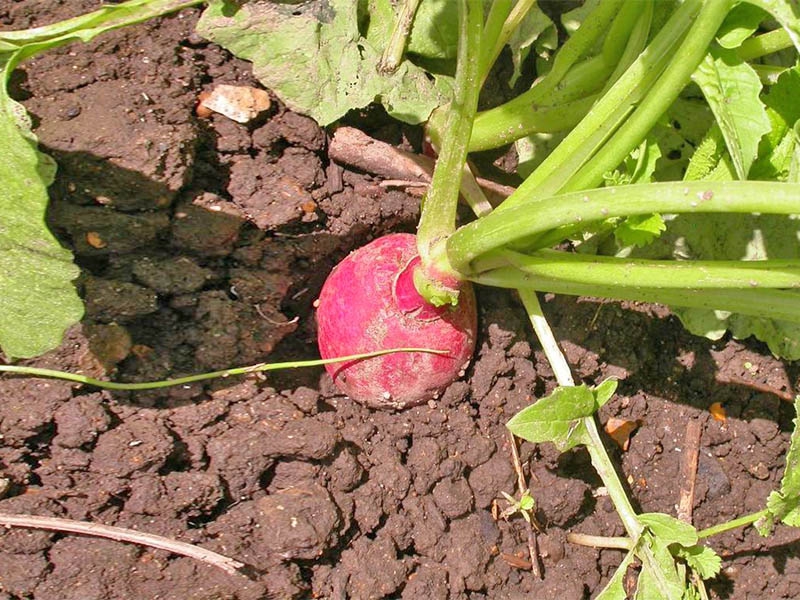
Raphanus sativus var. acanthiformis possesses growth characteristics similar to those of common radishes. The following is information regarding this variety's growth characteristics, propagation methods, cultivation methods, garden uses, and major pests and diseases and control methods. Growth Characteristics - Growth Habits: As a root vegetable, it forms large roots underground. The leaves grow in a rosette shape and are a vivid green color. - Growing Environment: Raphanus sativus var. acanthiformis thrives in sunny locations and prefers well-drained soil. The optimal soil pH is 6.0–7.0. - Temperature Conditions: It grows well in cool climates, with spring and autumn being particularly suitable seasons. Propagation Methods - Sowing: It is propagated by seeds. Seeds can be sown directly or seedlings can be grown and transplanted. The timing of sowing varies depending on regional temperatures, but it is generally done in spring or autumn. Cultivation Method - Soil Preparation: Before sowing, deeply till the soil and mix in plenty of organic matter. - Water Management: It is important to maintain consistent humidity while avoiding overwatering. Ensure good drainage. - Spacing: Leave adequate distance between seeds to allow the roots to grow sufficiently. Generally, sow at intervals of 5 to 10 cm. Uses in the Garden - This variety is primarily used for food; both the roots and leaves can be used as vegetables. It can be interplanted with other plants in the garden, and its green leaves are beautiful to look at, making it suitable for ornamental purposes. Major Pests and Diseases and Control Methods - Diseases: It is susceptible to diseases when soft, and soft rot and wilt may occur. To prevent diseases, ensure good drainage and ventilation. - Pests: Major pests include aphids and turnip moths. To prevent such pest damage, appropriate pesticides are used, and natural control methods include utilizing natural enemies or plant extracts. Mussativus var. acantiformis is relatively easy to manage, but paying attention to the growing environment can lead to a healthier and higher-quality harvest.
Plant Type
Plant Family
Cruciferae
Height
60~90cm
Spread
Colors
purple, white
Bloom Period
April to June
Water Needs
commonly
Exposure
Sunny
Freezing Resistance
-10°C
Sea radish sativus var. hortensis f. acantiformis
Raphanus sativus var. hortensis f. acanthiformis
radish
Raphanus sativus