English
한국어
English
Español
中文
हिंदी
Home
News
Community
Dictionary
English
한국어
English
Español
中文
हिंदी
View list
radish
Raphanus sativus
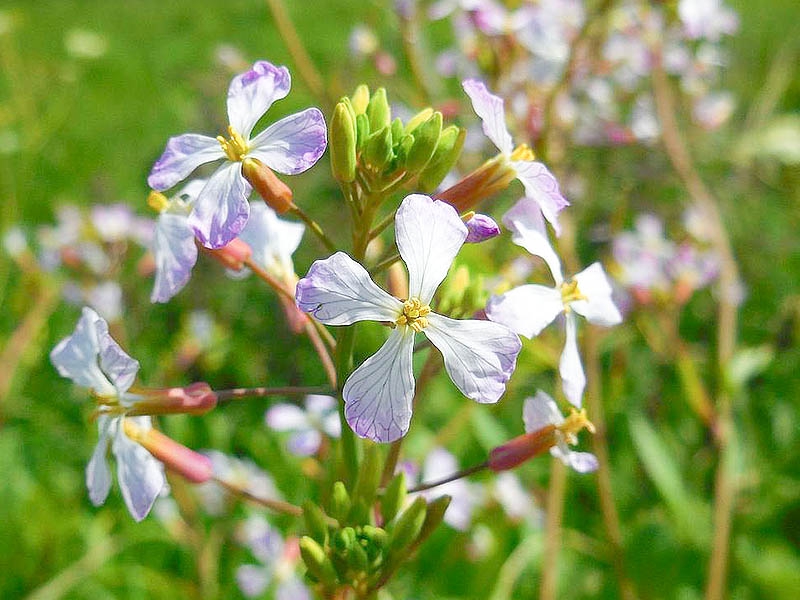
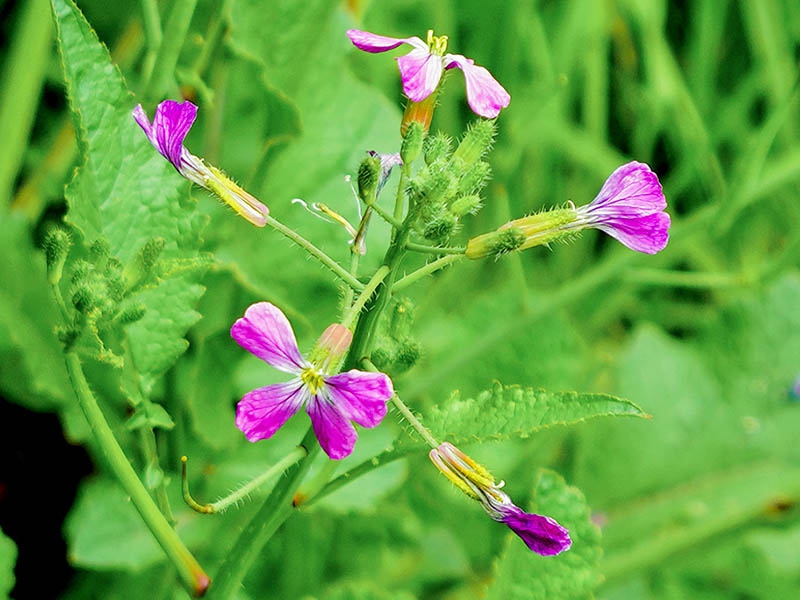
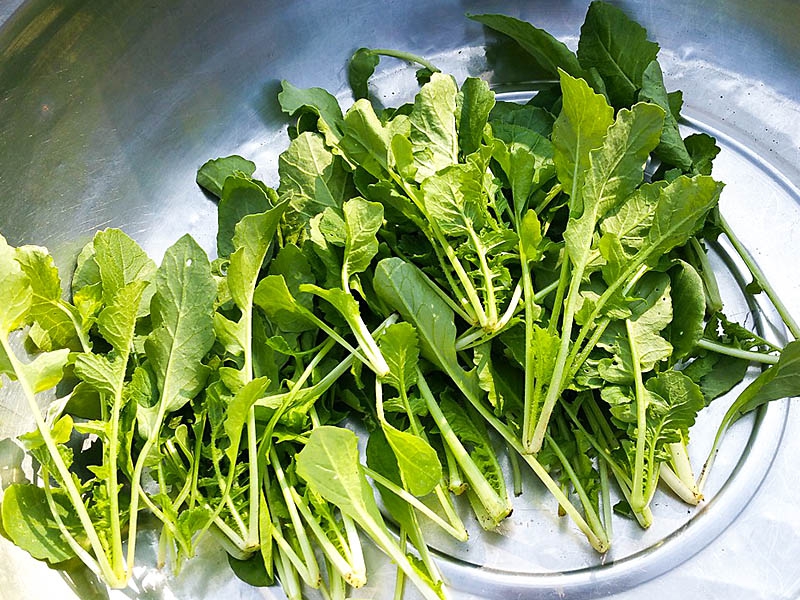
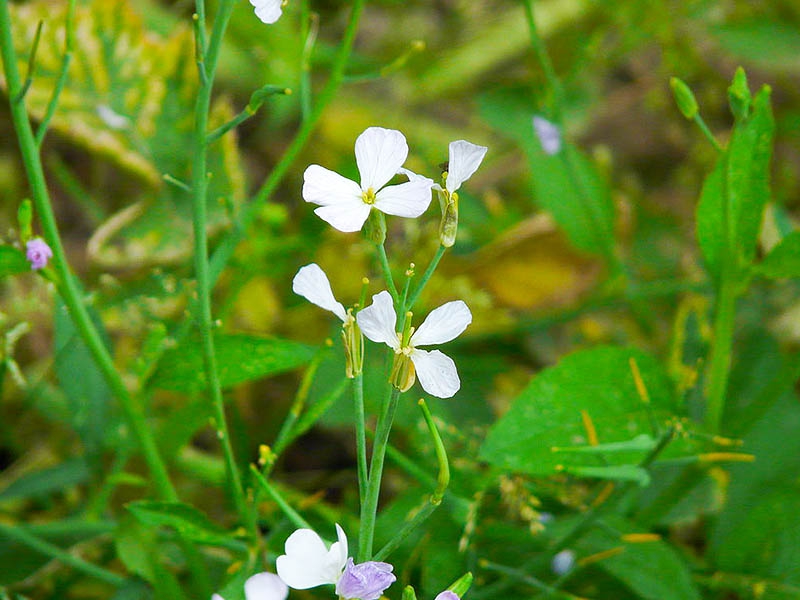
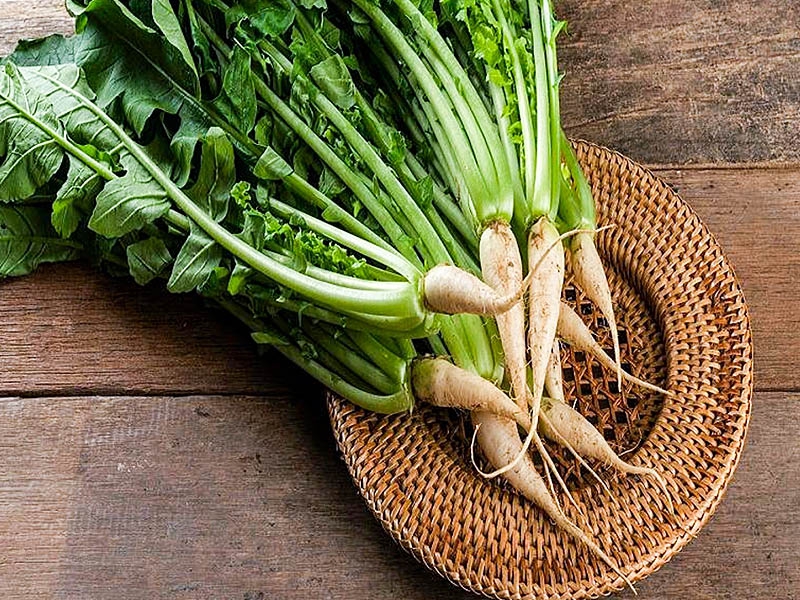
I will explain the growth characteristics, propagation methods, cultivation methods, garden uses, and major pests and control methods for Raphanus sativus, the plant commonly known as the radish. Growth Characteristics: Radishes belong to the Brassicaceae family and thrive primarily in cool climates. As a root vegetable, the main part of the radish grows underground, while the leaves and stems form above ground. Radishes grow rapidly, and it takes approximately 20 to 70 days for the roots to develop. Propagation Methods: Radishes are primarily propagated by seeds. The seeds are relatively small and germinate well in cool places away from direct sunlight. Seeds should be planted during the season when the ground is not frozen. Cultivation Methods: Radishes grow well in well-drained soil. Plant seeds at a depth of about 1 to 2 cm, maintaining spacing of approximately 30 cm between rows and 5 cm between seeds. As the radish grows, the roots may become exposed to the surface; in this case, cover them with soil. Provide sufficient moisture to the plant, but avoid overwatering. Uses in the Garden: Radishes are primarily grown in gardens for food. Young leaves can be used in salads, while the roots can be used in various dishes. Additionally, growing radishes alongside other crops can be useful for improving soil quality or preventing pests and diseases. Important Pests and Control Methods: - Radish Leaf Beetle: Creates holes in the leaves and inhibits plant growth. They are usually removed by hand, or natural pesticides are used if necessary. - Radish Mite: Primarily damages the leaves and roots. Control them by avoiding dry environments and providing sufficient water. - Fungal Diseases (Powdery Mildew, Gray Mold, etc.): Create an environment with good ventilation and drainage, and use fungicides effective against fungal diseases if detected early. Radishes are relatively easy to care for; they can be grown healthily by creating a healthy environment to prevent pests and diseases in advance and providing consistent care.
Plant Type
Plant Family
Cruciferae
Height
90cm
Spread
Colors
white, purple
Bloom Period
April to May
Water Needs
commonly
Exposure
semi-shaded area
Freezing Resistance
-2°C
Musativus var. acantiformis
Raphanus sativus var. acanthiformis
Western radish
Raphanus raphanistrum