English
한국어
English
Español
中文
हिंदी
Home
News
Community
Dictionary
English
한국어
English
Español
中文
हिंदी
View list
Western radish
Raphanus raphanistrum
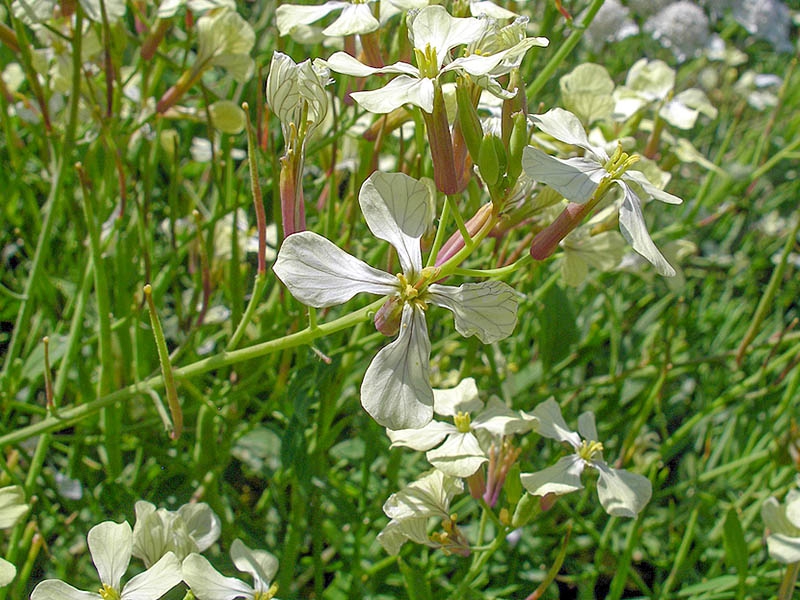
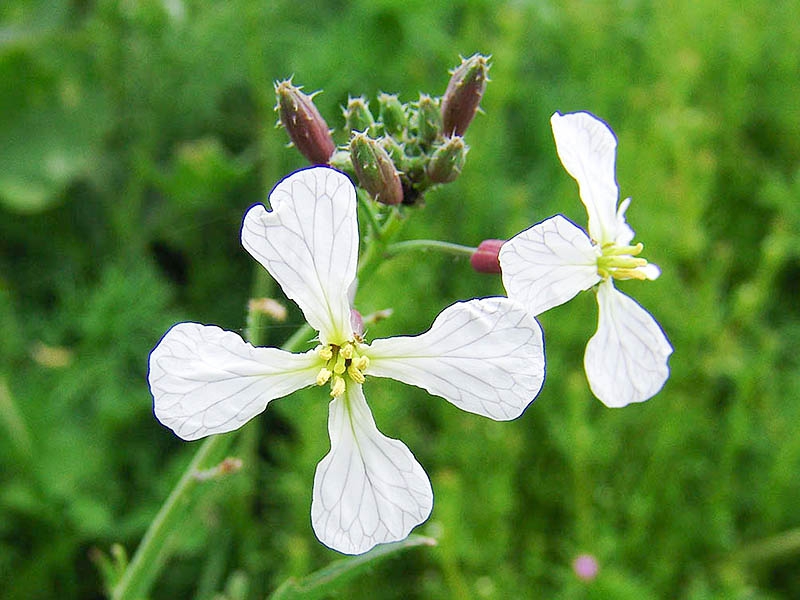
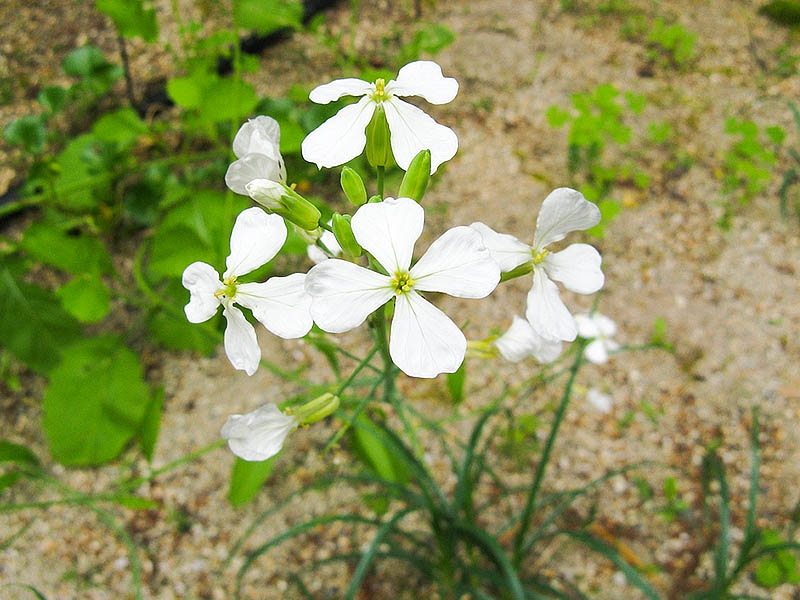
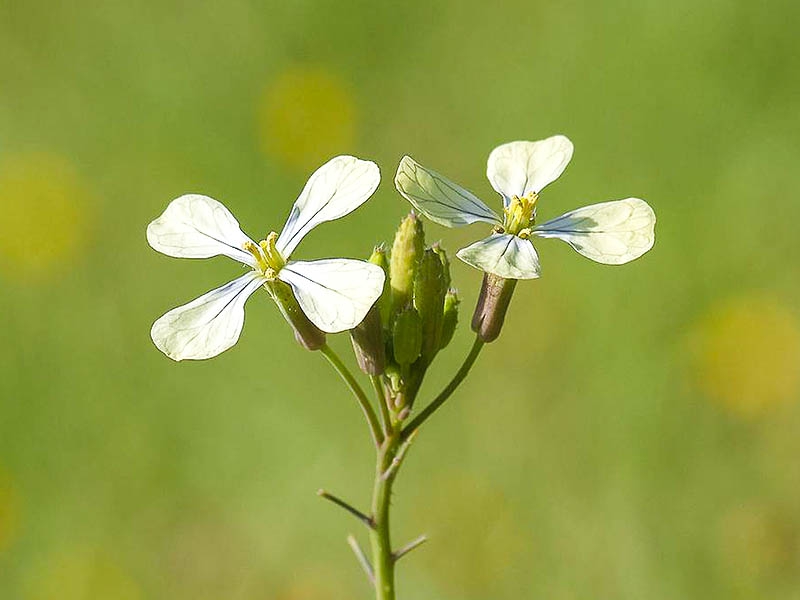
Raphanus raphanistrum is a plant of the Brassicaceae family native to Asia and Europe, commonly considered a weed. I will explain the plant's main growth characteristics, propagation methods, cultivation methods, garden uses, major pests and diseases, and control methods. Growth Characteristics - Growing Environment: Raphanus raphanistrum grows well in sunny locations as well as in partial shade, and can thrive in various types of soil. It grows particularly well in well-drained soil. - Appearance: It typically grows to a height of 30 to 60 cm. The stems are highly branched, and the leaves are feathery and glossy. The entire plant is covered in hairs, giving the stems a soft texture. Propagation Methods - Seed Propagation: It is primarily propagated by seeds, which germinate in the spring. The seeds germinate relatively easily and can be sown directly onto the soil. - Germination Conditions: The optimal temperature for germination is between 20 and 25 degrees Celsius, and it grows well in environments with some light. Cultivation Methods - Sowing Time: Sowing is usually done in the spring, with the period after the first frost being appropriate. - Watering: Water sparingly, but ensure the soil does not become too dry. - Nutrient Management: Since it is not a plant with significant characteristics, special nutrient management is not required. It is sufficient to maintain soil nutrition by applying basic plant fertilizer. Uses in Gardens The Western White-tailed Cress is resilient and easy to care for, making it suitable for gardens that provide a natural feel. It is primarily used in meadows, nature gardens, and ecological gardens designed to attract butterflies and bees. Important Pests and Control Methods - Diseases: While there are no particularly serious diseases, fungi may grow in humid environments. - Pests: Common pests include cabbage white butterflies and aphids. These pests are controlled through periodic observation and the use of appropriate insecticides when necessary. - Control Methods: If organic control is preferred, using natural insecticides or natural predators is an environmentally friendly approach. This plant is easy to care for and hardy, making it useful for creating a natural and simple-to-maintain garden. Overall, it grows well without special care as long as the soil and drainage conditions are properly managed.
Plant Type
Plant Family
Cruciferae
Height
20~70cm
Spread
Colors
white, yellow
Bloom Period
May~June
Water Needs
commonly
Exposure
semi-shaded area
Freezing Resistance
-10°C
radish
Raphanus sativus
Rapidopora Decursiva
Raphidophora decursiva