English
한국어
English
Español
中文
हिंदी
Home
News
Community
Dictionary
English
한국어
English
Español
中文
हिंदी
View list
Rehmannia glutinosa
Rehmannia glutinosa
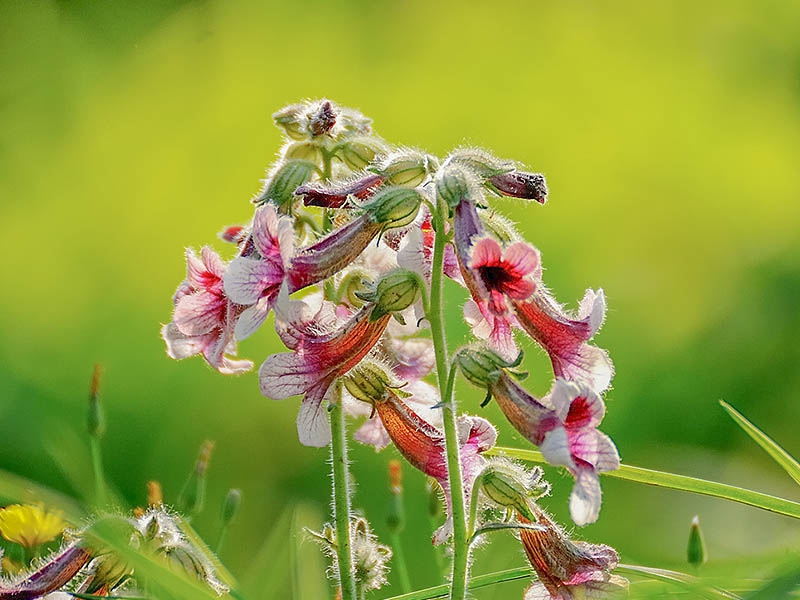
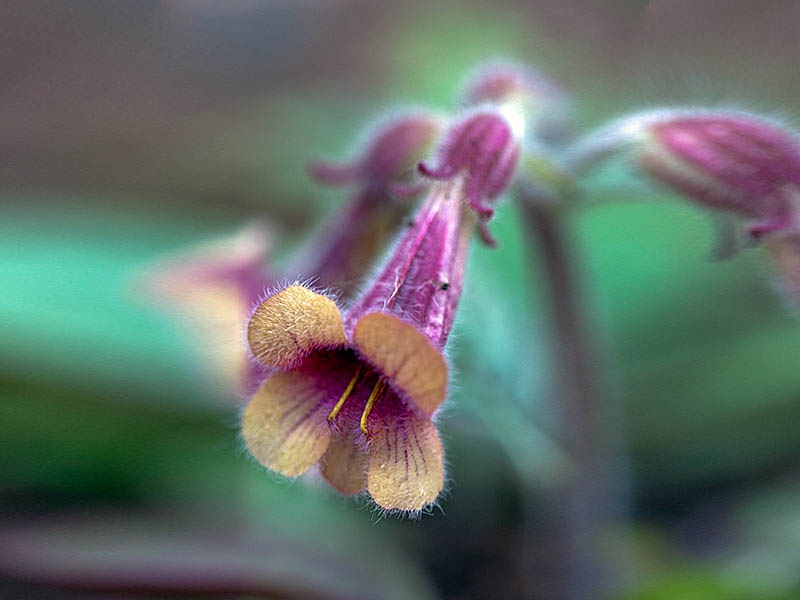
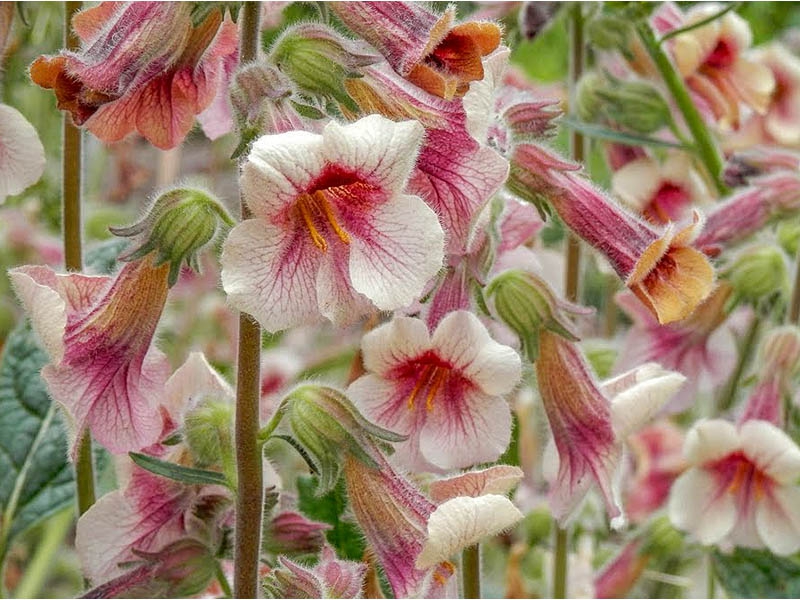
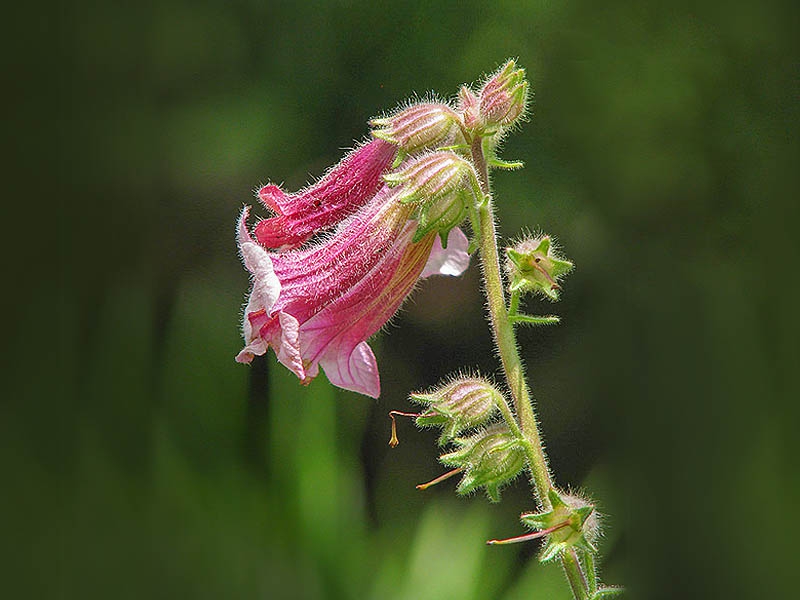
Rehmannia glutinosa is a perennial plant primarily used for medicinal purposes. The following outlines the main growth characteristics, propagation methods, cultivation methods, garden uses, major pests and diseases, and control methods. Growth Characteristics - Ecology: This plant grows mainly in temperate regions and prefers moist soil and sunny locations. - Characteristics: The roots develop into thick tubers, and the leaves grow in clusters in an oval shape. Propagation Methods - Seed Propagation: Sow seeds in spring or autumn, maintaining appropriate temperature and humidity to induce germination. - Root Propagation: Propagation by dividing tubers is also used. Cultivation Methods - Soil: Select fertile, well-drained soil. - Water Management: Water periodically to prevent dryness, but avoid overwatering. - Fertilizer: Use organic fertilizers to supply nutrients during the growing season. Garden Uses - It can be utilized not only for medicinal purposes but also as a ground cover plant. - Its beautiful flowers make it suitable for ornamental purposes. Major Pests and Diseases and Control Methods - Diseases: Leaf blight or root rot may occur. Pay attention to ventilation and drainage, and promptly remove any diseased parts. - Pests: Aphids or spiders may appear, so it is recommended to use appropriate insecticides if necessary. Rehmannia glutinosa is a useful plant that can be cultivated for various purposes and in various ways. Since it can be sensitive to environmental changes, it is important to maintain appropriate environmental conditions.
Plant Type
Plant Family
Scrophulariaceae
Height
20~30cm
Spread
Colors
red
Bloom Period
June~July
Water Needs
commonly
Exposure
semi-shaded area
Freezing Resistance
-10°C
Rebutia Arenacea
Rebutia arenacea
Gojihwang
Rehmannia elata