English
한국어
English
Español
中文
हिंदी
Home
News
Community
Dictionary
English
한국어
English
Español
中文
हिंदी
View list
hairy buckthorn
Rhamnus koraiensis
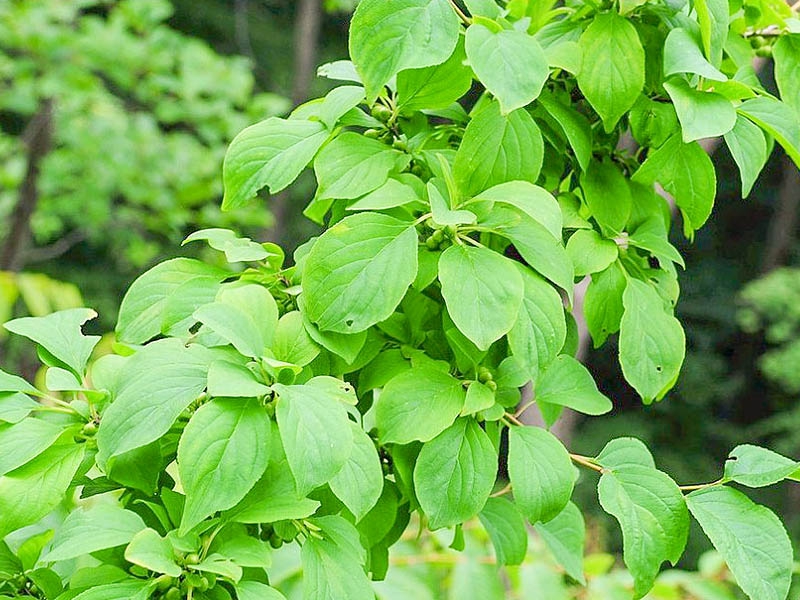
Rhamnus koraiensis is a shrub native to Korea, growing primarily in mountainous areas. The following is information regarding the tree's growth characteristics, propagation methods, cultivation methods, garden uses, and major pests and diseases, as well as control methods. Growth Characteristics - Size: Rhamnus koraiensis typically grows to a height of 2 to 3 meters. Its branches are soft and hairy. - Leaves: The leaves are ovate or elliptical with serrated edges and hairs on the undersides. - Flowers: This tree produces small yellow flowers, which can be seen in the summer. - Fruit: In autumn, it bears fruit that changes from red to black, serving as an important food source for wildlife. - Environment: It prefers sunlight and thrives in well-drained soil. It is adaptable to both acidic and neutral soils. Propagation Methods - Seed Propagation: Seeds are obtained from fruits harvested in the autumn and planted the following spring. The germination rate is relatively high, but it may not be very high in natural conditions. - Cuttings: It can be propagated by taking cuttings from branches cut during the summer. Cultivation Methods - Soil: It thrives in well-drained, nutrient-rich soil. Improve the soil by adding compost if necessary. - Watering: Provide sufficient water initially to help the roots establish themselves. Afterward, additional watering is sufficient only during dry periods. - Pruning: Pruning should be done in early spring to promote new growth. Uses in the Garden - The Japanese buckthorn is suitable for ornamental garden use due to its beautiful leaves and fruit. It attracts attention particularly in autumn for its colorful berries. - It can be used as a hedge or boundary plant and provides food and habitat for wildlife. Important Pests and Control Methods - Diseases: The Japanese buckthorn is generally resistant to diseases, but leaf mold can occur in severe cases. To prevent this, ensure good soil aeration and use fungicides if necessary. - Pests: Aphids or other small insects can cause problems. In the early stages, control them by washing them off with water or using natural insecticides. As such, the hairy buckthorn (Choraiensis) is an attractive plant that is easy to care for and can be easily incorporated into home gardens.
Plant Type
Plant Family
Rhamnaceae
Height
2m
Spread
Colors
green
Bloom Period
May to June
Water Needs
commonly
Exposure
Sunny
Freezing Resistance
-30°C
Stone buckthorn
Rhamnus parvifolia
Korean buckthorn
Rhamnus diamantiaca