English
한국어
English
Español
中文
हिंदी
Home
News
Community
Dictionary
English
한국어
English
Español
中文
हिंदी
View list
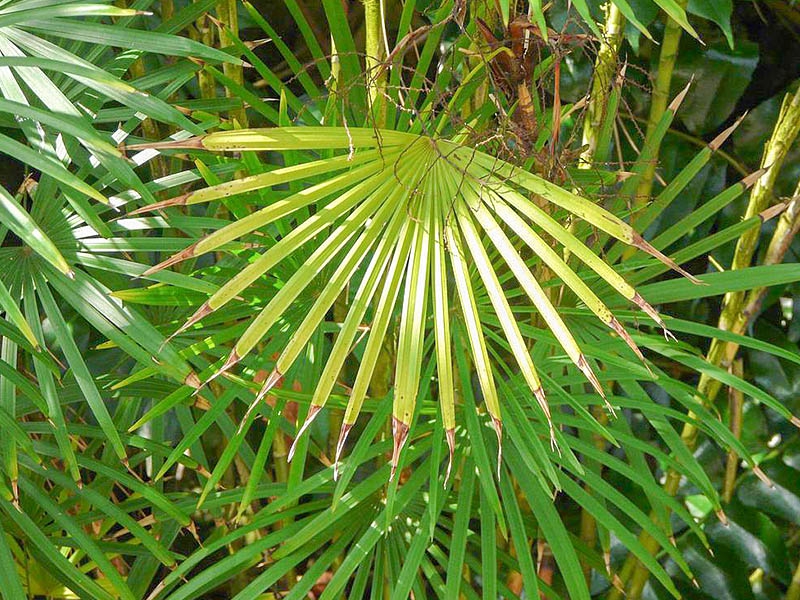
Dwarf palm bloom
Rhapis multifida
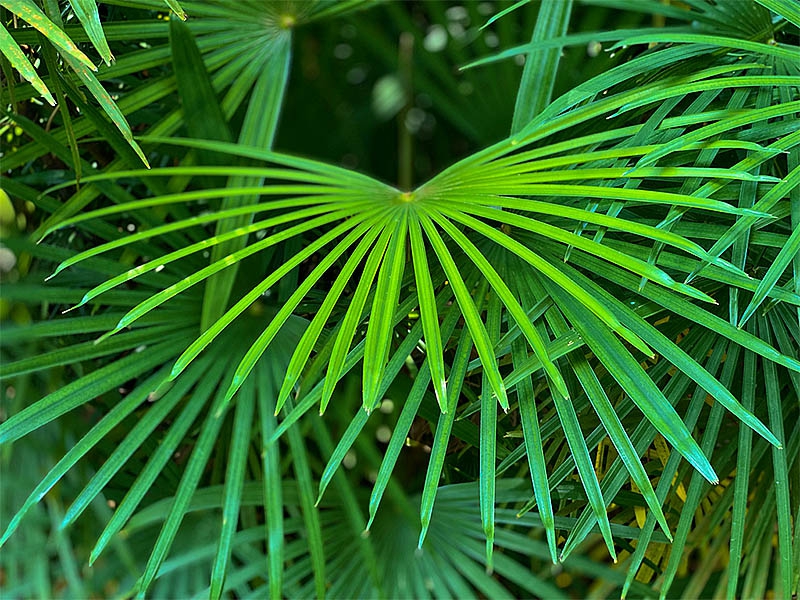
Rhapis multifida is a widely used ornamental plant with the following growth characteristics and cultivation methods. Growth Characteristics - Height: Generally grows to 1 to 2 meters in height and forms a dense cluster. - Leaves: The leaves are fan-shaped and feature long, slender lobes. - Environment: It thrives in partial shade, and direct sunlight should be avoided. It grows well within a temperature range of approximately 10 to 25 degrees Celsius. Propagation Methods - Division: Propagation is primarily done by separating offsets that grow from the mother plant. - Seeds: Propagation by seeds is possible, but the germination rate is low and it takes a long time. Cultivation Methods - Soil: It must be planted in well-draining soil. Generally, when growing in pots, it is important to establish a good drainage layer. - Watering: Water when the soil dries out, and avoid overwatering. - Fertilizer: It is best to fertilize in spring and summer, but it is advisable not to fertilize in winter. Uses in the Garden - Due to its small size and beautiful leaves, the Dwarf Palm (Water Typhida) is suitable for planting in indoor pots, on balconies, or in shady areas of the garden. Important Pests and Control Methods - Pests: Scale insects and aphids may occur. - Control Methods: Wipe the leaves regularly. You can use appropriate pesticides or natural insecticides as needed. It is crucial to absolutely avoid overwatering and ensure good ventilation. This plant is relatively easy to care for and grows well in various environments. Please refer to the information above to grow a healthy Dwarf Palm (Water Typhida).
Plant Type
Plant Family
Palm family
Height
150cm
Spread
100cm
Colors
yellow
Bloom Period
June to August
Water Needs
commonly
Exposure
semi-shaded area
Freezing Resistance
-5°C
Gwaneumjuk
Rhapis excelsa
Patterned Kannon Bamboo 'Variegata'
Rhapis excelsa 'Variegata'