English
한국어
English
Español
中文
हिंदी
Home
News
Community
Dictionary
English
한국어
English
Español
中文
हिंदी
View list
eggplant
Rhodiola ramosa
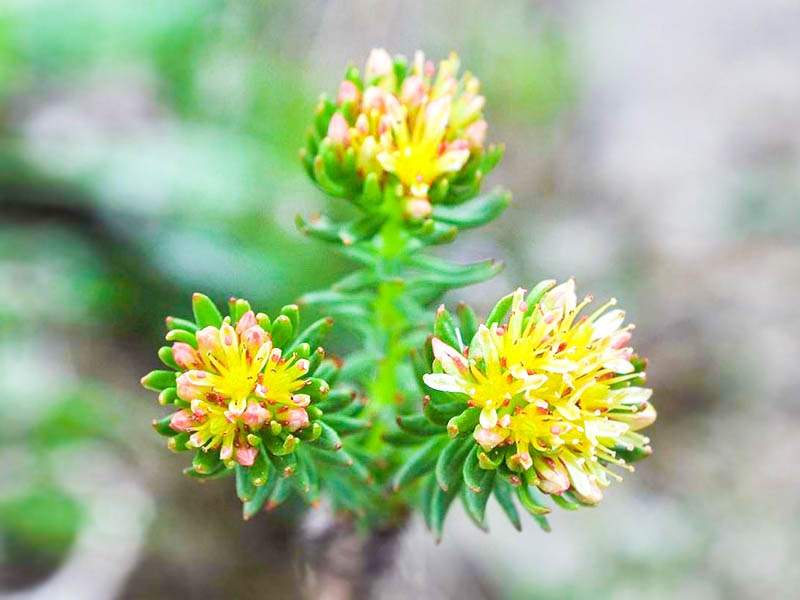
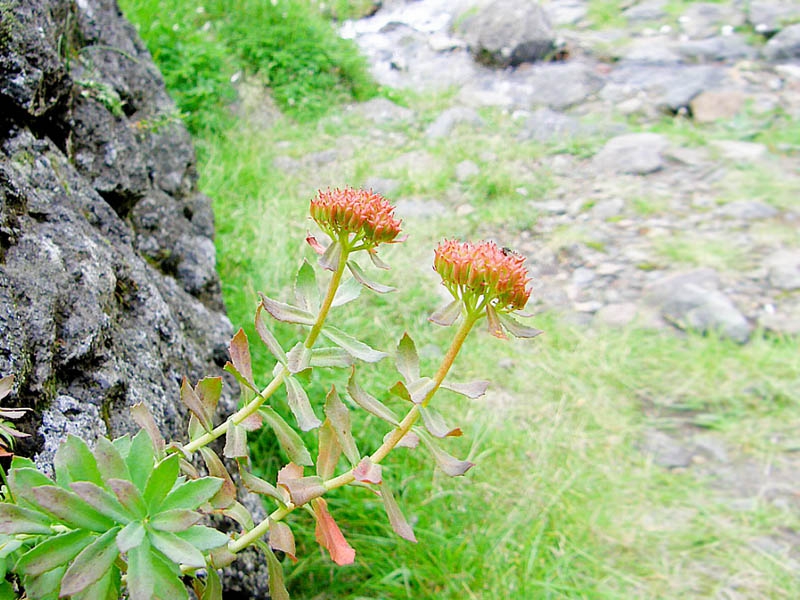
Rhodiola ramosa #Growth Characteristics Rhodiola ramosa is a perennial plant found primarily in alpine regions that thrives even in extreme environments. Its roots are thick and fleshy, and its leaves and stems are also composed of flesh, allowing it to effectively store water. This plant grows well in environments between 2,500 and 4,500 meters above sea level and prefers sunny locations. #Propagation Methods Rhodiola ramosa is primarily propagated by seeds. Seeds are sown in the spring and require cold temperatures to germinate. Propagation is also possible via root division. This is usually performed in the spring or autumn when growth is vigorous. #Cultivation Methods Rhodiola prefers well-drained soil, and it is important to avoid excessive moisture. When cultivating, it must provide sufficient sunlight and be planted at appropriate intervals. It is suitable for growing in pots or along garden borders and grows well in cold regions. #Uses in the Garden In the garden, Stonecrop Ramosa is popular as an ornamental plant due to its unique appearance and ease of care. It is particularly well-suited for rock gardens or dry areas. Its small, tapering flowers add a distinctive charm to the garden. #Important Pests and Control Methods Stonecrop Ramosa does not suffer from many pests or diseases, but root rot can occur if the soil is overwatered. To prevent this, well-drained soil and proper watering are required. Leaf beetles may occasionally appear, and eco-friendly control methods include using soapy water or mustard extract. It is important to prevent pests and diseases through regular observation and environmental management.
Plant Type
Plant Family
Stonecrop family
Height
5~6cm
Spread
Colors
red, yellow
Bloom Period
July~August
Water Needs
commonly
Exposure
Sunny
Freezing Resistance
-30°C
Rosea
Rhodiola
Stone flower
Rhodiola elongata