English
한국어
English
Español
中文
हिंदी
Home
News
Community
Dictionary
English
한국어
English
Español
中文
हिंदी
View list
hairy rhododendron
Rhododendron mucronulatum
var.
ciliatum
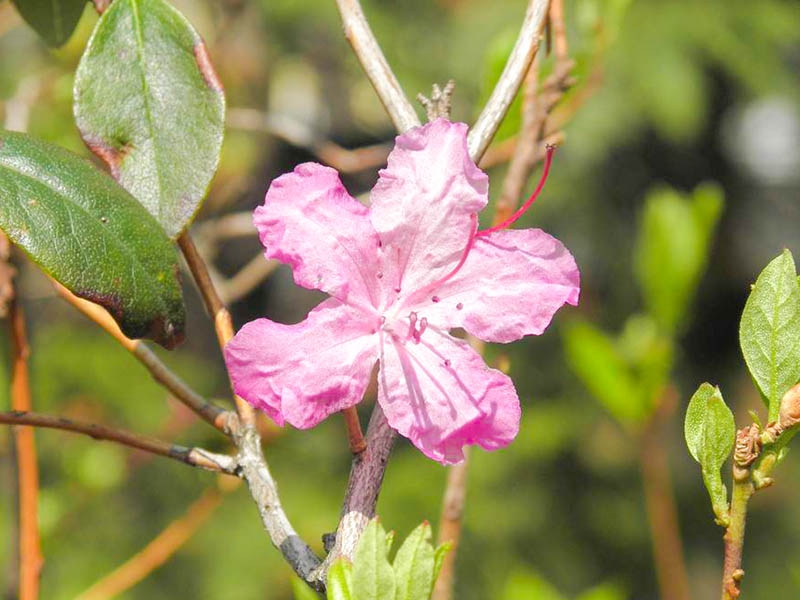
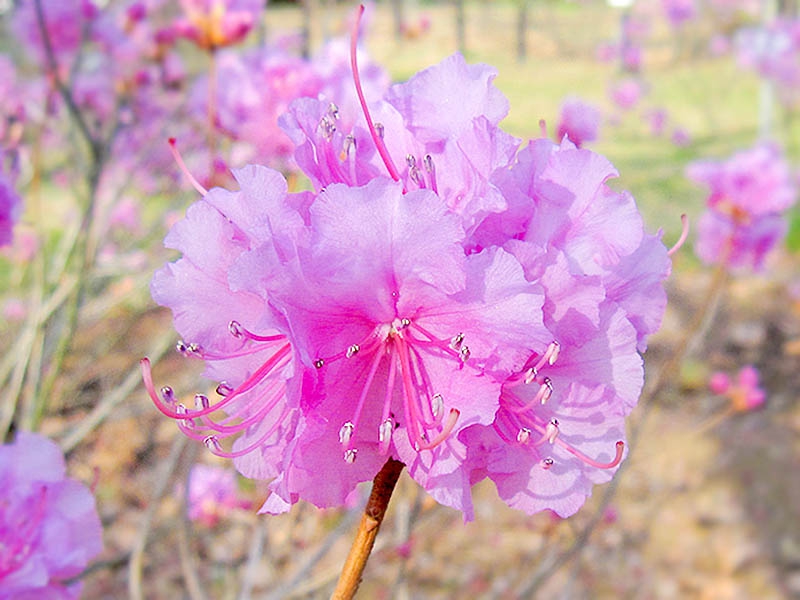
I will explain the growth characteristics, propagation methods, cultivation methods, garden uses, major pests and diseases, and control methods for Rhododendron mucronulatum var. ciliatum. Growth Characteristics Rhododendron mucronulatum is a deciduous shrub native to East Asia, including Korea, China, and Japan. It blooms with pale pink flowers in the spring and generally prefers moderate moisture and sunlight. It possesses a certain degree of cold tolerance even in winter, allowing it to thrive in various climatic conditions. Propagation Methods - Seed Propagation: Collect mature seeds and sow them immediately, or store them in the refrigerator during the winter and sow them in early spring. - Cuttings: Cut healthy branches in the summer and plant them in non-sticky soil to encourage rooting. - Grafting: To maintain specific varieties, propagation can be performed via grafting. Cultivation Methods Rhododendron mucronulatum thrives in well-drained, slightly acidic soil. Water regularly, paying particular attention to water supply during dry periods. After spring, apply a small amount of compound fertilizer to replenish nutrients. Covering the surrounding area with straw or leaves after planting can suppress weeds and reduce moisture evaporation. Uses in the Garden Rhododendron yedoense var. poukhanense is very useful for adding spring colors to the garden. It is popular for hedges and border planting, and can create a spectacular garden when combined with other spring flowers. Major Pests and Control Methods - Powdery Mildew: Maintain a well-ventilated environment and plant at appropriate intervals to reduce disease occurrence. If infected, use an appropriate fungicide. - Aphids: If detected early, remove them by spraying water vigorously or using an insecticide. - Spider Mites: Regularly inspect the undersides of leaves, and use an appropriate insecticide if symptoms appear. Since they are prone to occurring in dry environments, proper humidity management is important. Rhododendron yedoense var. poukhanense is relatively easy to care for, but adhering to basic care guidelines will help maintain an even more beautiful and healthy appearance.
Plant Type
Plant Family
Rhododendron family
Height
2~3m
Spread
Colors
purple, pink
Bloom Period
May~June
Water Needs
commonly
Exposure
semi-shaded area
Freezing Resistance
-30°C
small daisy
Rhododendron redowskianum
azalea
Rhododendron mucronulatum